
How to Choose the Right Auger Filler Packing Machine for Your Business: A 2026 Practical Guide
In 2026, industries spanning food, pharmaceuticals, chemicals, and cosmetics face a growing need for dry product packaging that’s precise, efficient, and budget-conscious. A standout solution for measuring and dispensing free-flowing to semi-free-flowing powders, granules, and pastes is the auger filler packing machine. This equipment relies on a rotating screw to deliver high-accuracy doses, but navigating its vast array of models, configurations, and features can feel daunting. Below is a practical framework to streamline your decision-making and secure an investment tailored to your business goals.
—
## 1. Define Your Product Specifications
Product characteristics directly shape auger filler compatibility and performance, so clearly outline these details before exploring options.
### Product Type: Free-Flowing, Semi-Free-Flowing, or Paste?
Auger design and rotation speed are optimized for specific consistencies. Free-flowing items like sugar, flour, and coffee beans work best with standard flighted augers set to moderate speeds to prevent overflow. Semi-free-flowing products such as cake mixes, spices, and protein powders may clump, requiring specialized anti-clumping augers or variable speed controls. For thick pastes like peanut butter, frosting, or cream cheese, prioritize heavy-duty stainless steel screws paired with positive displacement systems to ensure consistent dosing.
### Particle Size and Bulk Density
Auger diameter, pitch, and rotation rate must align with particle properties to avoid bridging or inconsistent fills. Fine particles (under 1mm) generate static electricity and bridge in hoppers, causing jams and underfills; machines with static elimination systems and vibratory hoppers address these issues. Coarser materials (1–10mm) need wider auger flights and slower speeds to prevent damage. Bulk density (grams per cubic centimeter) also impacts dosing: high-density salt requires shorter screw rotations than low-density cocoa powder.
### Hygiene and Regulatory Requirements
Food, pharmaceutical, and cosmetic packaging demand strict compliance with standards like FDA (U.S.), CE (EU), or GMP (pharmaceutical). Look for models with all-stainless-steel contact parts, smooth, crevice-free surfaces for easy cleaning, and an IP rating of at least IP65 to resist water and dust. Some machines offer CIP (Clean-in-Place) or SIP (Sterilize-in-Place) systems to streamline maintenance and reduce downtime.
—
## 2. Determine Your Production Requirements
Production volume, fill rate, and packaging format dictate the size, speed, and automation level of the auger filler you need.
### Production Volume (Daily/Monthly Output)
Low-volume operations (under 1,000 units per day) benefit from manual or semi-automatic auger fillers—these are compact, affordable, and easy to operate but require manual container handling. Medium-volume businesses (1,000–10,000 units per day) should consider semi-automatic or fully automatic models with conveyor systems for container transport. High-volume facilities (over 10,000 units per day) need heavy-duty, fully automatic machines with multi-head augers, high-speed conveyors, and integration with upstream/downstream equipment like sealers and labelers.
### Fill Rate and Accuracy
Balance speed and precision based on product value and regulations. High-value items like pharmaceuticals or specialty spices require ±0.1% to ±0.5% accuracy, while low-cost products like flour or sugar can tolerate ±1% to ±2% accuracy with faster fill rates (up to 100 containers per minute, CPM). Advanced 2026 auger fillers use load cells or optical sensors for real-time weight feedback and automatic screw adjustments, ensuring consistency even at high speeds.
### Packaging Container Type and Size
The machine’s discharge spout dimensions and conveyor system must fit your containers. For flexible packaging like stand-up pouches or sachets, look for pneumatic/mechanical container holders and adjustable spouts. For rigid containers like glass jars or plastic bottles, verify conveyor and discharge chute compatibility with container diameters and heights. Quick-change tooling is ideal for businesses with multiple product lines, allowing size switches in minutes.
—
## 3. Evaluate Key Machine Features and Components
When comparing models, prioritize features and components that enhance reliability and ease of use.
### Material Construction and Durability
High-quality, durable materials reduce maintenance costs and extend lifespan. In addition to stainless steel contact parts, check for frames and non-contact components made of aluminum or powder-coated steel. Avoid plastic parts that degrade over time from friction, temperature changes, or cleaning chemicals.
### Control System and User Interface
Modern 2026 auger fillers include touchscreen HMI systems for setting fill parameters, adjusting speeds, and monitoring production data in real time. Look for PLCs that store multiple product recipes to minimize errors during switches. Data logging and connectivity features (Ethernet, Wi-Fi, USB) allow integration with ERP or inventory management systems.
### Safety Features
Comprehensive safety measures protect operators and equipment. Ensure the machine has emergency stop buttons, interlocks that halt operation if the hopper or chute is open, and motor overload protection. High-speed models should include guarding around moving parts to prevent accidental contact.
—
## 4. Consider Total Cost of Ownership (TCO)
While initial purchase price matters, TCO over the machine’s lifespan provides a more accurate value metric.
### Initial Purchase Price
Prices vary widely by capacity, automation level, and features. Manual machines start around $5,000, semi-automatic models range from $15,000 to $50,000, and fully automatic high-volume systems cost $100,000 or more. Avoid extremely low-priced machines—they often use inferior materials, lack key features, or require frequent repairs.
### Maintenance and Operating Costs
Factor in routine maintenance (lubrication, cleaning, calibration), energy consumption (electricity, air pressure for pneumatic models), and replacement parts (augers, seals, bearings). Machines with easy-access components and quick-change tooling reduce labor time. Energy-efficient motors and drives lower long-term electricity bills.
### Warranty and Technical Support
Choose a manufacturer with a minimum 1-year parts and labor warranty, plus optional extended coverage. Ensure they offer responsive technical support via phone, email, or remote access. On-site training for operators and maintenance staff maximizes machine performance.
—
## 5. Test the Machine with Your Product
Hands-on testing confirms the machine meets your specific performance and compatibility needs. Request a product test from the manufacturer or supplier: bring your product and packaging to their facility, or ask for on-site testing. During the test, evaluate fill accuracy, speed, ease of use, and compatibility with your materials and containers. Note any issues like clumping, bridging, or inconsistent fills, and discuss solutions with the manufacturer.
—
Selecting the right auger filler packing machine in 2026 requires careful assessment of product specifications, production requirements, key features, and total cost of ownership. By following this guide, you’ll identify a machine that boosts efficiency, cuts costs, and ensures regulatory compliance. A well-chosen auger filler is an investment that delivers long-term business benefits.
Total Word Count: 987


-
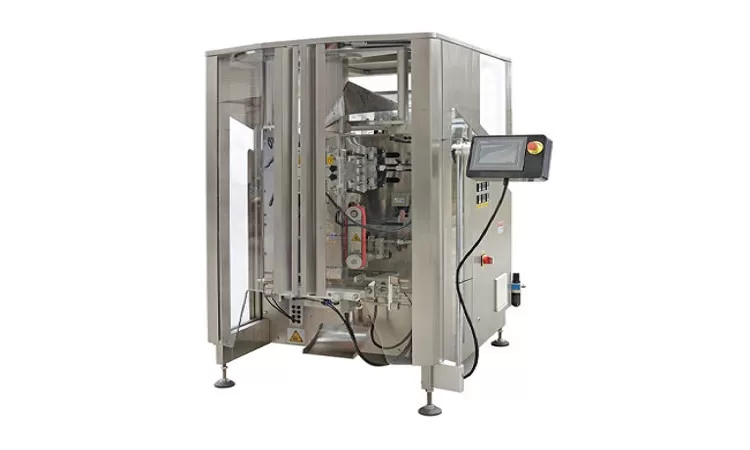
VFFS Equipment: The Ultimate Guide to Vertical Form Fill Seal Technology
13-03-2026 -
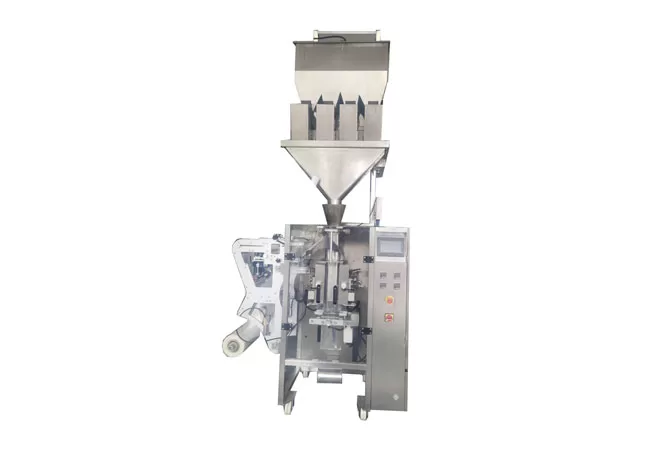
The Essential Guide to Weight Packing Machines for Precision Weighing
12-03-2026 -
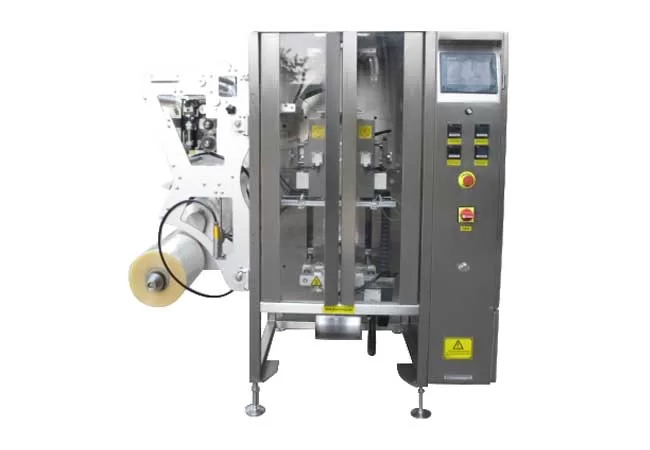
Power Packing Machine: The Ultimate Guide to Heavy-Duty Packaging Efficiency
11-03-2026 -
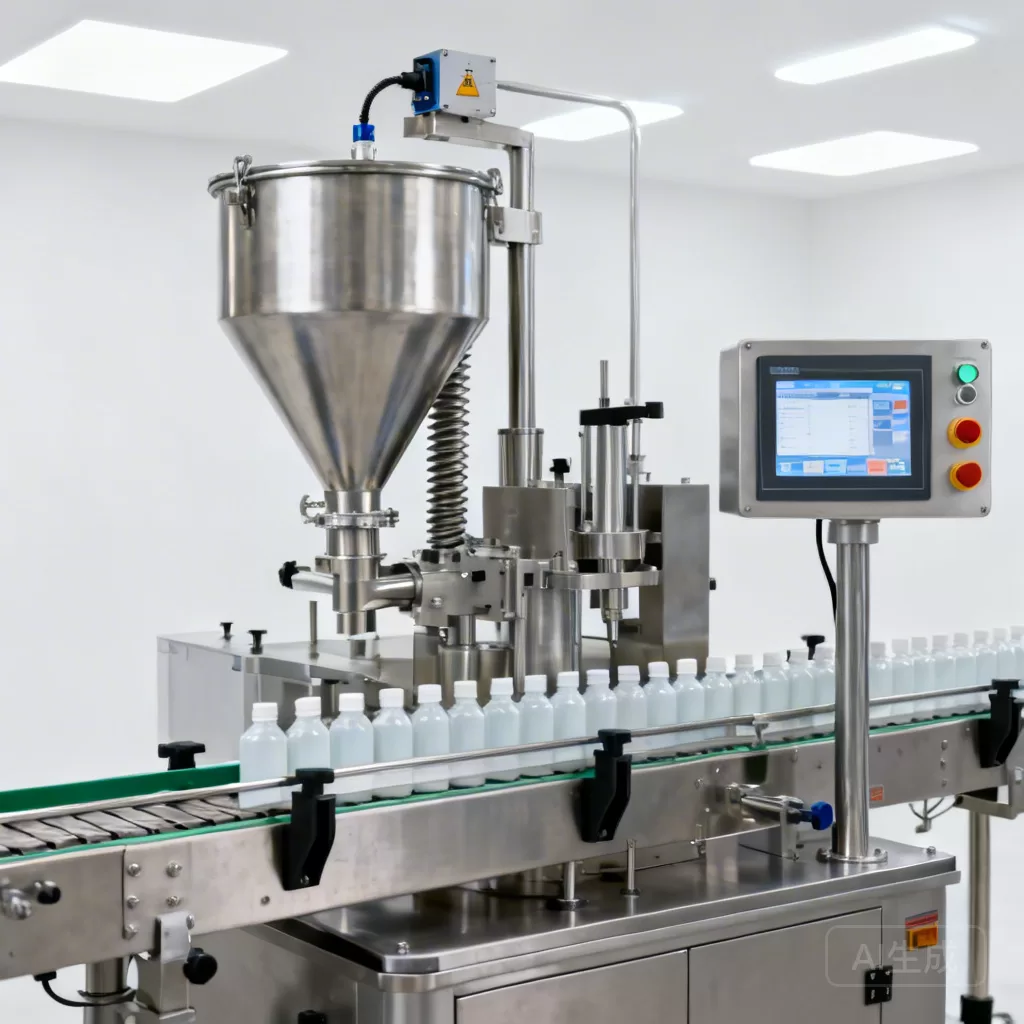
Weigher Packing Machine: The Definitive Guide to Precision Weighing & Packaging
10-03-2026 -
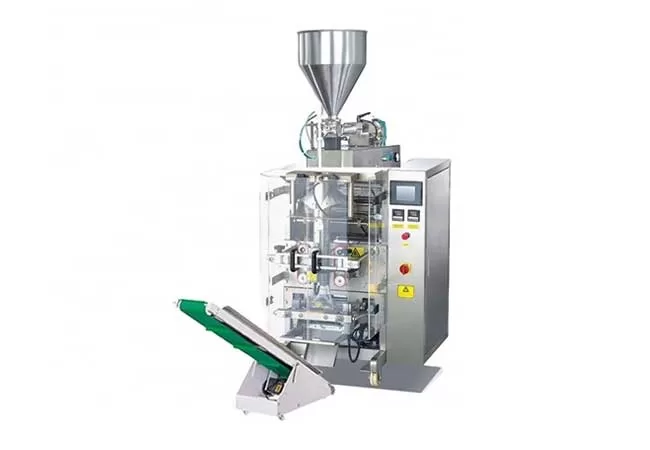
Auger Type Powder Filling Machine: The Ultimate Guide to Precision Packaging
09-03-2026 -
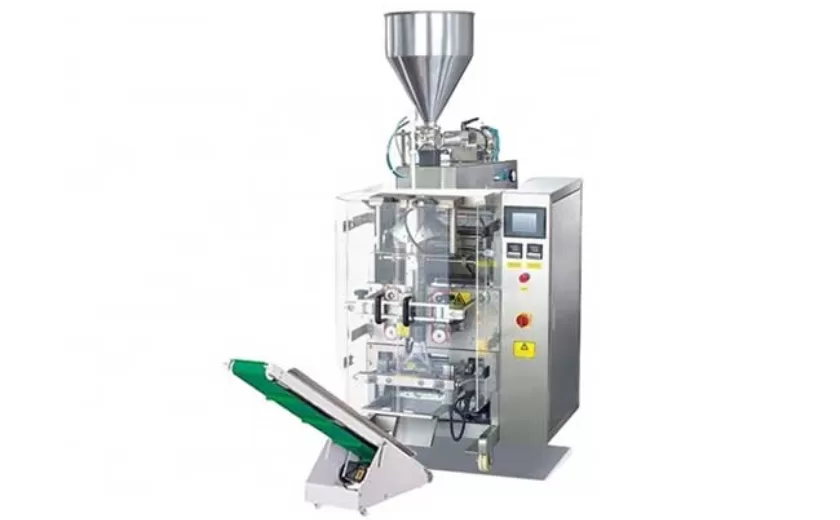
Advanced Packing Solutions: Snacks, Sugar, and Frozen Food Machines
29-10-2025 -
Efficient and Reliable Solutions for Salt, Nuts, and Frozen Dumplings Packing
29-10-2025 -
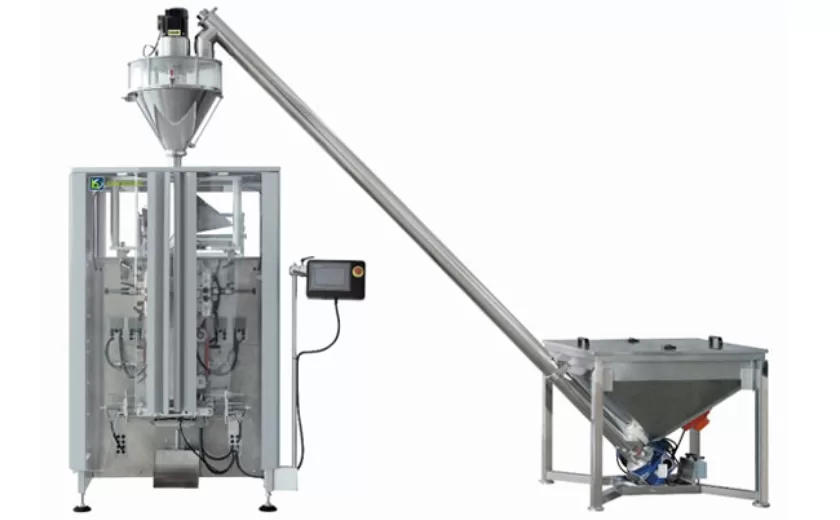
High-Performance Biscuits, Lollipop, and Ketchup Packing Machines for Modern Food Production
29-10-2025 -
Efficient Liquid Filling and Packing Machines for Modern Production
23-10-2025 -
Reliable Granule Packaging Machines for Efficient Production
23-10-2025
