
2027 Comprehensive Guide to Auger Filling Machines: Selection, Operation, and Ma
What Is an Auger Filling Machine?
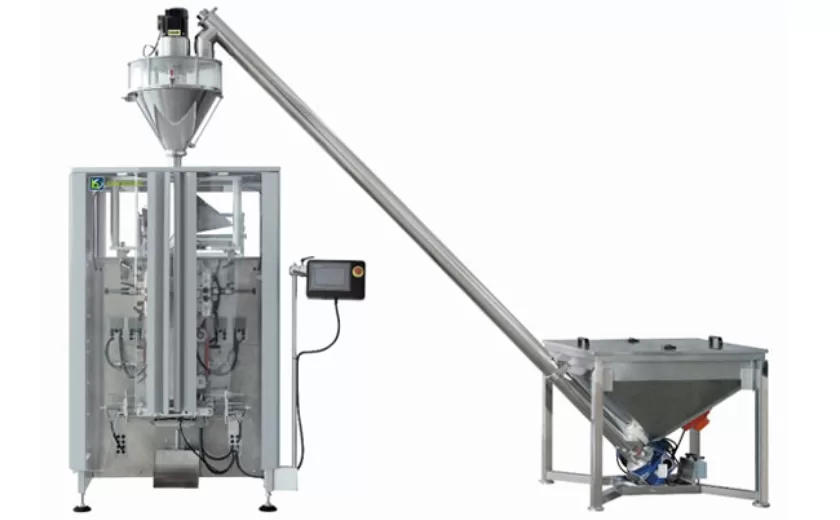
An auger filling machine is a specialized packaging device that uses a rotating screw-like component (called an auger) to measure and dispense precise amounts of free-flowing or semi-free-flowing dry powders, granules, or micro-pellets. It is widely adopted across industries like food & beverage, pharmaceuticals, cosmetics, and agriculture due to its high accuracy, efficiency, and versatility in handling materials with inconsistent bulk densities. Unlike volumetric cup fillers, which may struggle with density variations, the auger’s controlled rotation ensures consistent fill weights regardless of shifts caused by humidity, vibration, or material settling.
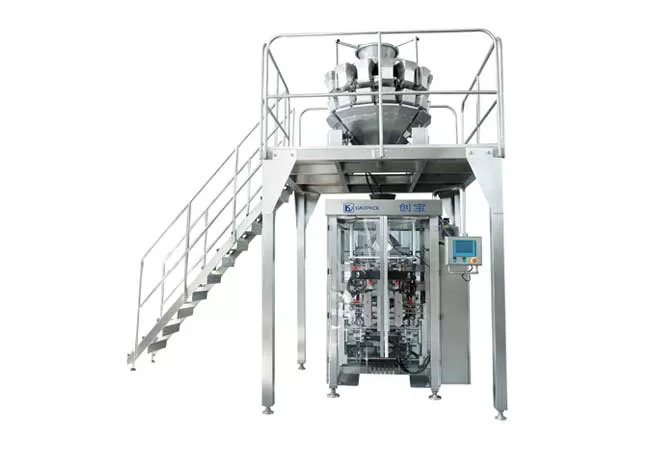
Key Components of an Auger Filling Machine
To understand how to operate and maintain an auger filling machine effectively, familiarity with its core parts is essential:
- Hopper
The hopper stores the待包装物料 (raw material to be packaged) and feeds it into the auger chamber. Modern hoppers are typically made of food-grade or pharmaceutical-grade stainless steel for hygiene and durability, and may include level sensors to automatically trigger material refills and prevent underfilling. - Auger
The auger is the heart of the machine. Variable pitch or variable diameter augers are common in 2027 models, as they allow for better control over material flow and packing density. Materials like hard chrome-plated stainless steel or FDA-approved plastic are used based on the application’s requirements. - Drive System
The drive system powers the auger’s rotation. 2027 auger filling machines often use servo motors instead of traditional AC motors, as servo motors offer precise speed and torque control, resulting in higher fill accuracy and faster changeovers between product types. - Filling Nozzle
The filling nozzle guides the dispensed material into containers, minimizing dust and spillage. Some models feature dust extraction systems or retractable nozzles to further improve cleanliness. - Control System
A high-resolution touchscreen controller is standard in most 2027 auger filling machines. It allows operators to adjust parameters like fill weight, auger speed, and conveyor belt speed, and may include features like recipe storage (for quick product switches), data logging, and integration with other packaging line equipment.
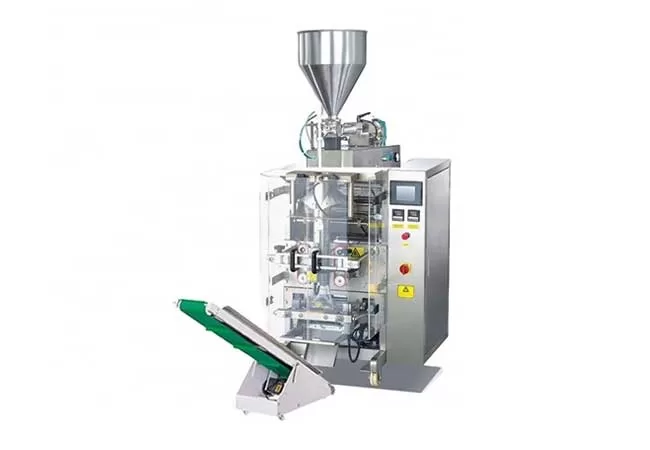
How to Choose the Right Auger Filling Machine?
Selecting the appropriate auger filling machine depends on several critical factors:
- Material Properties
First, assess the material’s bulk density, flowability, particle size, and hygroscopicity. For example, fine, highly hygroscopic powders (like pharmaceutical APIs) require a machine with a closed hopper and dust extraction system, while free-flowing granules (like rice flour) can use a standard open hopper. - Fill Volume and Accuracy Requirements
Determine the minimum and maximum fill volumes, as well as the required accuracy (e.g., ±0.2% for pharmaceuticals, ±1% for food products). Servo-driven auger filling machines offer higher accuracy than AC motor-driven models, especially for small fill volumes. - Packaging Speed
Consider your production line’s required output rate. Automatic auger filling machines can dispense up to 200 containers per minute, while semi-automatic models are suitable for smaller batches (up to 50 containers per minute). - Container Types
Ensure the machine is compatible with your container types (e.g., bottles, jars, pouches, sachets). Some models are designed for specific container shapes, while others offer adjustable nozzle heights and conveyor belt widths for versatility. - Compliance Standards
Check if the machine complies with industry-specific standards, such as GMP (Good Manufacturing Practices) for pharmaceuticals, FDA (Food and Drug Administration) for food & beverage, or ISO 9001 for general manufacturing.

Step-by-Step Operation of an Auger Filling Machine
Operating a modern auger filling machine (semi-automatic or automatic) typically involves these steps:
- Pre-Operation Inspection
Before starting the machine, inspect all components for damage, wear, or foreign objects. Check the hopper and auger chamber for cleanliness, and ensure the conveyor belt is properly aligned. - Material Loading
Load the raw material into the hopper. For hygroscopic materials, use a closed material transfer system to minimize exposure to air. - Parameter Setup
Enter the product recipe into the touchscreen controller. Adjust parameters like fill weight, auger speed, conveyor belt speed, and nozzle height according to the container and material specifications. - Test Runs
Perform several test runs with empty containers to verify the machine’s performance and adjust parameters if necessary. Weigh the filled containers to ensure they meet the required accuracy standards. - Production Start
Once the test runs are successful, start the production line. Monitor the machine continuously for any issues, such as material blockages, underfilling, or overfilling. - Post-Operation Cleaning and Maintenance
After production, stop the machine, turn off the power, and clean all components thoroughly. Follow the manufacturer’s instructions for maintenance tasks like lubricating moving parts, replacing worn augers, or calibrating the control system.

Common Maintenance Tips for Auger Filling Machines
Regular maintenance is essential to ensure the longevity and performance of an auger filling machine. Here are some tips for 2027 models:
- Daily Maintenance
- Clean the hopper, auger chamber, and filling nozzle with food-grade or pharmaceutical-grade cleaning agents.
- Check the level sensor and conveyor belt tension.
- Lubricate moving parts with the manufacturer’s recommended lubricant.
- Weekly Maintenance
- Inspect the auger for wear or damage. Replace it if necessary.
- Calibrate the control system to ensure fill accuracy.
- Check the servo drive motor for overheating or unusual noise.
- Monthly Maintenance
- Inspect all electrical connections for loose wires.
- Replace the air filter (if the machine has a dust extraction system).
- Check the bottle guide rails for alignment.
- Annual Maintenance
- Have a qualified technician perform a full inspection of the machine.
- Replace worn or outdated components.
- Update the control system software (if available).
Conclusion
Auger filling machines are indispensable tools for packaging dry powders, granules, and micro-pellets in various industries. By understanding their key components, choosing the right machine for your needs, operating it correctly, and performing regular maintenance, you can ensure high accuracy, efficiency, and product quality in your packaging process. 2027 models offer advanced features like servo motors, recipe storage, and data logging, making them even more user-friendly and cost-effective than previous versions.


-
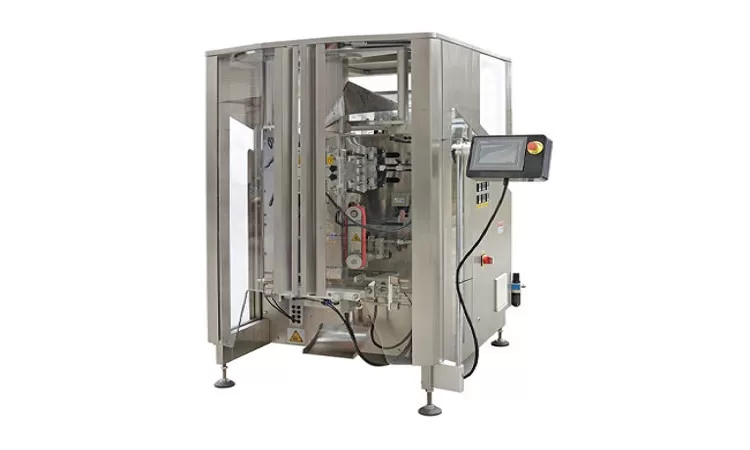
VFFS Equipment: The Ultimate Guide to Vertical Form Fill Seal Technology
13-03-2026 -
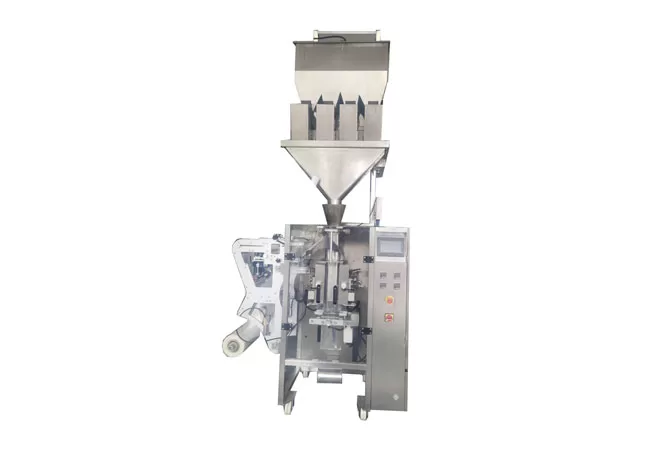
The Essential Guide to Weight Packing Machines for Precision Weighing
12-03-2026 -
Power Packing Machine: The Ultimate Guide to Heavy-Duty Packaging Efficiency
11-03-2026 -
Weigher Packing Machine: The Definitive Guide to Precision Weighing & Packaging
10-03-2026 -
Auger Type Powder Filling Machine: The Ultimate Guide to Precision Packaging
09-03-2026 -
Advanced Packing Solutions: Snacks, Sugar, and Frozen Food Machines
29-10-2025 -
Efficient and Reliable Solutions for Salt, Nuts, and Frozen Dumplings Packing
29-10-2025 -
High-Performance Biscuits, Lollipop, and Ketchup Packing Machines for Modern Food Production
29-10-2025 -
Efficient Liquid Filling and Packing Machines for Modern Production
23-10-2025 -
Reliable Granule Packaging Machines for Efficient Production
23-10-2025
