
Troubleshooting Common Issues with Semi-Automatic Weight Machines
Semi-automatic weight machines are commonly used in various industries to weigh and package products efficiently. However, these machines may encounter common issues that can affect their performance and accuracy. Understanding the causes and solutions to these issues is crucial for maintaining the optimal operation of semi-automatic weight machines.
Misalignment of Weighing Cells
Misalignment of weighing cells is a common issue that can affect the accuracy of weight machines. Weighing cells are sensitive components that measure the weight of the product being packaged. When they are misaligned, they may provide inaccurate readings, leading to underweight or overweight packages. Misalignment can occur due to improper installation or deformation of the weighing cells. To resolve this issue, the weighing cells must be properly aligned and recalibrated using standard weights to ensure accurate weighing.
Faulty Load Cells
Load cells are another critical component of semi-automatic weight machines. They convert the force exerted by the product’s weight into an electrical signal that is processed to determine the weight of the product. Faulty load cells can result in incorrect weight readings and machine malfunctions. Factors such as overload, wear and tear, or manufacturing defects can contribute to load cell failure. Replacing the faulty load cells with new ones of the same capacity and specifications is necessary to restore the machine’s functionality and maintain accurate weighing.
Inadequate Sensor Calibration
Sensors play a vital role in detecting the presence of products, measuring their position, and controlling the operation of semi-automatic weight machines. Inadequate sensor calibration can lead to improper product handling, incorrect weighing, or machine malfunctions. The calibration process involves adjusting the sensors to specific reference points or values to ensure their accuracy. Regular calibration according to the manufacturer’s specifications is essential to maintain optimal sensor performance and prevent errors in weight measurement.
Electrical Malfunctions
Electrical malfunctions can arise from various causes, such as loose connections, faulty wiring, or power supply issues. These malfunctions can disrupt the operation of the weight machine, leading to intermittent weighing errors or complete machine failure. Troubleshooting electrical issues requires methodical inspection of electrical connections, testing of components, and identifying any damaged or faulty parts. Repairs or replacements may be necessary to resolve electrical malfunctions and restore the machine’s functionality.
Mechanical Failures
Mechanical failures can occur due to wear and tear, improper maintenance, or external factors. Components such as gears, bearings, or drive mechanisms may fail, resulting in jamming, noise, or reduced machine performance. Mechanical failures can also affect the accuracy of weighing if they disrupt the smooth operation of the machine. Regular maintenance, timely lubrication, and replacement of worn-out parts are crucial to prevent mechanical failures and maintain the longevity of the weight machine.


-
VFFS Equipment: The Ultimate Guide to Vertical Form Fill Seal Technology
13-03-2026 -
The Essential Guide to Weight Packing Machines for Precision Weighing
12-03-2026 -
Power Packing Machine: The Ultimate Guide to Heavy-Duty Packaging Efficiency
11-03-2026 -
Weigher Packing Machine: The Definitive Guide to Precision Weighing & Packaging
10-03-2026 -
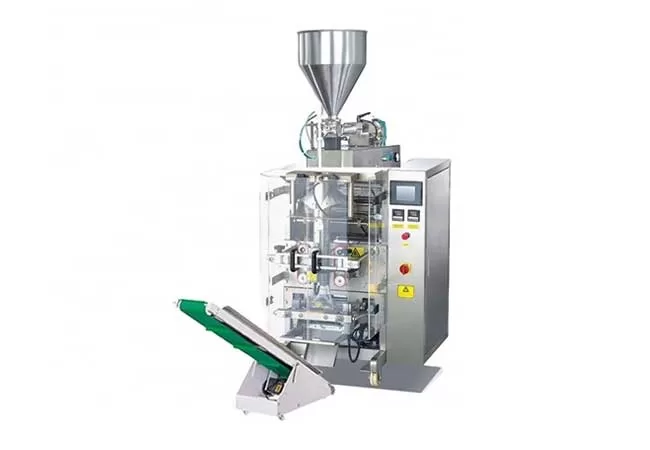
Auger Type Powder Filling Machine: The Ultimate Guide to Precision Packaging
09-03-2026 -
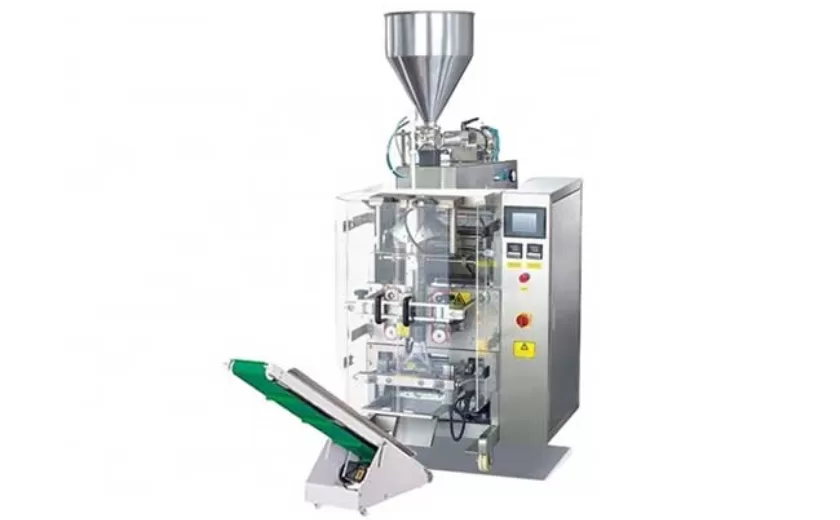
Advanced Packing Solutions: Snacks, Sugar, and Frozen Food Machines
29-10-2025 -
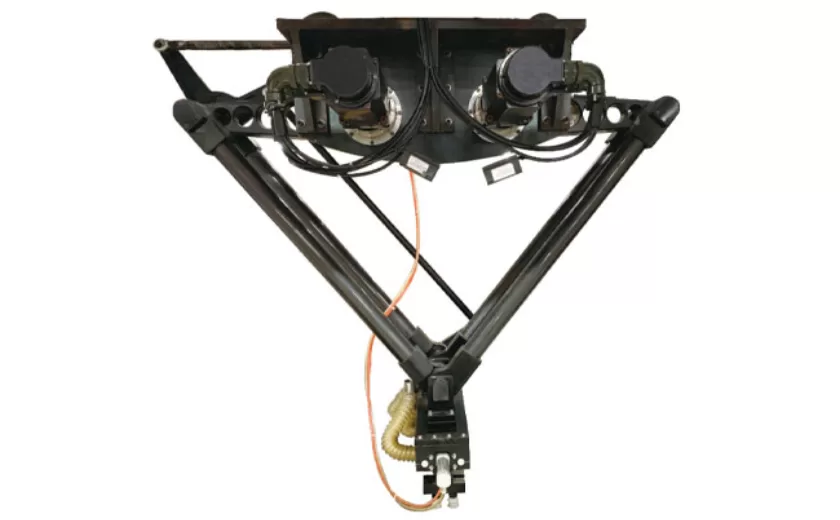
Efficient and Reliable Solutions for Salt, Nuts, and Frozen Dumplings Packing
29-10-2025 -
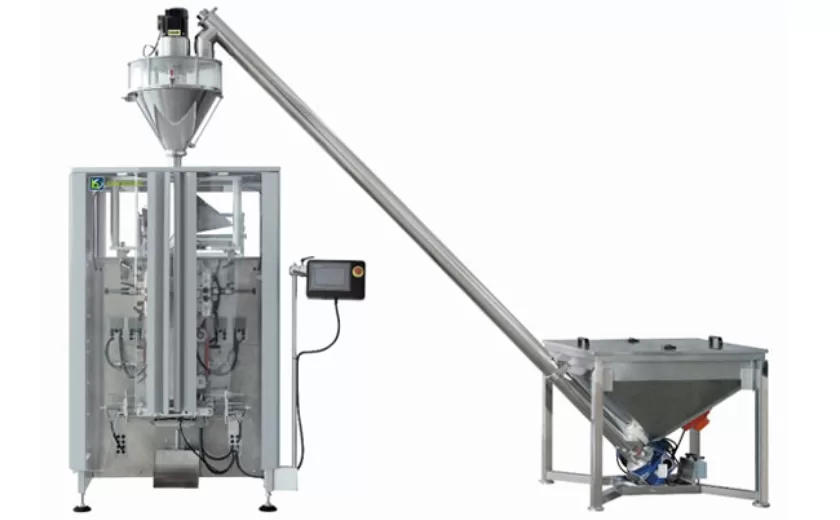
High-Performance Biscuits, Lollipop, and Ketchup Packing Machines for Modern Food Production
29-10-2025 -
Efficient Liquid Filling and Packing Machines for Modern Production
23-10-2025 -
Reliable Granule Packaging Machines for Efficient Production
23-10-2025
