
Troubleshooting Common Issues with High-Speed Auger Fillers
High-speed auger fillers represent a critical component of many packaging operations, ensuring accurate and efficient dispensing of a wide range of products. However, even these precision machines can encounter various issues that can hinder productivity and product quality. This article explores some of the most common problems associated with high-speed auger fillers and provides troubleshooting tips to address them effectively.
Fill Accuracy Issues
Inconsistent Fill Weights
Misaligned Auger: Check the alignment of the auger within the filling head to ensure it rotates smoothly without contacting the fill container.
Worn Auger: Examine the auger for wear or damage that may cause inconsistent filling. Replace as necessary.
Incorrect Product Flow: Verify the product flow from the hopper to the fill head. Obstructions or fluctuations in supply may affect fill accuracy.
Underfilling or Overfilling
Improper Auger Speed: Adjust the auger speed to optimize product flow and achieve the desired fill volume.
Damaged Torque Limiter: The torque limiter protects the auger from damage due to overloads. Inspect it for damage and replace if necessary.
Inaccurate Fill Level Sensor: Calibrate the fill level sensor regularly to ensure accurate detection of product presence.
Product Handling Issues
Product Bridging
Moisture Absorption: Some products may absorb moisture and form bridges or lumps in the auger. Implement measures to control humidity or use anti-bridging agents.
Static Electricity: Static charge can cause product particles to cling to the auger or fill head. Install anti-static devices to mitigate this issue.
Product Compaction
Excessive Auger Pressure: Adjust the auger pressure settings to reduce the compaction of products that are prone to it.
Inappropriate Hopper Design: Optimize hopper design to ensure smooth product flow and prevent product compaction before reaching the auger.
Machine Performance Problems
Auger Jamming
Foreign Object Blockage: Remove any foreign objects that may obstruct the auger, such as pieces of paper or product residue.
Damaged Auger Flighting: Inspect the auger flighting for damage or obstructions that may hinder product movement.
Incorrect Auger Pitch: Adjust the auger pitch to match product characteristics and prevent jamming.
Excessive Noise or Vibration
Misaligned or Worn Components: Check for any misalignment or worn gears, bearings, or other components that may produce noise or vibration.
Unbalanced Auger: Ensure that the auger is properly balanced to minimize vibration and noise.
Resonance: Examine the filling system for areas of resonance where vibration can be amplified. Implement vibration isolation measures as needed.


-
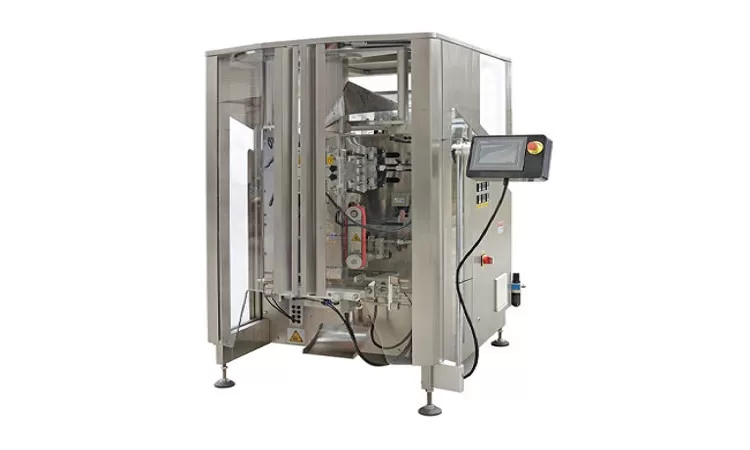
VFFS Equipment: The Ultimate Guide to Vertical Form Fill Seal Technology
13-03-2026 -
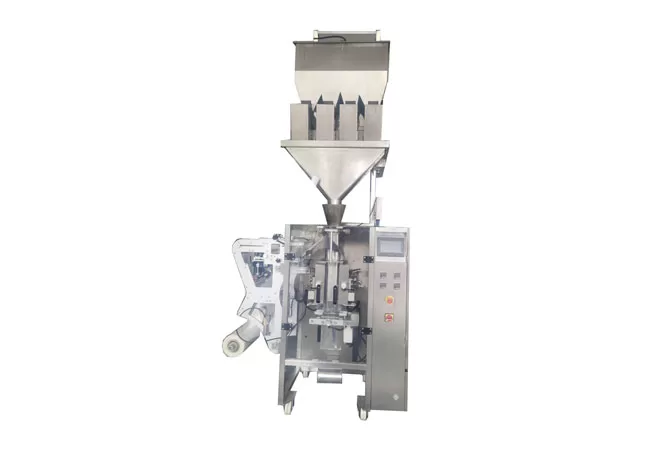
The Essential Guide to Weight Packing Machines for Precision Weighing
12-03-2026 -
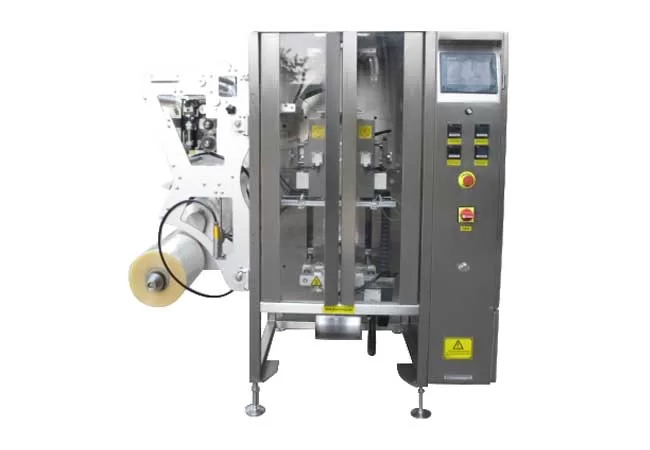
Power Packing Machine: The Ultimate Guide to Heavy-Duty Packaging Efficiency
11-03-2026 -
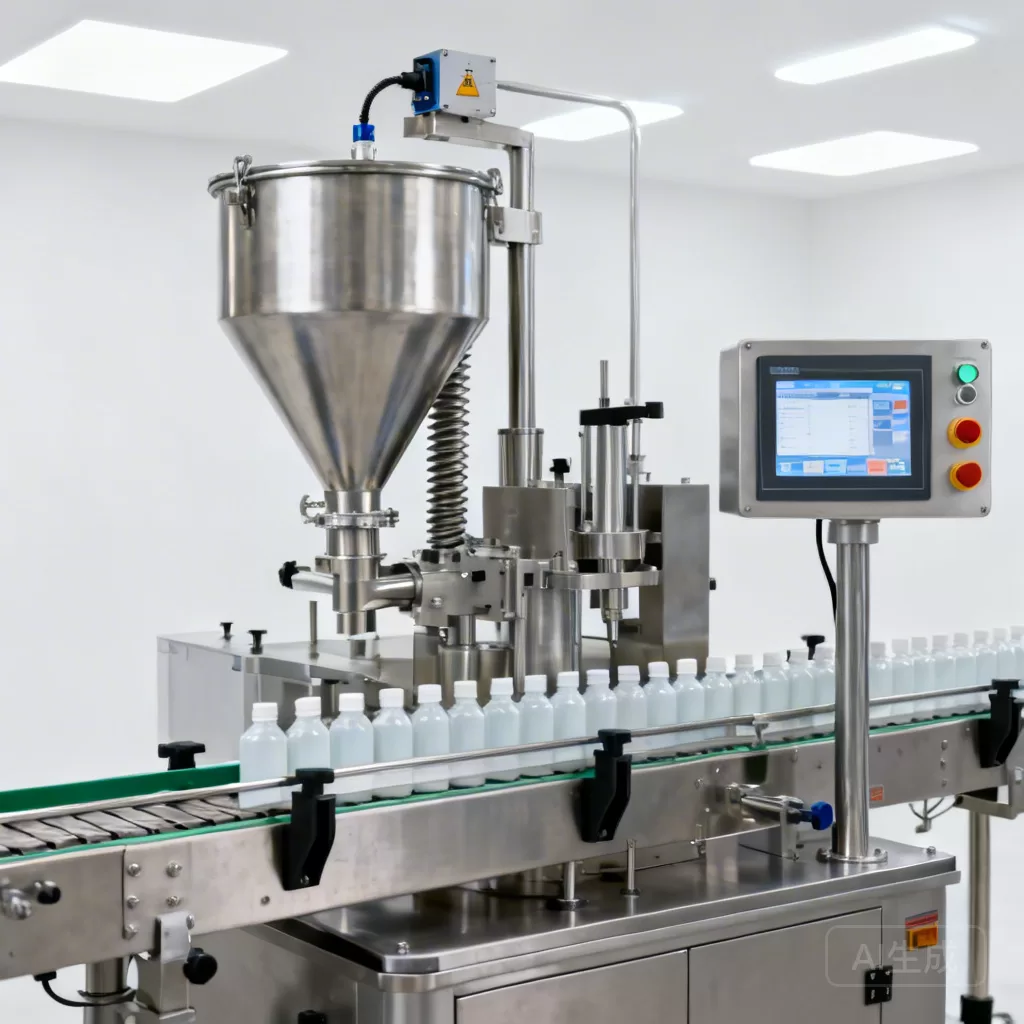
Weigher Packing Machine: The Definitive Guide to Precision Weighing & Packaging
10-03-2026 -
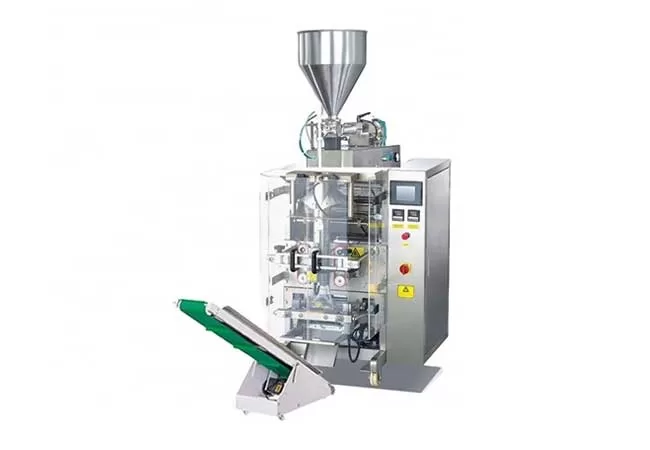
Auger Type Powder Filling Machine: The Ultimate Guide to Precision Packaging
09-03-2026 -
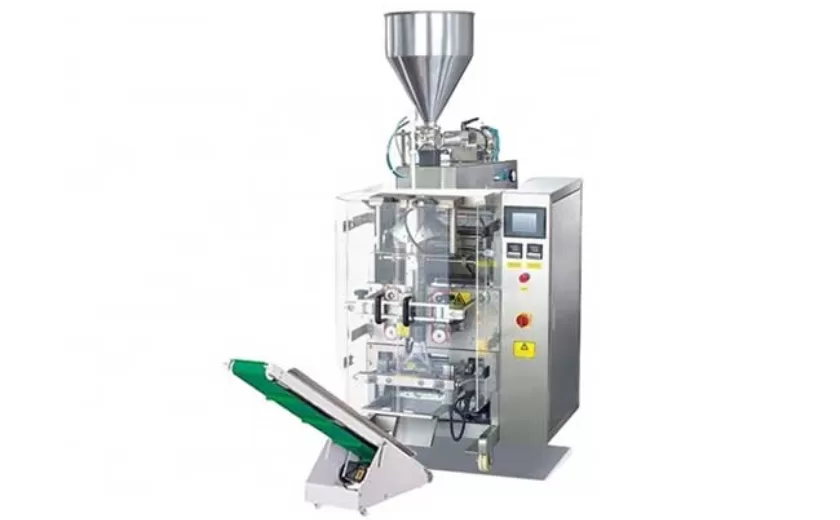
Advanced Packing Solutions: Snacks, Sugar, and Frozen Food Machines
29-10-2025 -
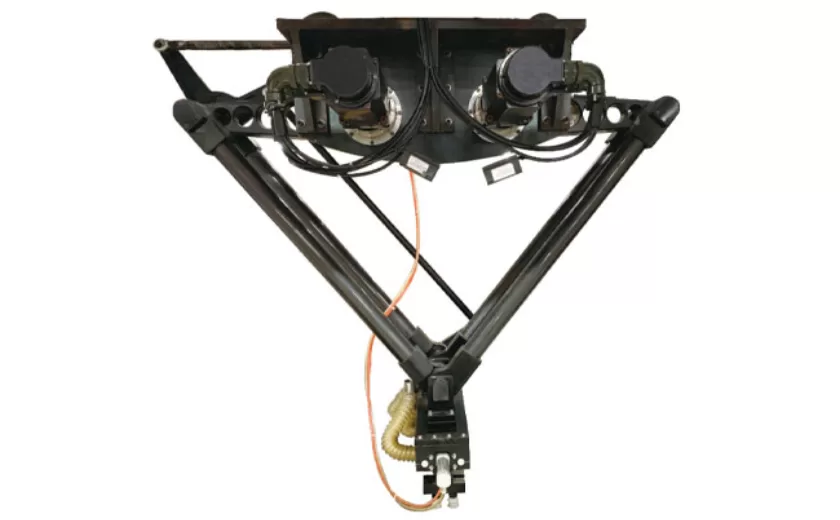
Efficient and Reliable Solutions for Salt, Nuts, and Frozen Dumplings Packing
29-10-2025 -
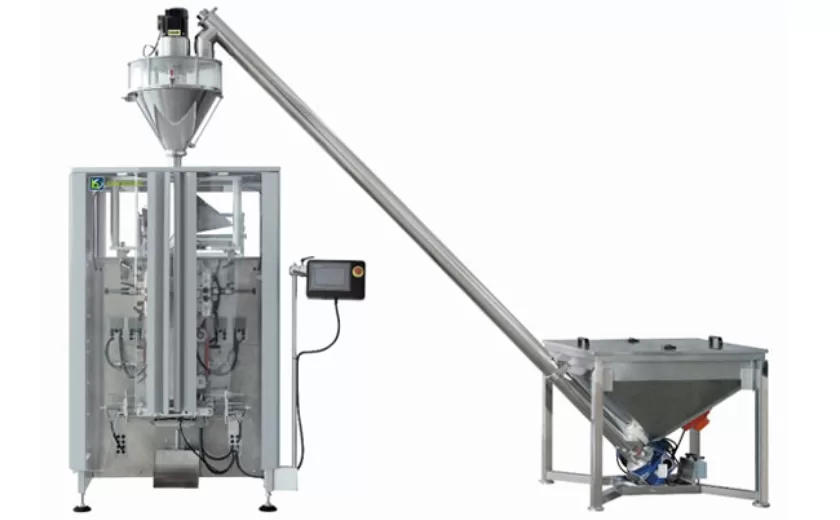
High-Performance Biscuits, Lollipop, and Ketchup Packing Machines for Modern Food Production
29-10-2025 -
Efficient Liquid Filling and Packing Machines for Modern Production
23-10-2025 -
Reliable Granule Packaging Machines for Efficient Production
23-10-2025
