
Safety and Compliance Considerations for Auto Weighing Filling Machines
Auto weighing filling machines play a crucial role in various industries, ensuring accurate and efficient filling of products. However, it is imperative to prioritize safety and compliance considerations to minimize risks and maintain regulatory adherence. This article delves into the key safety and compliance aspects that should be addressed for auto weighing filling machines.
Essential Safety Features
Emergency Stop Mechanisms:
Auto weighing filling machines must be equipped with easily accessible emergency stop buttons or switches to halt operations promptly in case of emergencies. These mechanisms should be strategically positioned for immediate reach, enabling operators to prevent accidents and machine damage.
Guards and Covers:
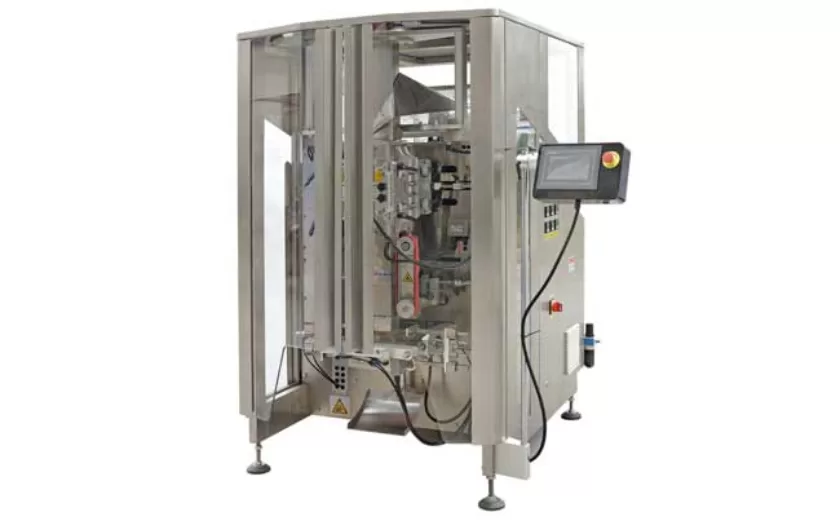
Machines should incorporate guards and covers to prevent contact with hazardous moving parts or components. These protective barriers minimize the risk of injuries and ensure that operators are not exposed to potential hazards during operation or maintenance.
Interlocks:
Interlocks serve as safety devices that prevent machine operation under unsafe conditions. For example, the machine should not start if the hopper or discharge chute is not properly closed or if the filling head is not in the correct position.
Compliance Regulations
OSHA Standards:
The Occupational Safety and Health Administration (OSHA) establishes safety regulations that must be met by auto weighing filling machines. These standards cover aspects such as machine guarding, electrical safety, and ergonomics to ensure the protection of workers and prevention of workplace accidents.
ANSI/PMMI Standards:
The American National Standards Institute (ANSI) and the Packaging Machinery Manufacturers Institute (PMMI) jointly develop safety standards for auto weighing filling machines. These standards provide guidelines for machine design, operation, and maintenance to minimize risks and promote industry best practices.
Regional Regulations:
It is crucial to consider regional or local safety and compliance regulations that may apply to auto weighing filling machines. These regulations can vary depending on the jurisdiction and must be carefully reviewed to ensure compliance.
Risk Assessment and Mitigation
Risk Assessment:
Thorough risk assessments should be conducted to identify potential hazards associated with auto weighing filling machines. This involves analyzing the machine design, operating procedures, and environmental factors to determine where risks may arise.
Risk Mitigation:
Once risks are identified, appropriate measures should be implemented to mitigate or eliminate them. This may include implementing engineering controls, providing operator training, or establishing safe work procedures.
Training and Inspection
Operator Training:
Operators must receive comprehensive training on the safe operation and maintenance of auto weighing filling machines. This training should cover emergency procedures, proper use of safety features, and recognition of potential hazards.
Regular Inspections:
Routine inspections should be performed to ensure that auto weighing filling machines are in good working order and meet safety and compliance requirements. Inspections should include checks for loose parts, worn components, and proper guarding.
Maintenance and Repairs:
Proper maintenance and repairs are essential to keep auto weighing filling machines safe and compliant. Regular servicing should be scheduled and performed by qualified technicians to maintain optimal performance and prevent potential failures.
Safety and compliance should be paramount considerations for auto weighing filling machines. By incorporating essential safety features, adhering to regulations, conducting risk assessments, providing training, and performing regular inspections, organizations can minimize risks, ensure worker safety, and maintain compliance. This comprehensive approach helps create a safe and efficient work environment while meeting regulatory requirements.


-
VFFS Equipment: The Ultimate Guide to Vertical Form Fill Seal Technology
13-03-2026 -
The Essential Guide to Weight Packing Machines for Precision Weighing
12-03-2026 -
Power Packing Machine: The Ultimate Guide to Heavy-Duty Packaging Efficiency
11-03-2026 -
Weigher Packing Machine: The Definitive Guide to Precision Weighing & Packaging
10-03-2026 -
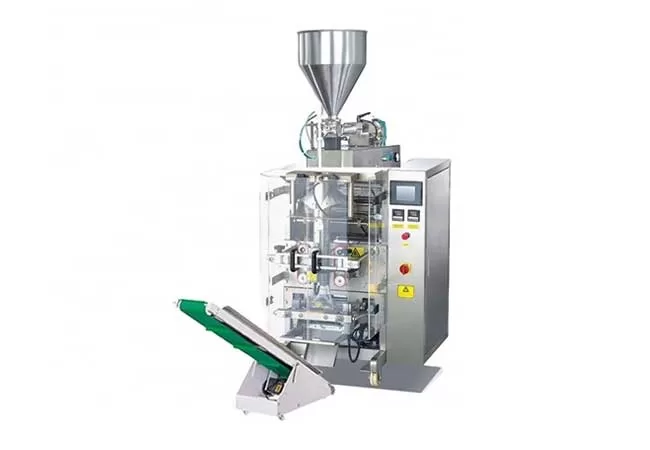
Auger Type Powder Filling Machine: The Ultimate Guide to Precision Packaging
09-03-2026 -
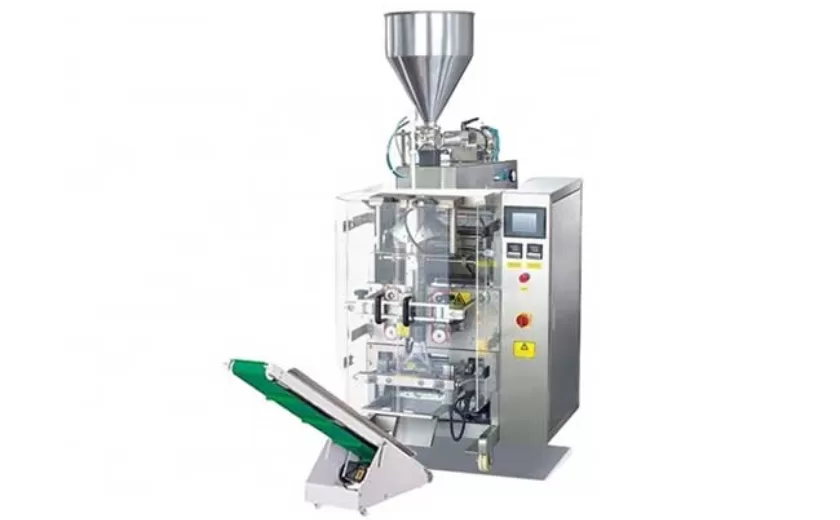
Advanced Packing Solutions: Snacks, Sugar, and Frozen Food Machines
29-10-2025 -
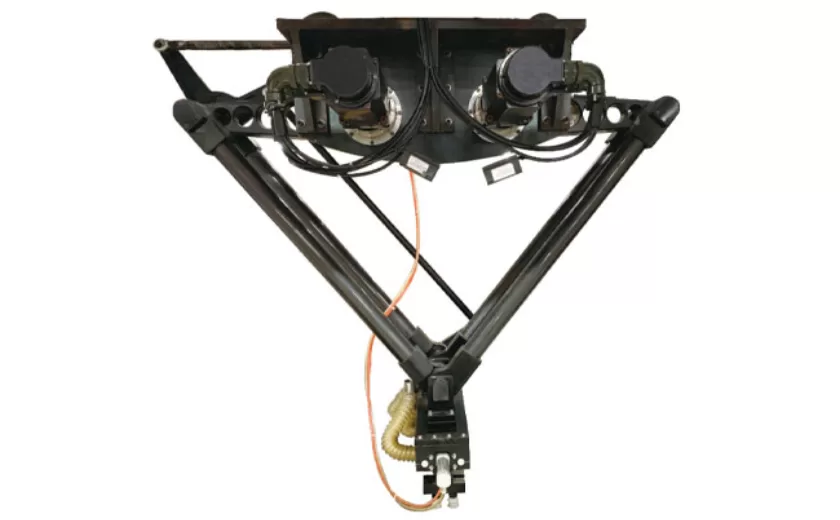
Efficient and Reliable Solutions for Salt, Nuts, and Frozen Dumplings Packing
29-10-2025 -
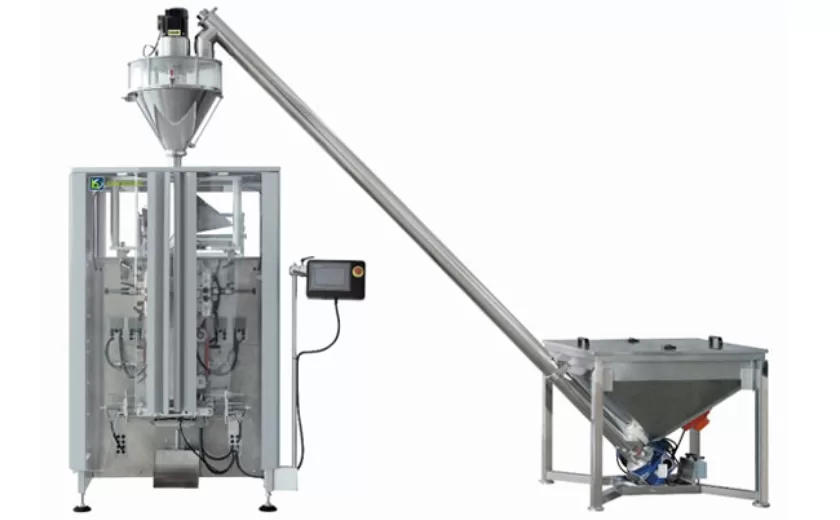
High-Performance Biscuits, Lollipop, and Ketchup Packing Machines for Modern Food Production
29-10-2025 -
Efficient Liquid Filling and Packing Machines for Modern Production
23-10-2025 -
Reliable Granule Packaging Machines for Efficient Production
23-10-2025
