

Power Packing Machine: The Ultimate Guide to Heavy-Duty Packaging Efficiency
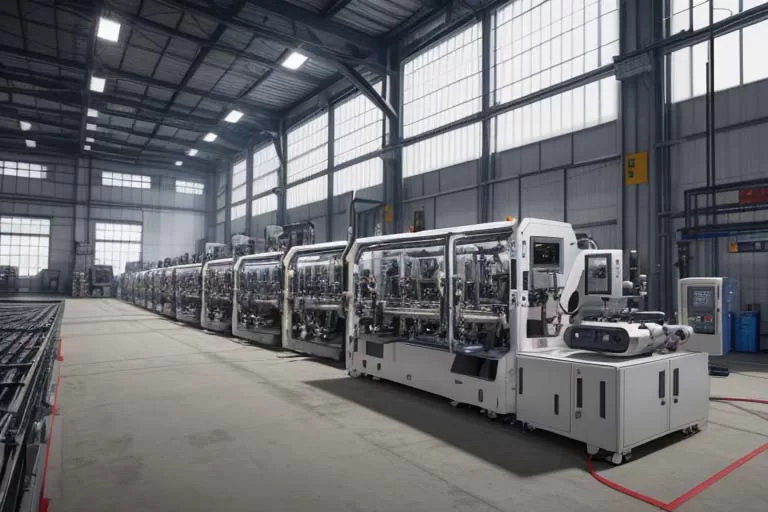
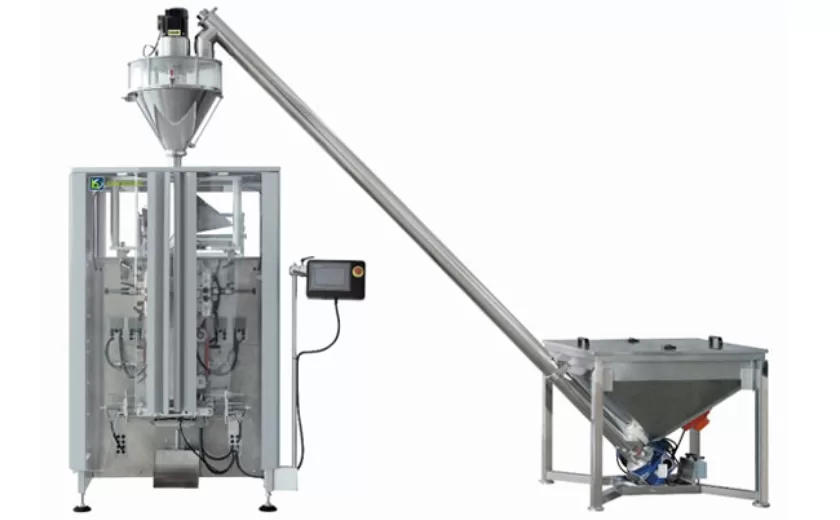
A heavy-duty power packing machine handling industrial packaging tasks
The power packing machine is a game-changer in the packaging industry, designed to handle high-volume, heavy-duty packaging tasks with unmatched efficiency and reliability. This robust equipment combines advanced motor technology, precision engineering, and automated controls to streamline the packaging of bulky, heavy, or high-flow products—from industrial components to agricultural goods. In this comprehensive guide, we will explore the world of power packing machines: their core technology, key benefits, industry applications, selection criteria, and future innovations. Whether you’re a manufacturing plant manager scaling production or a logistics director optimizing supply chain efficiency, this guide will equip you with the insights to leverage power packing machines for maximum operational impact. Let’s dive into how this technology can transform your packaging workflow and drive business growth.
What is a Power Packing Machine?
Core Technology: How Power Packing Machines Deliver Heavy-Duty Performance
Power packing machines are engineered for high-torque, high-speed operations, using robust motors (typically 5–20 HP) and reinforced mechanical components to handle heavy loads. The core mechanism involves automated product feeding, precise weighing (via load cells or sensors), and rapid packaging (bagging, sealing, or palletizing). Unlike standard packing machines, power packing machines are designed to withstand continuous use in industrial environments—making them ideal for sectors like construction, agriculture, and manufacturing.
Key Components of a Power Packing Machine
A power packing machine consists of critical components tailored for heavy-duty use: a reinforced hopper (to hold large volumes of product), high-torque motor (for consistent feeding), precision weighing system (load cells or digital scales), automated packaging unit (heat sealers, baggers, or stretch wrappers), and a control panel (for programming speed, weight, and packaging parameters). Each component is built to resist wear and tear—for example, hoppers are made of stainless steel to handle abrasive materials like gravel or cement.
Benefits of Using a Power Packing Machine
Unmatched Speed & Volume Capacity
The primary advantage of a power packing machine is its ability to handle high-volume production—up to 500 packages per minute for some models. For example, a construction material manufacturer using a power packing machine can fill 1-ton bags of cement at a rate of 30 bags per minute, cutting packaging time by 70% compared to manual processes. This speed directly translates to higher output and faster time-to-market.
Reduced Labor Costs & Safety Improvements
Power packing machines automate labor-intensive tasks, reducing the need for manual labor and minimizing workplace injuries. A study by the Occupational Safety and Health Administration (OSHA) found that automated power packing machines reduce musculoskeletal injuries by 85% in industries handling heavy products. Additionally, labor costs can be cut by up to 60%—a significant savings for large-scale operations.
Applications of Power Packing Machines
Industrial & Construction Sector
In the industrial sector, power packing machines are used to package construction materials (cement, gravel, sand), metal components (nuts, bolts), and industrial chemicals. For example, a steel manufacturer uses a power packing machine to package 50kg bags of steel bolts, ensuring consistent weight and reducing product waste. The machine’s robust design handles the abrasive nature of metal components without wear.
Agricultural & Bulk Goods Industry
Agricultural businesses rely on power packing machines to package grains, seeds, fertilizers, and animal feed. A grain elevator might use a power packing machine to fill 25kg bags of wheat at a rate of 40 bags per minute, ensuring efficient distribution to retailers. The machine’s ability to handle high-moisture or dusty products makes it ideal for agricultural applications.
How to Choose the Right Power Packing Machine
Assessing Product Weight & Volume Requirements
The first step in selecting a power packing machine is determining your product’s weight (e.g., 10kg vs. 1-ton bags) and production volume (e.g., 100 vs. 1,000 bags per hour). For heavy products (over 50kg), a hydraulic power packing machine is ideal, while lighter products may use an electric model. Matching the machine’s capacity to your needs ensures optimal performance and avoids overinvestment.
Evaluating Durability & Maintenance Needs
Power packing machines operate in harsh environments, so durability is critical. Look for machines with stainless steel components, reinforced frames, and IP-rated enclosures (to resist dust and moisture). Additionally, choose a machine with easy-to-access parts for maintenance—this reduces downtime and extends the machine’s lifespan.
Maintenance & Troubleshooting for Power Packing Machines
Routine Maintenance Best Practices
To keep a power packing machine running smoothly, follow these maintenance steps: lubricate moving parts weekly, inspect motor belts and gears monthly, and calibrate weighing systems quarterly. For example, a mining company using a power packing machine for ore should clean the hopper daily to prevent material buildup and inspect load cells monthly to maintain accuracy.
Common Issues & Solutions
Common problems include motor overheating (caused by overloading), packaging seal failures (due to incorrect temperature settings), and weighing inaccuracies (from uncalibrated load cells). Troubleshooting these issues quickly—such as reducing the machine’s load or adjusting seal temperature—minimizes downtime and keeps production on track.
Future Trends in Power Packing Machine Technology
Smart Automation & IoT Integration
The next generation of power packing machines will feature IoT connectivity, allowing real-time monitoring of performance metrics (e.g., motor temperature, packaging speed) via cloud platforms. This enables predictive maintenance—identifying potential issues before they cause downtime—and data-driven optimization (e.g., adjusting packaging speed based on product demand).
Sustainable Power Solutions
As businesses prioritize sustainability, power packing machines are being designed with energy-efficient motors and renewable power options (e.g., solar-powered models). For example, a solar-powered power packing machine can reduce energy costs by 30% while minimizing carbon emissions—aligning with global sustainability goals.
Conclusion
The power packing machine is an essential tool for businesses handling heavy or high-volume products. Its combination of speed, durability, and efficiency makes it a strategic investment for industries like construction, agriculture, and manufacturing. By understanding its technology, benefits, and applications, you can select the right machine to meet your unique needs and stay ahead of industry trends. Whether you’re packaging cement, grains, or industrial components, a power packing machine will transform your operations and help you achieve your business goals. Ready to upgrade your packaging process? Explore the latest power packing machine solutions and unlock the full potential of heavy-duty automated packaging.


-
VFFS Equipment: The Ultimate Guide to Vertical Form Fill Seal Technology
13-03-2026 -
The Essential Guide to Weight Packing Machines for Precision Weighing
12-03-2026 -
Power Packing Machine: The Ultimate Guide to Heavy-Duty Packaging Efficiency
11-03-2026 -
Weigher Packing Machine: The Definitive Guide to Precision Weighing & Packaging
10-03-2026 -
Auger Type Powder Filling Machine: The Ultimate Guide to Precision Packaging
09-03-2026 -
Advanced Packing Solutions: Snacks, Sugar, and Frozen Food Machines
29-10-2025 -
Efficient and Reliable Solutions for Salt, Nuts, and Frozen Dumplings Packing
29-10-2025 -
High-Performance Biscuits, Lollipop, and Ketchup Packing Machines for Modern Food Production
29-10-2025 -
Efficient Liquid Filling and Packing Machines for Modern Production
23-10-2025 -
Reliable Granule Packaging Machines for Efficient Production
23-10-2025
