
How an Auger Type Powder Filling Machine Handles Fine and Fluid Powders
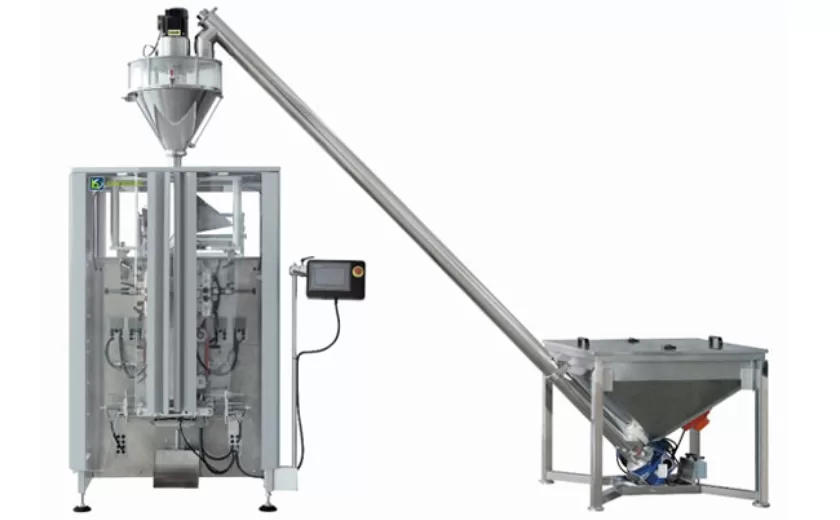
Powder filling looks simple until the product refuses to behave. Fine flour drifts into the air, cornstarch clumps under humidity, and spice blends settle unevenly in a hopper. An auger type powder filling machine was built around this exact headache, using a rotating screw to push measured doses of powder through a nozzle instead of relying on gravity or vibration alone. For plants running cosmetic talc, protein isolates, or pharmaceutical excipients, that mechanical consistency is often the difference between a clean production run and a line full of rejected bags.
This article looks at why auger-based dosing works for powders that other filling methods struggle with, what technical factors actually affect accuracy, and how a combination weigher-driven system fits into that picture when speed and precision both matter.
Why Powder Properties Dictate the Filling Method
Powder is not a single material category. Flowability, particle size, moisture content, and bulk density vary so much between products that a filler tuned for one powder can underperform badly on another. Talcum powder flows like liquid sand, while xanthan gum tends to bridge and clump inside a hopper.
Auger fillers address this by using a helical screw that physically carries powder through a tube, breaking up mild clumping along the way. Because the dose is tied to screw rotations rather than free-falling weight, the method holds accuracy even when the powder itself is inconsistent batch to batch.
That said, augers are not universally correct for every powder. Very light, aerated powders such as some milk powders or cosmetic fillers can be better served by combination weigher systems, which measure actual weight rather than volumetric displacement. Choosing between the two often comes down to one practical question: does the product’s density stay stable enough for volumetric dosing to track true weight accurately?
Where Auger Dosing Fits Against Combination Weighing
Many production lines now blend both philosophies instead of picking one exclusively. A combination weigher handles granular or free-flowing material at high speed, while an auger module takes over for fine or sticky powders that would otherwise cling to weigher buckets and throw off readings.
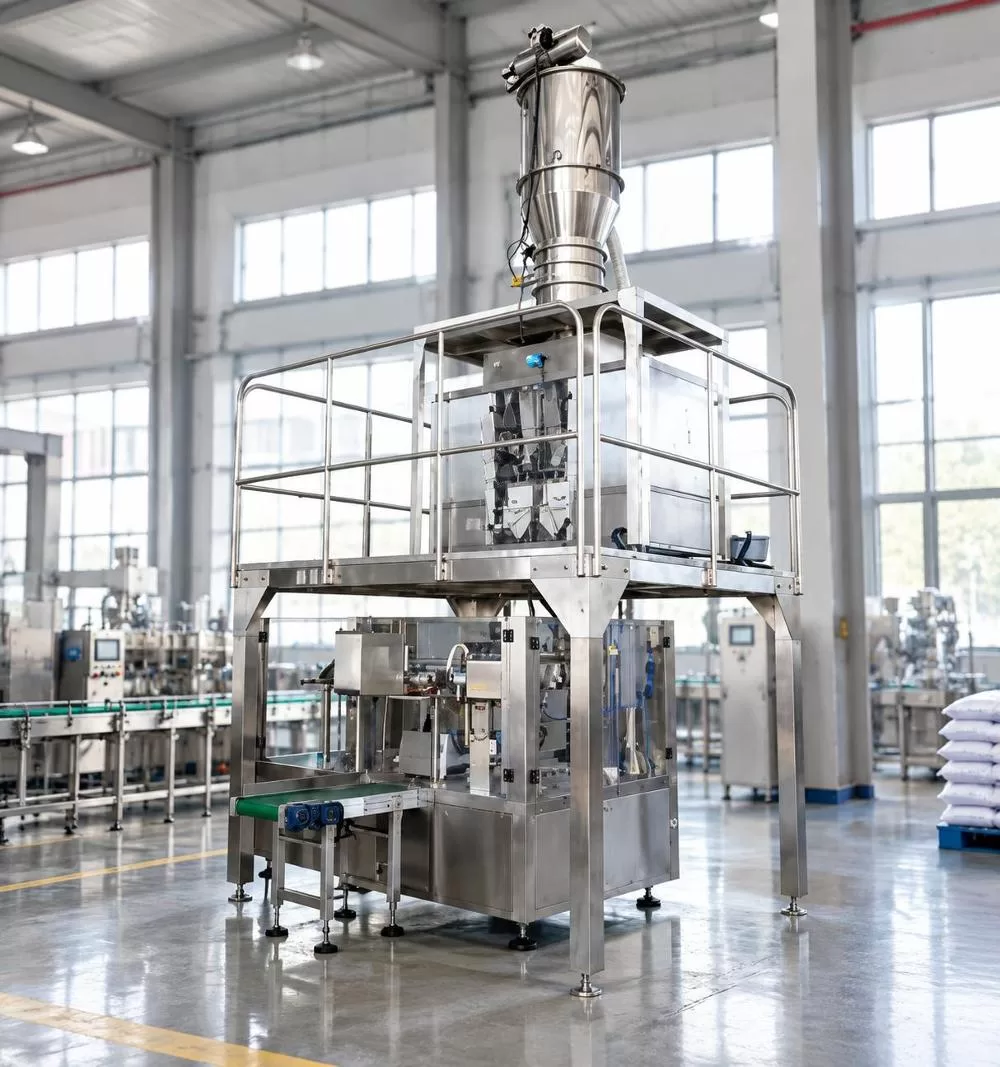
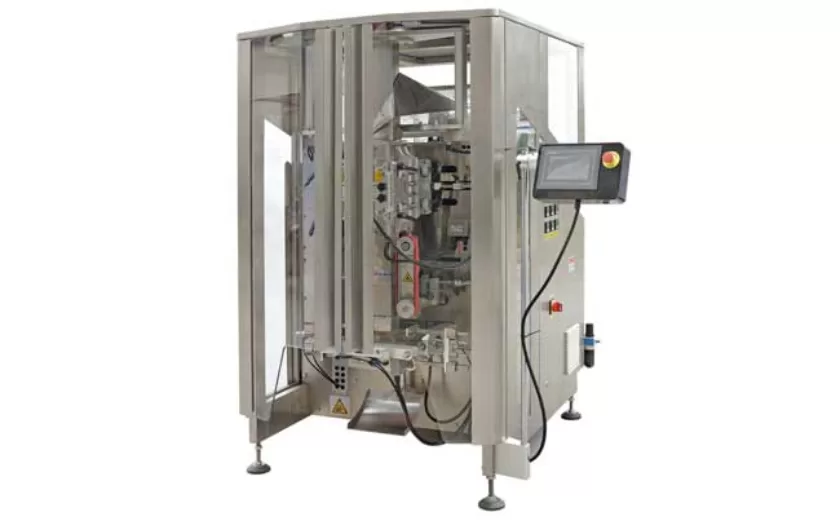
This hybrid approach shows up directly in equipment design. The CB-VP42, a 10-head weighing and filling packaging machine built for powders, uses a 10-head combination weigher built from 304 stainless steel, paired with a servo-driven film drawing system for bag formation. It is not an auger machine by itself, but it illustrates how modern packaging lines are engineered to isolate the dosing method from the bag-forming process, so each stage can be optimized independently.
For plants weighing dense, free-flowing powders in bulk, a combination weigher like this one often outpaces single-head auger dosing on raw speed. For fine, cohesive, or dusty powders, an auger stage still tends to deliver steadier fill weights, since the screw mechanically meters volume rather than depending on the powder settling naturally into a bucket.
Core Technical Factors That Determine Fill Accuracy
Accuracy in powder filling rarely comes down to one component. It is the sum of several interacting variables, and overlooking any one of them tends to show up later as inconsistent bag weights on the production floor.
- Screw pitch and diameter: Determines how much powder moves per rotation, directly setting the resolution of each dose.
- Motor control type: Servo-controlled systems allow finer rotational increments than standard induction motors, improving repeatability on small target weights.
- Hopper design: Poor hopper geometry causes bridging or rat-holing, starving the auger of consistent material flow.
- Film handling precision: On VFFS-style machines, servo-motor controlled film drawing keeps bag dimensions consistent, which matters just as much as the dose itself for finished package weight.
- Material build quality: Stainless steel contact parts, typically 304 grade, resist powder residue buildup and corrosion from humid or acidic ingredients.
None of these factors operate in isolation. A precise auger paired with sloppy film tension still produces uneven bags, which is why packaging engineers tend to evaluate the whole line rather than the dosing head alone.
Reading the Spec Sheet Without Getting Lost in It
Technical datasheets for powder packaging equipment can look intimidating, but most of the numbers map to a handful of practical questions: how fast does it run, how accurate is it, and how much mess does it make. Using the CB-VP42 as a reference point for a modern powder weighing and filling system:
| Specification | Value |
|---|---|
| Packing Speed | 50-60 bags/min |
| Measuring Range | ≤2.4L |
| Weigher Type | 10-head combination weigher |
| Accuracy | ±1g (for weights under 100g) |
| Bucket Capacity | 1.3L |
| Max Film Width | 420 mm |
| Film Thickness | 0.04-0.09 mm |
| Power / Voltage | 2.2 KW / 220V, 50Hz |
| Machine Weight | 480 kg |
| Contact Material | 304 stainless steel |
A ±1g accuracy on sub-100g fills is a meaningful benchmark for snack and ingredient packaging, since even small percentage errors compound quickly across thousands of bags per shift. For buyers comparing an auger type powder filling machine against a combination weigher model, this kind of table is more useful than marketing copy, because it reduces the decision to numbers that map directly onto line throughput and material cost.
Matching Bag Style to the Product Being Filled
Fill accuracy means little if the finished bag does not survive shipping or sit properly on a retail shelf. Bag style is a packaging decision as much as a filling one, and it should be settled before equipment is finalized.
- Pillow-type bags suit high-speed runs of granular or powdered snacks where shelf presentation is secondary to throughput.
- Standing bags work better for retail-facing powders like protein blends or baking mixes, where the bag needs to stay upright on a shelf.
- Bags with euroslots support hook-display retail formats, common for spice sachets or small hardware-adjacent powder products.
A system capable of producing all three styles, as the CB-VP42 is documented to do, gives a production line flexibility to serve multiple retail channels without swapping machines entirely.
Common Questions About Powder Filling Line Setup
Does an auger filler work for abrasive powders?
Augers handle moderately abrasive powders reasonably well, but very hard or gritty materials accelerate screw wear over time. Hardened or coated screws are typically specified for those cases rather than standard stainless steel.
Can one machine switch between powder types without major retooling?
Changeover usually requires adjusting hopper settings, screw speed, and sometimes the auger itself, but most industrial systems are designed for this kind of product changeover without a full rebuild.
Is a multihead combination weigher ever better than an auger for powders?
Yes, particularly for free-flowing powders with stable bulk density, where weight-based measurement from a combination weigher can outperform volumetric auger dosing on both speed and accuracy.
What causes inconsistent fill weights on an existing line?
Common culprits include hopper bridging, humidity affecting powder flow, worn screw components, or film tension issues on the bag-forming side rather than the dosing mechanism itself.
Matching the Machine to the Production Reality
Selecting between an auger system, a combination weigher, or a hybrid line should start with the powder itself, not the equipment catalog. Dense, free-flowing products tend to favor weight-based systems for raw speed, while fine, cohesive, or dusty powders generally hold tighter accuracy under volumetric auger control.
For us at Baopack, having built automatic weighing and packaging equipment since 2001, the practical takeaway for most buyers is straightforward: define the powder’s flow behavior and target accuracy first, then let those numbers dictate whether an auger type powder filling machine, a combination weigher, or a combined system is the right fit for the line.


-
VFFS Equipment: The Ultimate Guide to Vertical Form Fill Seal Technology
13-03-2026 -
The Essential Guide to Weight Packing Machines for Precision Weighing
12-03-2026 -
Power Packing Machine: The Ultimate Guide to Heavy-Duty Packaging Efficiency
11-03-2026 -
Weigher Packing Machine: The Definitive Guide to Precision Weighing & Packaging
10-03-2026 -
Auger Type Powder Filling Machine: The Ultimate Guide to Precision Packaging
09-03-2026 -
Advanced Packing Solutions: Snacks, Sugar, and Frozen Food Machines
29-10-2025 -
Efficient and Reliable Solutions for Salt, Nuts, and Frozen Dumplings Packing
29-10-2025 -
High-Performance Biscuits, Lollipop, and Ketchup Packing Machines for Modern Food Production
29-10-2025 -
Efficient Liquid Filling and Packing Machines for Modern Production
23-10-2025 -
Reliable Granule Packaging Machines for Efficient Production
23-10-2025
