
Complete Guide to Auger Fillers for Powder in 2026: Choosing, Using, and Innovations
An auger filler for powder is a reliable, automated or semi-automated filling solution designed specifically for dry powders—both free-flowing and non-free-flowing. It uses a rotating helical screw (auger) within a precision-matched sleeve to measure and dispense controlled amounts of material into containers. Widely used across food, pharmaceutical, cosmetics, chemical, and agricultural industries, it replaces manual scooping to cut waste, reduce contamination, minimize human error, and boost production efficiency.
### How Do Auger Fillers for Powder Operate?
The standard auger powder filling process follows four core steps, with variations based on filler type and setup:
1. **Powder Feeding**: Dry powder is loaded into a hopper fitted with a level sensor to maintain a consistent material height—critical for accurate volumetric filling.
2. **Auger Rotation**: A motor-driven auger spins inside its matching sleeve, moving material from the hopper to the filling nozzle.
3. **Dispensing & Container Handling**: As containers pass under the nozzle on a conveyor belt, a gate valve opens, and the auger releases the pre-programmed volume or weight.
4. **Sealing & Quality Control**: Post-filling, containers may move to sealing (e.g., heat sealing for pouches, capping for bottles) and optional checks like weight verification or metal detection.
Gravimetric auger fillers, which measure by weight instead of volume, offer enhanced precision and are split into two subcategories:
– **Loss-in-Weight (LIW) Augers**: The hopper and auger sit on a load cell that tracks weight loss during dispensing, adjusting auger speed to hit exact targets.
– **Weight-in-Motion (WIM) Augers**: First dispense volumetrically, then a post-filling scale fine-tunes the fill by adding or removing powder as needed.
### Key Applications of Auger Fillers for Powder
Auger fillers are indispensable across diverse sectors due to their ability to handle varied powder consistencies and container types:
– **Food & Beverage**: Dispense spices, flour, sugar, cocoa, coffee grounds, powdered milk, and protein supplements into bottles, jars, pouches, and cans.
– **Pharmaceuticals & Nutraceuticals**: Fill capsules, sachets, and bottles with APIs, vitamins, minerals, and herbal supplements, adhering to FDA, cGMP, and ISO 13485 standards.
– **Cosmetics & Personal Care**: Measure and dispense talcum powder, face powder, body scrub particles, and dry shampoo into compacts, bottles, and travel-sized containers.
– **Chemicals & Materials**: Fill containers with industrial powders like detergents, fertilizers, pigments, and plastics for manufacturing processes.
### How to Choose the Right Auger Filler for Powder in 2026
Selecting the right auger filler requires evaluating your specific needs. Key 2026 considerations include:
1. **Powder Characteristics**: Assess flowability, density, particle size, hygroscopicity, and explosivity. For non-free-flowing powders (e.g., cocoa butter, flour clumps), look for fillers with hopper agitators or vibrators. Explosive powders need ATEX or NFPA 652-compliant explosion-proof models.
2. **Fill Size & Accuracy**: Volumetric augers offer ±1–3% accuracy for most free-flowing powders, while LIW gravimetric augers deliver ±0.1–0.5% accuracy—ideal for high-value or regulated products like pharmaceuticals.
3. **Production Speed**: Semi-automated fillers handle 10–50 containers per minute (CPM), while high-speed automated models reach up to 300 CPM for small sachets or 50 CPM for large bags.
4. **Container & Package Types**: Ensure the filler’s nozzle size, conveyor height, and handling system work with your packaging (e.g., bottles, jars, pouches, bags, cans).
5. **Regulatory Compliance**: For food, pharmaceutical, or cosmetic use, choose 316L stainless steel fillers with smooth, crevice-free surfaces for easy cleaning, complying with FDA, cGMP, HACCP, and ISO standards.
6. **Automation & Digital Integration**: In 2026, prioritize fillers with Industry 4.0 features like touchscreen controls, cloud data storage, remote monitoring, and integration with ERP systems or other line equipment.
7. **Maintenance & Cost**: Calculate total cost of ownership (TCO) by considering upfront costs, installation, ongoing maintenance, spare parts, and energy consumption.

### 2026 Innovations in Auger Fillers for Powder
To address industry challenges like stricter regulations, rising labor costs, and sustainability goals, 2026 auger fillers feature cutting-edge tech:
– **AI-Powered Fill Optimization**: AI algorithms analyze real-time data (e.g., powder density, hopper level, container speed, temp/humidity) to adjust auger speed, sleeve clearance, and agitation for accuracy and minimal waste.
– **Smart Dust Extraction & Containment**: Advanced systems with HEPA filters and closed-loop filling prevent powder dispersion, reducing cross-contamination and meeting OSHA or REACH standards.
– **Modular & Compact Designs**: Interchangeable hoppers, augers, and nozzles enable quick changeovers (5–10 minutes), perfect for small-batch production. Compact tabletop models are popular for startups.
– **Energy-Efficient Motors**: Brushless DC (BLDC) motors and variable frequency drives (VFDs) cut energy use by up to 30% compared to traditional AC motors.
– **Predictive Maintenance via IoT Sensors**: IoT sensors monitor components like augers, motors, and load cells for wear, sending real-time alerts to prevent unplanned downtime.
### Maintenance Best Practices for Auger Fillers for Powder
Regular maintenance ensures peak performance and longevity. Here’s a 2026-recommended checklist:
– **Daily**: Clean hopper, auger, sleeve, and nozzle with damp cloth or industry-approved sanitizer. Check hopper level sensors and conveyor alignment.
– **Weekly**: Inspect auger/sleeve for wear (scratches, corrosion) and replace if needed. Lubricate moving parts with food-grade or pharmaceutical-grade lubricant.
– **Monthly**: Calibrate control panel, load cell (for gravimetric fillers), and weight scale. Check dust extraction filters and replace if clogged.
– **Annually**: Schedule a professional inspection by a certified technician to check all components, including motor, wiring, and safety features.
### Common Troubleshooting Tips for Auger Fillers for Powder
Even with maintenance, minor issues may arise. Here are fixes for common problems:
– **Inaccurate Fills**: Check hopper level (keep consistent), auger calibration, sleeve clearance, and container speed. For non-free-flowing powders, adjust hopper agitation.
– **Powder Dispersion (Dust)**: Increase dust extraction suction or use closed-loop filling. Lower nozzle height above containers.
– **Auger Jamming**: Stop machine, turn off power, and disassemble hopper/auger/sleeve to remove compacted powder or foreign objects. Check for worn components.
– **Slow Product Changeovers**: Ensure parts are clean, labeled, and follow manufacturer’s changeover steps.
– **Motor Overheating**: Turn off machine, let cool. Check for overloaded hopper, clogged auger/sleeve, or worn bearings. Replace motor or bearings if needed.


-
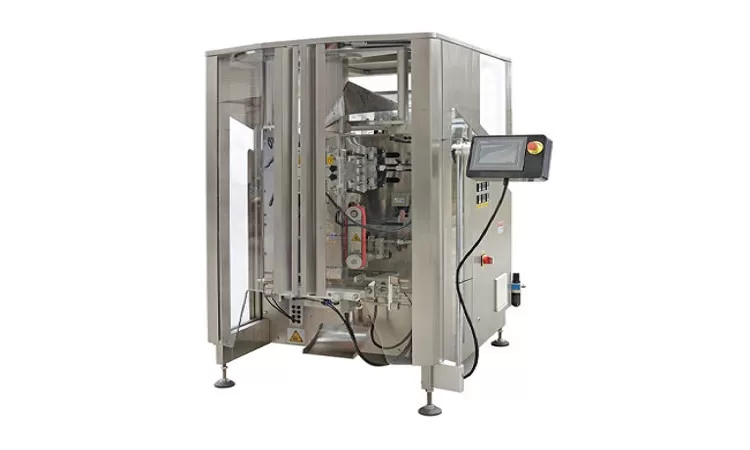
VFFS Equipment: The Ultimate Guide to Vertical Form Fill Seal Technology
13-03-2026 -
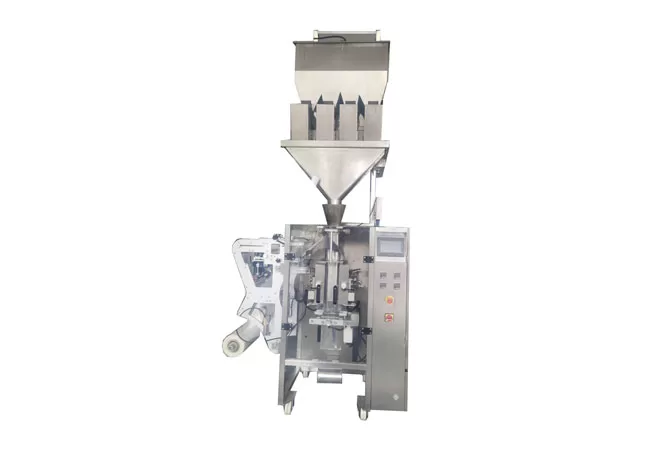
The Essential Guide to Weight Packing Machines for Precision Weighing
12-03-2026 -
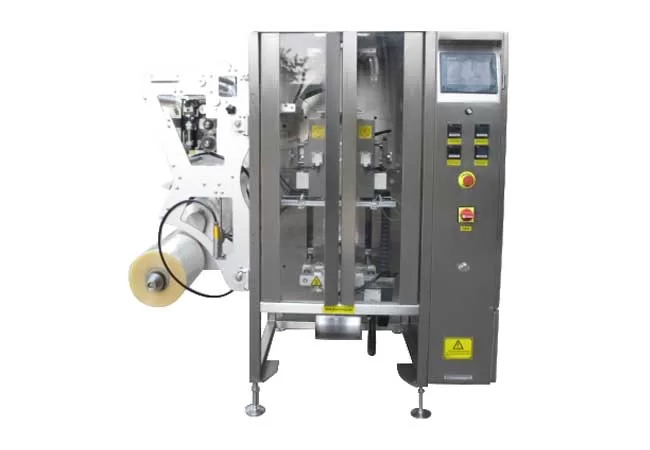
Power Packing Machine: The Ultimate Guide to Heavy-Duty Packaging Efficiency
11-03-2026 -
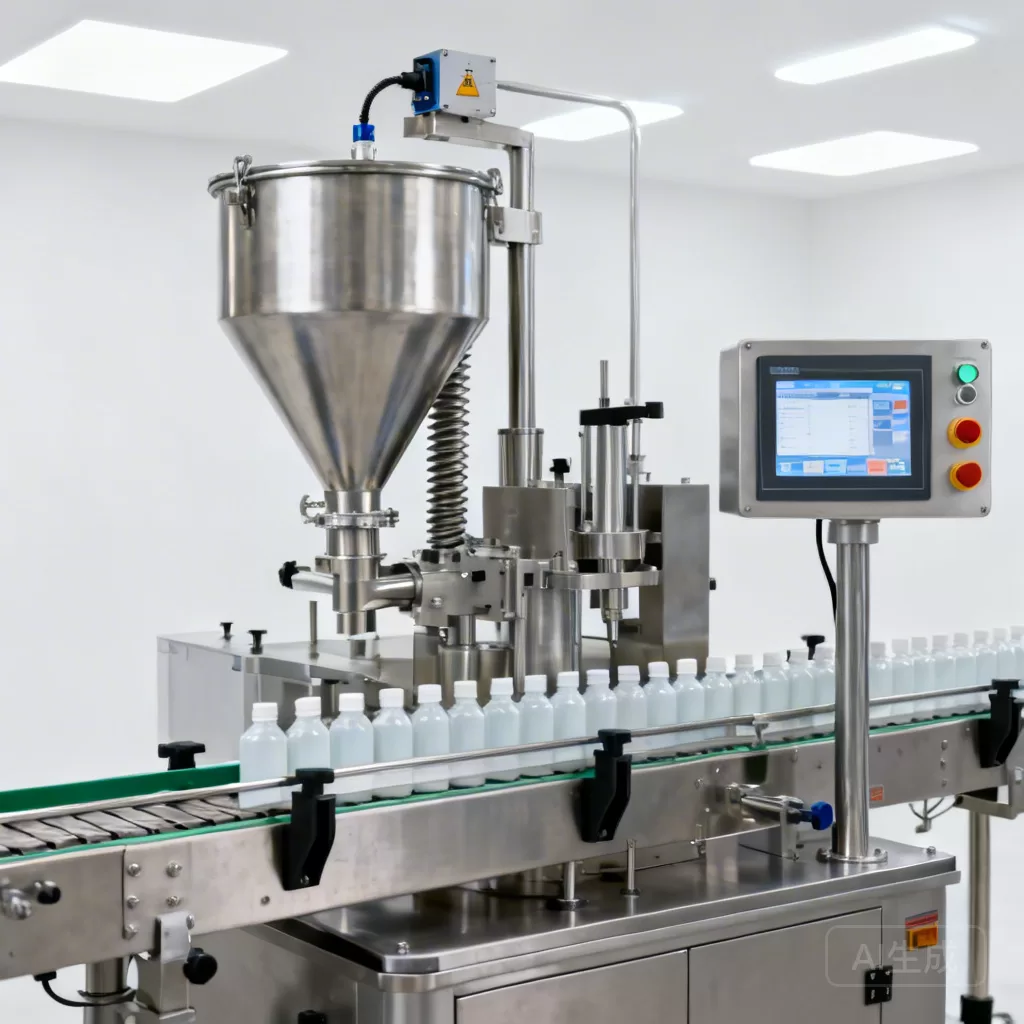
Weigher Packing Machine: The Definitive Guide to Precision Weighing & Packaging
10-03-2026 -
Auger Type Powder Filling Machine: The Ultimate Guide to Precision Packaging
09-03-2026 -
Advanced Packing Solutions: Snacks, Sugar, and Frozen Food Machines
29-10-2025 -
Efficient and Reliable Solutions for Salt, Nuts, and Frozen Dumplings Packing
29-10-2025 -
High-Performance Biscuits, Lollipop, and Ketchup Packing Machines for Modern Food Production
29-10-2025 -
Efficient Liquid Filling and Packing Machines for Modern Production
23-10-2025 -
Reliable Granule Packaging Machines for Efficient Production
23-10-2025
