
Why Safety Considerations Are Important for Net Weight Filling
Think about a world where every package you buy contained the exact amount of product you expect. No more underfilled cereal boxes or deceptively plump bags of chips. In this utopian realm, net weight filling machines reign supreme, ensuring accuracy and consumer trust. However, behind the scenes, the safety precautions surrounding these machines are often overlooked, potentially jeopardizing the health of operators and consumers alike.
The Perils of Mishandling
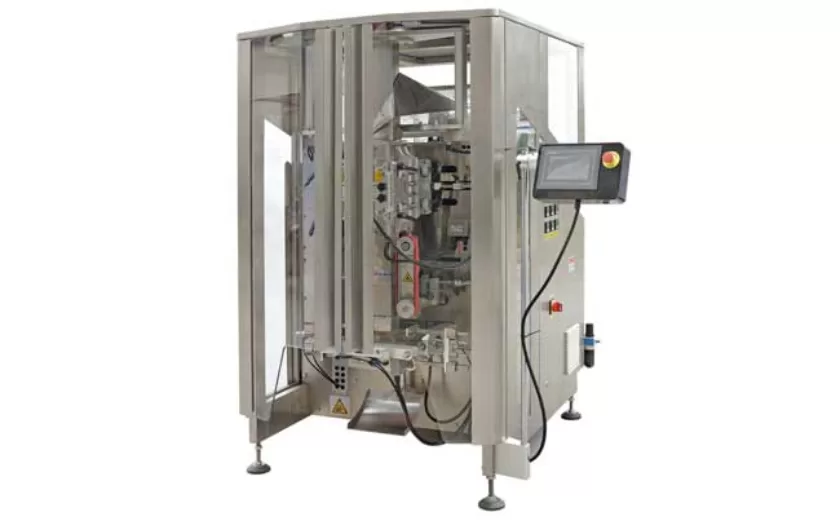
Net weight filling machines are complex and powerful pieces of equipment, capable of moving heavy weights at high speeds. Without proper safety precautions, these machines can pose serious risks of injury to operators. Entanglement in moving parts, crushing hazards, and electrical accidents are just a few of the potential dangers.
Moreover, poorly maintained machines can lead to product contamination, compromising consumer health. Leaking seals, improper cleaning, and cross-contamination can introduce foreign objects or harmful bacteria into the products being filled. The consequences can be severe, ranging from mild discomfort to life-threatening illnesses.
Legal Liabilities and Reputational Damage
Overlooking safety considerations can also have serious legal implications. If an employee is injured or a product is contaminated due to negligence in safety protocols, the company could face lawsuits, fines, and even criminal charges. Additionally, the company’s reputation can be irreparably damaged, leading to lost customers and diminished brand value.
Best Practices for Safe Net Weight Filling
Ensuring the safety of net weight filling operations requires a comprehensive approach, including:
Operator training: Thoroughly training operators on machine operation, safety procedures, and emergency protocols is paramount.
Machine maintenance: Regular inspections, cleaning, and lubrication of machines are essential to prevent malfunction and ensure proper operation.
Hazard identification: Conduct thorough risk assessments to identify potential hazards associated with the machines and develop mitigation strategies.
Safety guards and interlocks: Install physical barriers, such as guards and interlocks, to prevent accidental contact with moving parts.
Emergency procedures: Establish clear and accessible emergency procedures in case of accidents or equipment failure.
Safety considerations should never be an afterthought in net weight filling operations. By prioritizing the safety of operators and consumers, companies can mitigate risks, uphold legal compliance, and protect their reputation. Neglecting these precautions can have far-reaching consequences, potentially damaging lives, businesses, and the trust of consumers. It is imperative that all stakeholders recognize and embrace the importance of safety in this critical industry.


-
VFFS Equipment: The Ultimate Guide to Vertical Form Fill Seal Technology
13-03-2026 -
The Essential Guide to Weight Packing Machines for Precision Weighing
12-03-2026 -
Power Packing Machine: The Ultimate Guide to Heavy-Duty Packaging Efficiency
11-03-2026 -
Weigher Packing Machine: The Definitive Guide to Precision Weighing & Packaging
10-03-2026 -
Auger Type Powder Filling Machine: The Ultimate Guide to Precision Packaging
09-03-2026 -
Advanced Packing Solutions: Snacks, Sugar, and Frozen Food Machines
29-10-2025 -
Efficient and Reliable Solutions for Salt, Nuts, and Frozen Dumplings Packing
29-10-2025 -
High-Performance Biscuits, Lollipop, and Ketchup Packing Machines for Modern Food Production
29-10-2025 -
Efficient Liquid Filling and Packing Machines for Modern Production
23-10-2025 -
Reliable Granule Packaging Machines for Efficient Production
23-10-2025
