
When to Use PET vs. Glass Bottles for Pure Water Packaging
Water: The Elixir of Life
Quenching our thirst with pure, refreshing water is essential for our well-being. But what’s the best way to package this life-giving liquid? The choice between PET (polyethylene terephthalate) and glass bottles is a crucial decision that can impact the taste, safety, and environmental sustainability of our bottled water.
PET Bottles: Practical and Lightweight
PET bottles are lightweight, shatterproof, and inexpensive to produce. They boast exceptional clarity and can be easily reshaped, making them ideal for distribution and branding purposes. However, PET can release trace amounts of chemicals into water over time, raising concerns about potential health risks.
Glass Bottles: Timeless and Environmentally Friendly
Glass bottles offer an inert and impermeable barrier, preserving the taste, safety, and purity of water without any chemical leaching. They are durable, reusable, and infinitely recyclable, making them an environmentally friendly choice. However, glass is heavier and more fragile than PET, which can impact transportation costs and consumer safety.
Choosing the Right Container
The ideal choice between PET and glass bottles depends on several factors:
– Taste and Safety: Glass bottles maintain the purity of water, preventing chemical leaching or off-tastes.
– Sustainability: Glass is infinitely recyclable, while PET bottles are typically recycled once, making glass a more environmentally friendly option.
– Cost: PET bottles are significantly cheaper to produce and transport than glass bottles.
– Distribution and Safety: PET bottles are lightweight and shatterproof, making them easier and safer to distribute.
Recommendations
For short-term storage and single-use applications, PET bottles provide a practical and cost-effective solution. However, for long-term storage, preservation of taste, and environmental sustainability, glass bottles are the superior choice.
The choice between PET and glass bottles for pure water packaging is a balance between cost, convenience, safety, and environmental concerns. By understanding the advantages and limitations of each type of container, consumers can make informed decisions that ensure they quench their thirst with the purest and most sustainable water possible.


-
VFFS Equipment: The Ultimate Guide to Vertical Form Fill Seal Technology
13-03-2026 -
The Essential Guide to Weight Packing Machines for Precision Weighing
12-03-2026 -
Power Packing Machine: The Ultimate Guide to Heavy-Duty Packaging Efficiency
11-03-2026 -
Weigher Packing Machine: The Definitive Guide to Precision Weighing & Packaging
10-03-2026 -
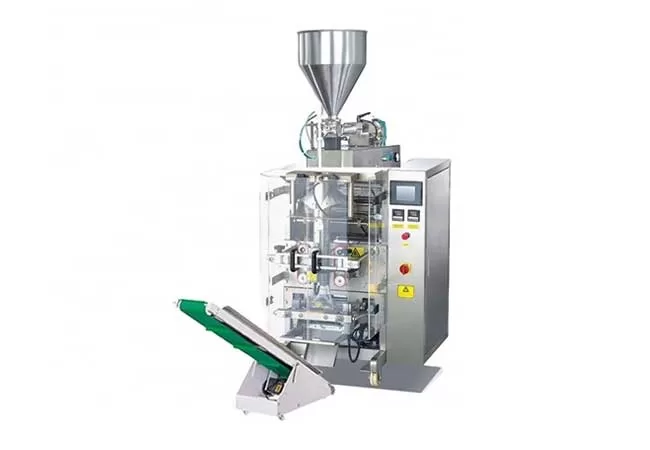
Auger Type Powder Filling Machine: The Ultimate Guide to Precision Packaging
09-03-2026 -
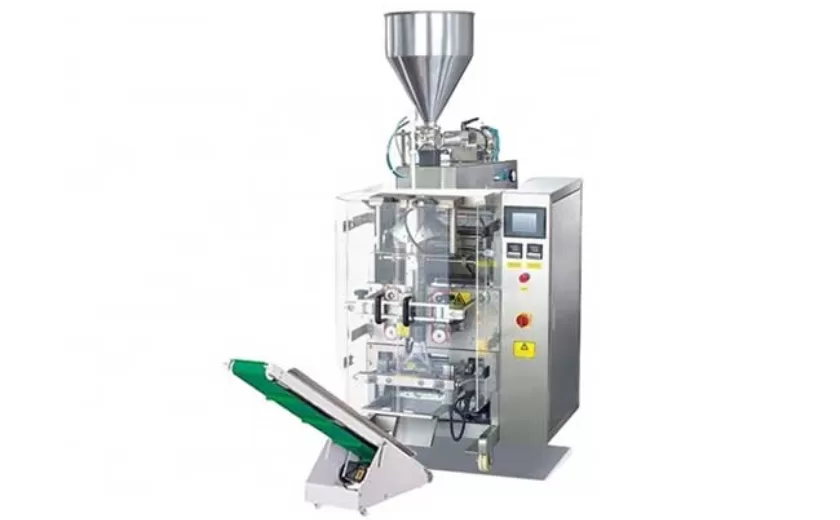
Advanced Packing Solutions: Snacks, Sugar, and Frozen Food Machines
29-10-2025 -
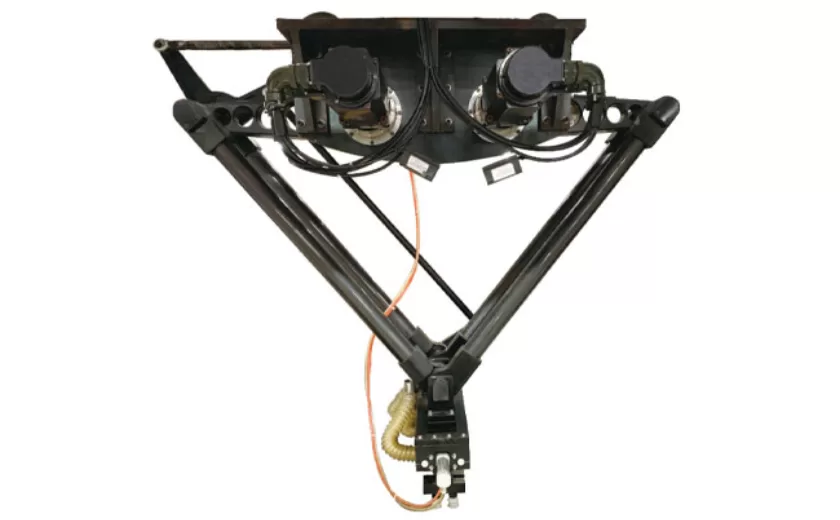
Efficient and Reliable Solutions for Salt, Nuts, and Frozen Dumplings Packing
29-10-2025 -
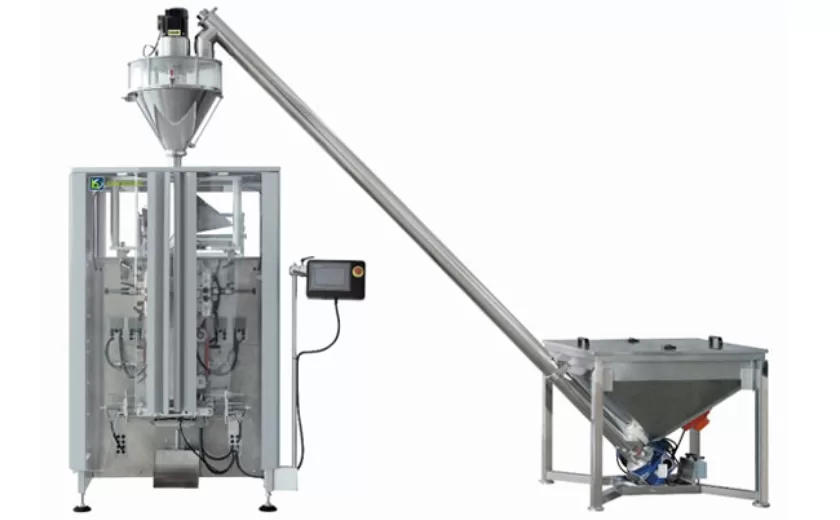
High-Performance Biscuits, Lollipop, and Ketchup Packing Machines for Modern Food Production
29-10-2025 -
Efficient Liquid Filling and Packing Machines for Modern Production
23-10-2025 -
Reliable Granule Packaging Machines for Efficient Production
23-10-2025
