
What Are the Best Practices for Using a High-Speed Flow Wrap Machine?
In today’s competitive packaging industry, high-speed flow wrap machines have emerged as indispensable tools for businesses seeking efficiency and precision. Operating these machines at their optimal performance requires adhering to best practices that ensure not only exceptional product quality but also maximized productivity and safety.
1. Machine Selection and Installation:
Selecting the appropriate flow wrap machine is crucial. Consider the product’s dimensions, packaging materials, and desired throughput. Proper installation ensures stability, prevents vibrations, and reduces the risk of accidents.
2. Operator Training and Safety:
Thoroughly training operators is essential for safe and efficient operation. Familiarizing them with machine controls, maintenance procedures, and safety guidelines is paramount. Protective equipment, such as gloves and safety glasses, must be worn.
3. Film Preparation and Loading:
Using certified and compatible packaging film is critical. Ensure the correct roll size, film tension, and temperature settings to prevent film tearing or jamming. Proper loading and alignment minimize film waste and optimize machine performance.
4. Product Positioning and Sealing:
Accurately positioning the product within the flow wrapper is vital. Consistent sealing ensures airtight packaging, preventing product spoilage or contamination. Monitor seal temperature and pressure to achieve optimal adhesion.
5. Troubleshooting and Maintenance:
Understanding common troubleshooting techniques empowers operators to swiftly resolve minor issues. Regular maintenance, including cleaning, lubrication, and periodic inspections, extends machine life and prevents costly breakdowns.
6. Production Optimization:
Optimizing machine settings, such as belt speed and dwell time, can significantly increase throughput without compromising quality. Experiment with different settings to find the ideal balance between speed and reliability.
7. Data Monitoring and Quality Control:
Monitor machine performance metrics, such as throughput and downtime, to identify areas for improvement. Implement quality control measures to ensure consistent product packaging and prevent defects.
8. Safety Precautions:
Always follow safety guidelines. Keep hands away from moving parts, wear appropriate clothing, and avoid distractions during operation. Regular machine inspections and risk assessments minimize potential hazards.
By adhering to these best practices, businesses can harness the full potential of high-speed flow wrap machines. They will enhance packaging quality, maximize productivity, ensure workplace safety, and gain a competitive edge in the market.


-
VFFS Equipment: The Ultimate Guide to Vertical Form Fill Seal Technology
13-03-2026 -
The Essential Guide to Weight Packing Machines for Precision Weighing
12-03-2026 -
Power Packing Machine: The Ultimate Guide to Heavy-Duty Packaging Efficiency
11-03-2026 -
Weigher Packing Machine: The Definitive Guide to Precision Weighing & Packaging
10-03-2026 -
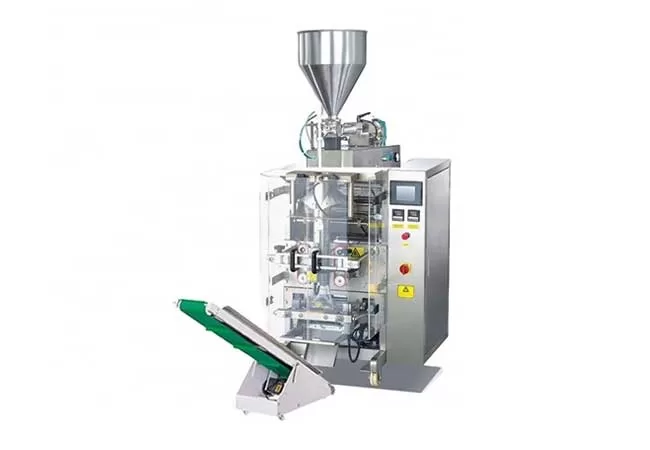
Auger Type Powder Filling Machine: The Ultimate Guide to Precision Packaging
09-03-2026 -
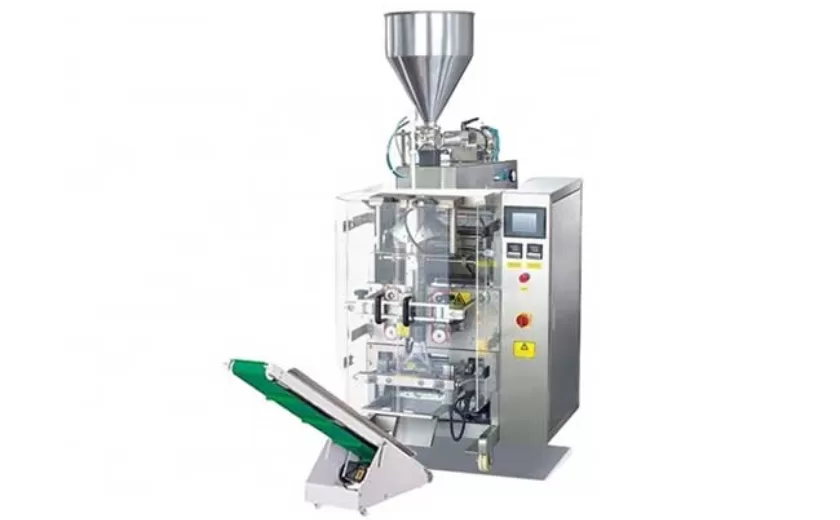
Advanced Packing Solutions: Snacks, Sugar, and Frozen Food Machines
29-10-2025 -
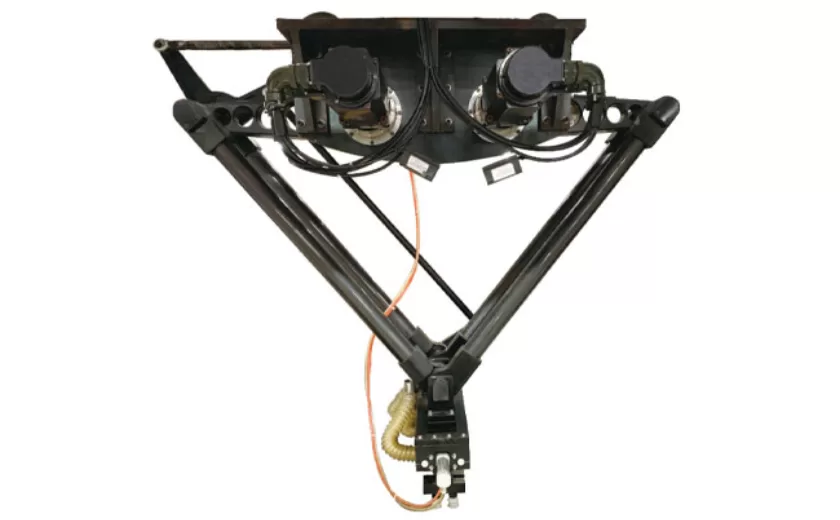
Efficient and Reliable Solutions for Salt, Nuts, and Frozen Dumplings Packing
29-10-2025 -
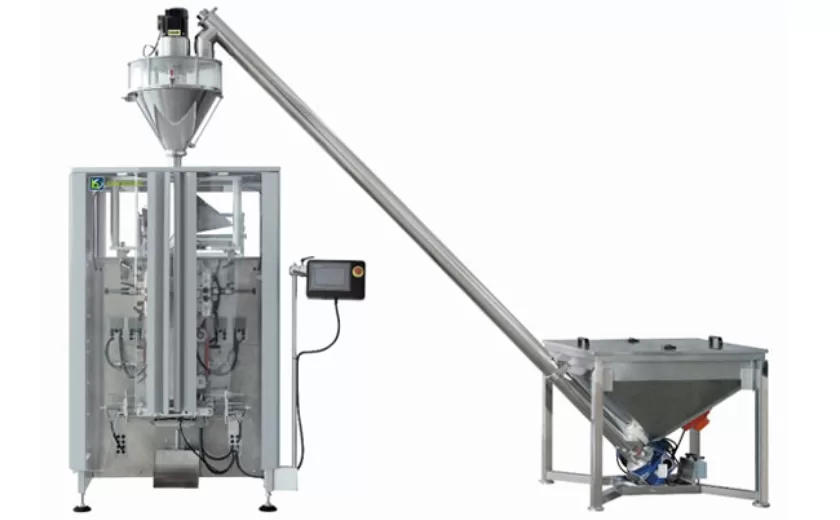
High-Performance Biscuits, Lollipop, and Ketchup Packing Machines for Modern Food Production
29-10-2025 -
Efficient Liquid Filling and Packing Machines for Modern Production
23-10-2025 -
Reliable Granule Packaging Machines for Efficient Production
23-10-2025
