
Understanding the Regulatory Standards for Vertical Wrapping
Vertical wrapping is a crucial process in various industries, ensuring the preservation, protection, and safety of products during storage and transportation. Adhering to regulatory standards for vertical wrapping is paramount to maintain product integrity, comply with industry best practices, and safeguard consumer welfare. This article explores the comprehensive regulatory standards governing vertical wrapping, providing insights into their significance and implications.
Why Are Regulatory Standards for Vertical Wrapping Important?
Regulatory standards for vertical wrapping are essential for several reasons:
Ensuring Product Safety: Vertical wrapping serves as a protective barrier against external contaminants, moisture, and tampering, maintaining product safety and preventing spoilage or contamination.
Maintaining Product Quality: Proper vertical wrapping techniques help preserve product quality by preventing physical damage, oxidation, and deterioration.
Facilitating Product Identification and Traceability: Vertical wrapping often includes product information, labels, and barcodes that aid in efficient identification and traceability throughout the supply chain.
Complying with Consumer Regulations: Regulatory standards ensure that vertical wrapping materials meet safety requirements and do not pose any health hazards to consumers.
Key Components of Vertical Wrapping Regulatory Standards
Regulatory standards for vertical wrapping encompass various elements:
Material Requirements
Food-Grade Materials: In food-related industries, vertical wrapping materials must comply with food safety regulations and be non-toxic, odorless, and inert to prevent migration of harmful substances into the food.
Strength and Durability: Vertical wrapping materials must exhibit sufficient strength and durability to withstand handling, transportation, and storage conditions.
Barrier Properties: Materials must possess adequate barrier properties against moisture, oxygen, and other environmental factors that could compromise product integrity.
Operational Procedures
Equipment Safety: Machinery used for vertical wrapping must adhere to safety standards, including electrical safety, guarding against moving parts, and operator safety training.
Hygiene and Sanitation: Vertical wrapping operations must maintain hygienic conditions to prevent contamination and ensure product safety.
Product Inspection: Regular inspections should be conducted to verify proper wrapping techniques, ensure product integrity, and identify any defects or inconsistencies.
Documentation and Traceability
Quality Control Records: Detailed documentation of vertical wrapping procedures, materials used, and inspection results is essential for traceability and quality control.
Labeling Requirements: Product labels must provide accurate information about the product, including ingredients, nutritional value, and handling instructions, as per regulatory guidelines.
Barcodes and Serialization: Barcodes and serialization facilitate efficient tracking and tracing of products throughout the supply chain.
Industry-Specific Regulations
Food Industry: Vertical wrapping in the food industry is subject to specific food safety regulations, such as Hazard Analysis and Critical Control Points (HACCP) and the Food Safety Modernization Act (FSMA).
Pharmaceutical Industry: Vertical wrapping in the pharmaceutical industry must comply with Good Manufacturing Practices (GMP), ensuring product quality, consistency, and safety.
Other Industries: Vertical wrapping standards may vary across industries, depending on the nature of products and their intended use.
Understanding and adhering to regulatory standards for vertical wrapping is crucial for businesses to ensure product safety, maintain quality, facilitate traceability, and comply with industry best practices. By implementing comprehensive vertical wrapping procedures that meet regulatory requirements, businesses can protect consumers, preserve product integrity, and enhance their overall operational efficiency.


-
VFFS Equipment: The Ultimate Guide to Vertical Form Fill Seal Technology
13-03-2026 -
The Essential Guide to Weight Packing Machines for Precision Weighing
12-03-2026 -
Power Packing Machine: The Ultimate Guide to Heavy-Duty Packaging Efficiency
11-03-2026 -

Weigher Packing Machine: The Definitive Guide to Precision Weighing & Packaging
10-03-2026 -
Auger Type Powder Filling Machine: The Ultimate Guide to Precision Packaging
09-03-2026 -
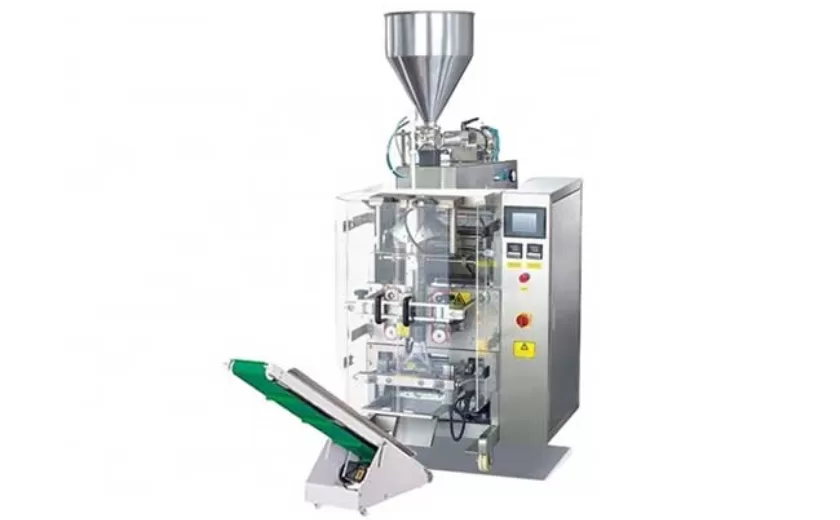
Advanced Packing Solutions: Snacks, Sugar, and Frozen Food Machines
29-10-2025 -
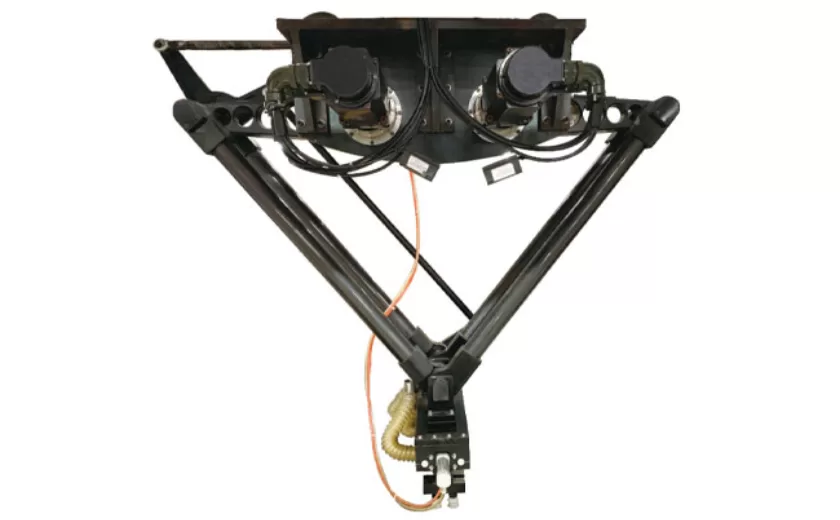
Efficient and Reliable Solutions for Salt, Nuts, and Frozen Dumplings Packing
29-10-2025 -
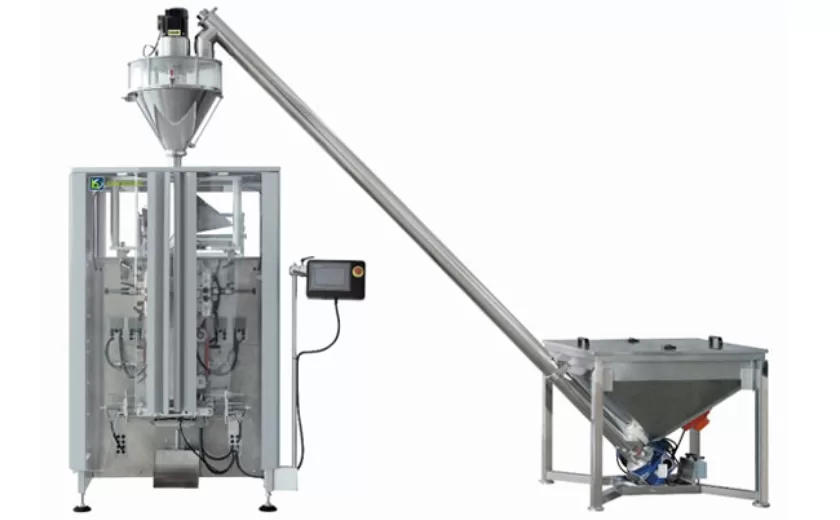
High-Performance Biscuits, Lollipop, and Ketchup Packing Machines for Modern Food Production
29-10-2025 -
Efficient Liquid Filling and Packing Machines for Modern Production
23-10-2025 -
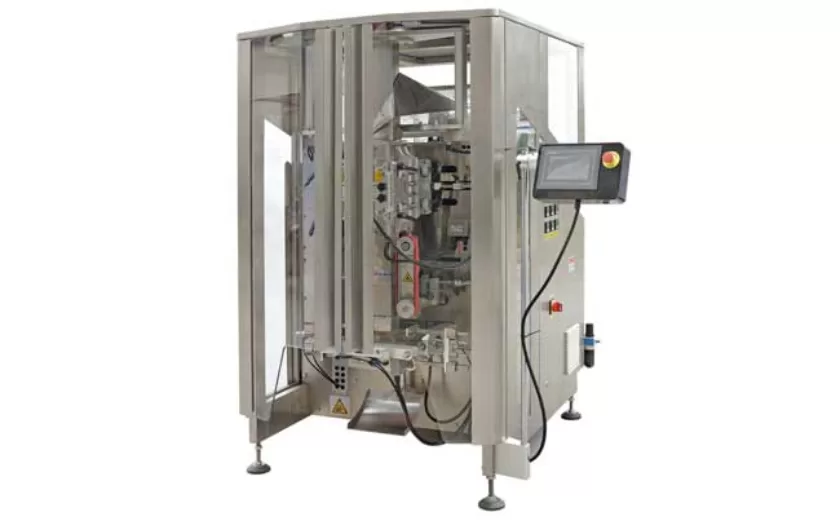
Reliable Granule Packaging Machines for Efficient Production
23-10-2025
