
Training Your Team on Pickle Pouch Packing Equipment
Training Your Team on Pickle Pouch Packing Equipment: A Comprehensive Guide
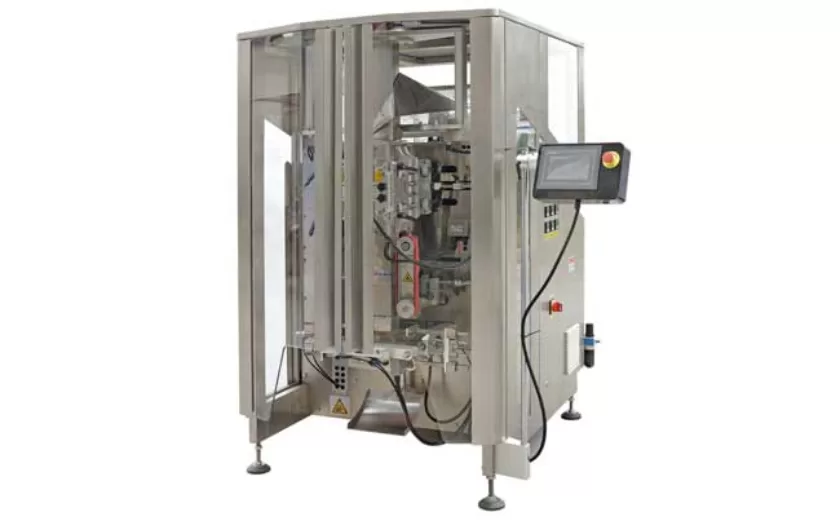
Pickle pouch packing equipment is an essential tool for any food production facility that packages pickles. It ensures that pickles are packed in a consistent and efficient manner, resulting in a high-quality product. Training your team on how to properly operate this equipment is crucial to maintain productivity and minimize downtime.
Benefits of Proper Training
Comprehensive training provides several benefits:
– Improved efficiency: Trained operators can operate the equipment faster and more accurately, leading to increased productivity.
– Reduced downtime: Thorough understanding of the equipment reduces the likelihood of breakdowns and allows for quicker troubleshooting.
– Enhanced quality: Proper handling and operation of the equipment helps maintain the integrity and quality of the pickles.
– Safety compliance: Trained operators follow established safety protocols, reducing the risk of accidents and ensuring workplace safety.
Training Modules
To ensure effective training, consider the following modules:
Equipment Familiarization
– Introduction to the equipment, its components, and functions
– Overview of the packing process, from pouch loading to sealing
– Explanation of safety features and controls
Operating Procedures
– Step-by-step instructions on how to load, operate, and adjust the equipment
– Troubleshooting common issues and maintenance procedures
– Best practices for maintaining equipment cleanliness and efficiency
Product Handling
– Techniques for handling pickles to prevent damage
– Proper storage methods to ensure quality and longevity
– Inspection procedures to identify defective pickles and maintain product quality
Quality Control
– Monitoring techniques to ensure proper pouch fill and seal integrity
– Visual inspection methods to detect any imperfections
– Statistical process control for continuous quality improvement
Safety Protocols
– Hazard identification and risk assessment
– Emergency response procedures
– Personal protective equipment and safe work practices
Training Delivery
Effective training can be delivered through a combination of methods:
– Classroom instruction: Introduce concepts and demonstrate procedures.
– Hands-on practice: Offer supervised operation of the equipment.
– Simulation exercises: Provide a realistic environment to practice skills.
– On-the-job training: Guide operators during actual production shifts.
Assessment and Evaluation
To assess the effectiveness of training, consider the following methods:
– Skill assessments: Evaluate operators’ ability to perform specific tasks.
– Knowledge tests: Test operators’ understanding of equipment concepts and procedures.
– Observation and feedback: Monitor operators’ performance on the job and provide constructive feedback.
– Performance tracking: Establish metrics to measure productivity, quality, and safety outcomes.


-
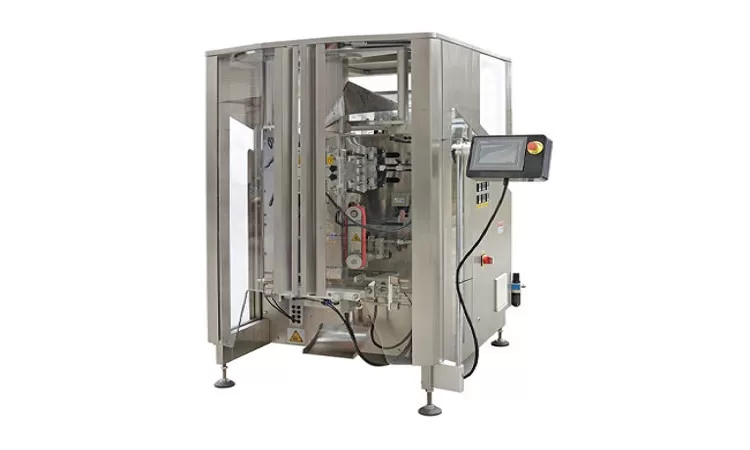
VFFS Equipment: The Ultimate Guide to Vertical Form Fill Seal Technology
13-03-2026 -
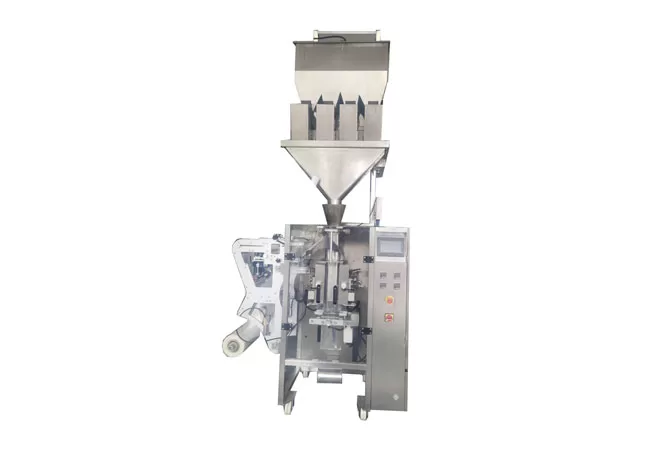
The Essential Guide to Weight Packing Machines for Precision Weighing
12-03-2026 -
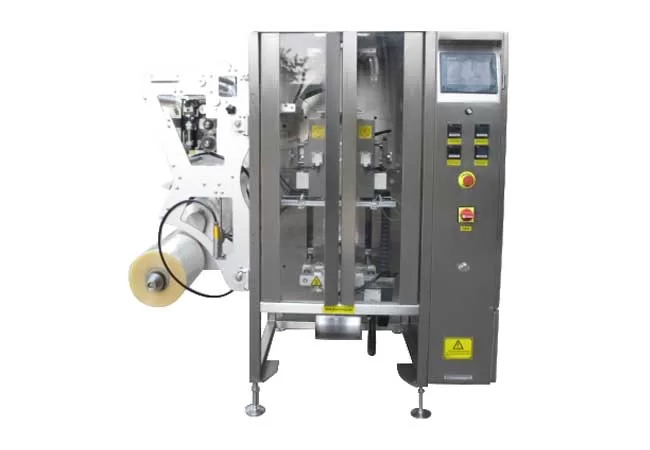
Power Packing Machine: The Ultimate Guide to Heavy-Duty Packaging Efficiency
11-03-2026 -
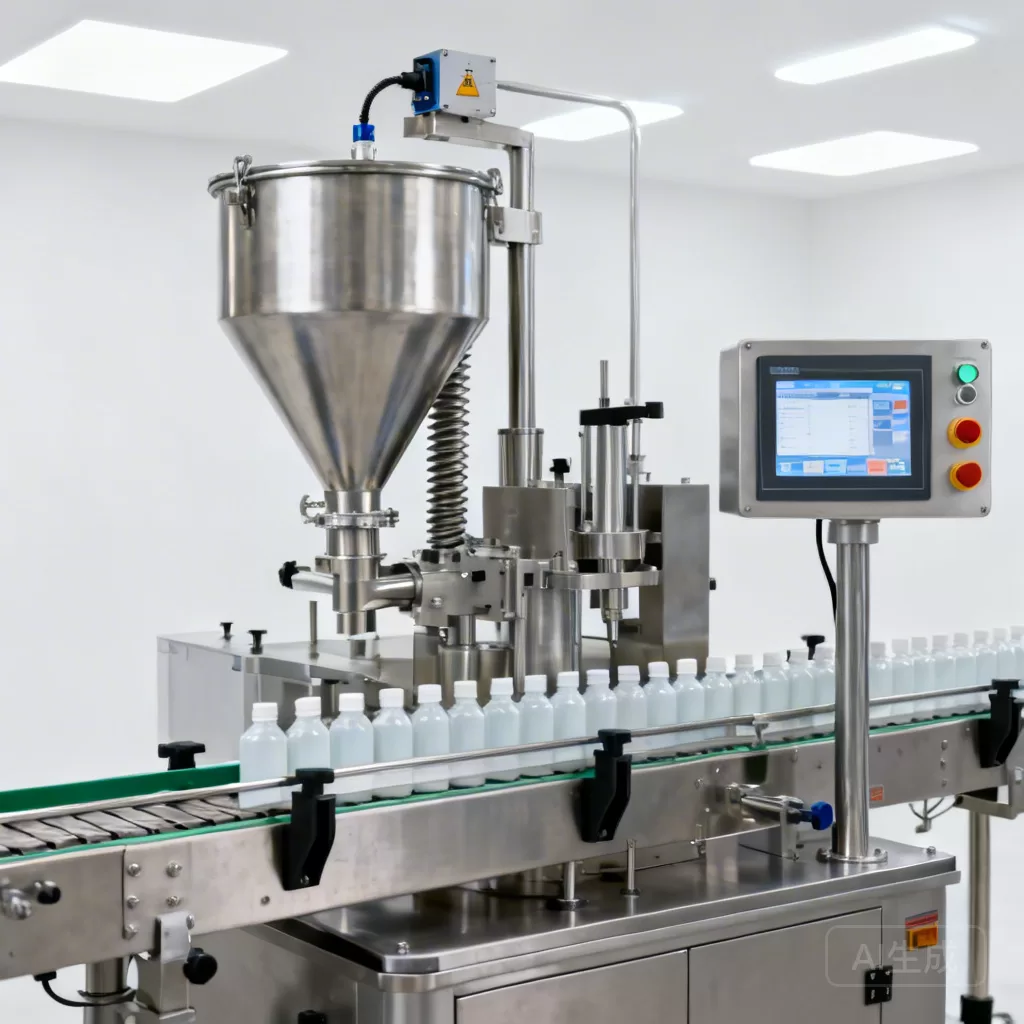
Weigher Packing Machine: The Definitive Guide to Precision Weighing & Packaging
10-03-2026 -
Auger Type Powder Filling Machine: The Ultimate Guide to Precision Packaging
09-03-2026 -
Advanced Packing Solutions: Snacks, Sugar, and Frozen Food Machines
29-10-2025 -
Efficient and Reliable Solutions for Salt, Nuts, and Frozen Dumplings Packing
29-10-2025 -
High-Performance Biscuits, Lollipop, and Ketchup Packing Machines for Modern Food Production
29-10-2025 -
Efficient Liquid Filling and Packing Machines for Modern Production
23-10-2025 -
Reliable Granule Packaging Machines for Efficient Production
23-10-2025
