
The Science Behind Automatic Weight Filling- How It Works
In the realm of manufacturing, where precision and efficiency reign supreme, the art of automatic weight filling has emerged as a game-changer. This marvel of engineering has revolutionized the way we package and dispense products, from food and beverages to pharmaceuticals and chemicals. But how exactly does automatic weight filling work? Let’s unravel the intriguing science behind this remarkable process.
The Heart of the Machine: Load Cells
At the core of automatic weight fillers lie sophisticated load cells. These sensors, often made from strain gauges, measure the force exerted on them. When filled with a product, the load cells detect the weight and transmit the signal to a controller.
Interfacing with the Controller
The controller is the brains of the operation. It receives weight data from the load cells and compares it to a predefined target weight. Based on the difference between the actual and target weights, the controller adjusts the flow rate of the product into the container.
Feedback Loops: The Keystone of Precision
The controller continuously monitors the weight and adjusts the flow rate in real-time. This feedback loop ensures that each container is filled with the precise amount of product, eliminating overfilling or underfilling.
Types of Filling Mechanisms
Automatic weight fillers employ various mechanisms to dispense the product. These include:
Volumetric Dispensers: Measure the volume of the product and dispense it into containers.
Gravity Feeders: Allow the product to flow from a hopper into containers under the influence of gravity.
Pneumatic or Hydraulic Feeders: Use compressed air or hydraulic fluid to push the product into containers.
Key Benefits
Automatic weight filling offers numerous advantages over manual methods:
Enhanced Accuracy: Eliminates human error, ensuring consistent filling weights.
Increased Productivity: Automating the process frees up workers for other tasks.
Reduced Product Waste: Precise filling prevents overfilling and spillage.
Improved Safety: Eliminates the risk of manual handling accidents.
Conclusion
Automatic weight filling is a testament to the power of science and engineering. By harnessing the principles of force measurement and feedback control, it has transformed the packaging industry, delivering precise and efficient filling operations. From the food we eat to the medications we take, automatic weight filling plays a vital role in ensuring the quality and safety of countless products we rely on every day.


-
VFFS Equipment: The Ultimate Guide to Vertical Form Fill Seal Technology
13-03-2026 -
The Essential Guide to Weight Packing Machines for Precision Weighing
12-03-2026 -
Power Packing Machine: The Ultimate Guide to Heavy-Duty Packaging Efficiency
11-03-2026 -
Weigher Packing Machine: The Definitive Guide to Precision Weighing & Packaging
10-03-2026 -
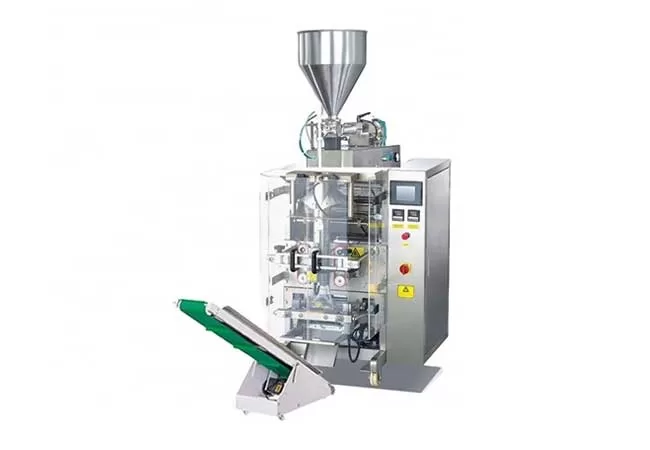
Auger Type Powder Filling Machine: The Ultimate Guide to Precision Packaging
09-03-2026 -
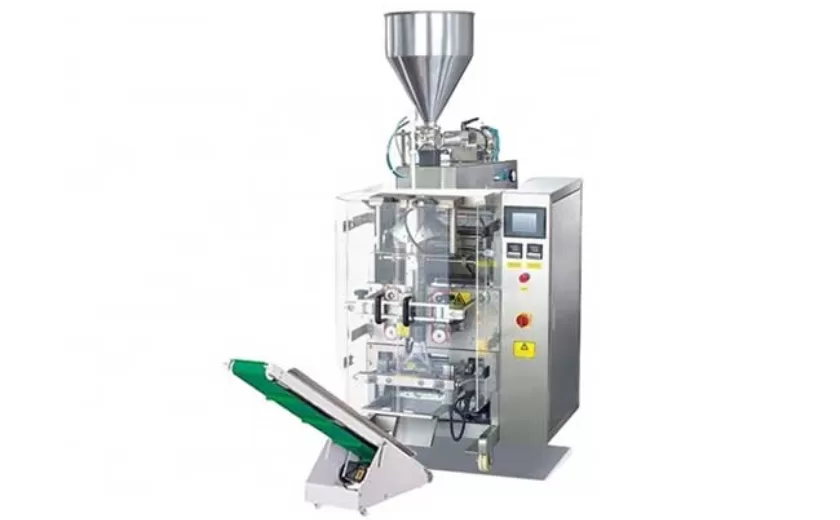
Advanced Packing Solutions: Snacks, Sugar, and Frozen Food Machines
29-10-2025 -
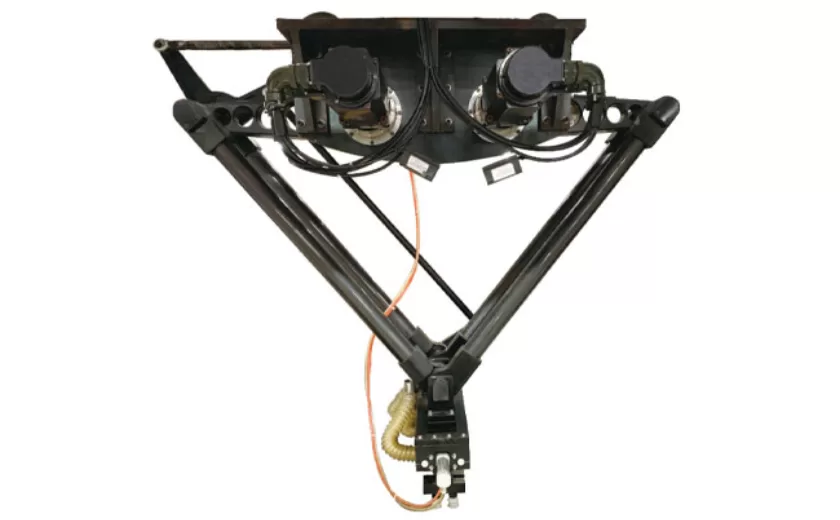
Efficient and Reliable Solutions for Salt, Nuts, and Frozen Dumplings Packing
29-10-2025 -
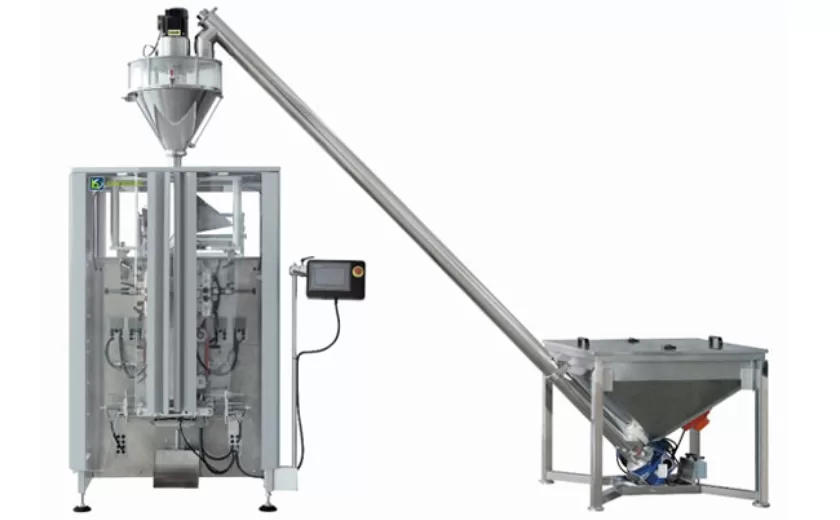
High-Performance Biscuits, Lollipop, and Ketchup Packing Machines for Modern Food Production
29-10-2025 -
Efficient Liquid Filling and Packing Machines for Modern Production
23-10-2025 -
Reliable Granule Packaging Machines for Efficient Production
23-10-2025
