
The Future of Liquid Milk Packing Technology
The global liquid milk packaging market is projected to reach a staggering $63.2 billion by 2026, driven by rising demand for convenience, safety, and sustainability. As the industry evolves, innovative technologies are emerging to transform the way liquid milk is packaged and delivered. Here’s a comprehensive look into the future of liquid milk packing technology:
Sustainable Packaging Revolution
Sustainability concerns have become paramount for consumers and manufacturers alike. Biodegradable and plant-based materials are gaining traction as viable alternatives to traditional plastic packaging. Paper-based cartons, made from renewable resources, offer a more eco-friendly option, while compostable bioplastics derived from plant sources can decompose naturally. Some companies are also exploring reusable packaging solutions, allowing consumers to return empty containers for recycling or refilling.
Smart Packaging for Enhanced Traceability
Smart packaging technologies are revolutionizing the transparency and traceability of liquid milk supply chains. Printed QR codes or RFID tags on packaging allow consumers to scan and access detailed information about the product, including its origin, freshness, and nutritional value. This enhanced transparency builds consumer trust and enables better food safety management. Furthermore, smart packaging can monitor temperature and detect spoilage, alerting retailers and consumers to potential quality issues.
Automated Packaging Systems
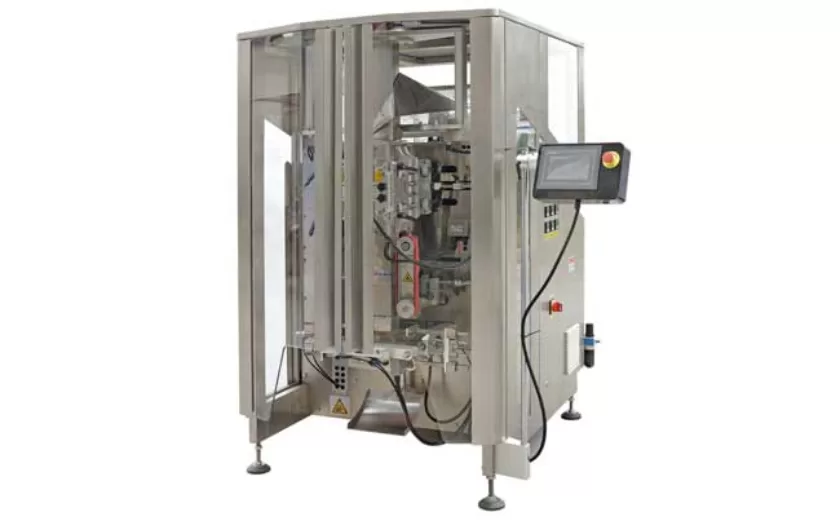
Automation is playing a critical role in optimizing liquid milk packaging processes. Automated filling and capping machines ensure precision and efficiency, minimizing waste and product contamination. Robotic palletizers and forklifts accelerate distribution and warehousing operations, reducing labor costs and improving overall productivity. In addition, advanced sensors and data analytics allow for real-time monitoring and control of the packaging line, maximizing uptime and minimizing downtime.
Extended Shelf Life Technologies
Consumers increasingly demand extended shelf life for liquid milk products. Aseptic packaging techniques, which involve sterilizing the packaging material and product before filling, significantly lengthen the shelf life of milk without compromising its quality. Modified atmosphere packaging (MAP) introduces a controlled gas mixture into the packaging to inhibit microbial growth and extend product freshness. Novel technologies like high-pressure processing (HPP) further enhance preservation by inactivating spoilage microorganisms.
Innovative Packaging Formats
The future of liquid milk packaging also includes innovative formats that cater to changing consumer needs. Single-serve packaging options, such as Tetra Paks and pouches, provide convenience and portability. On-the-go packaging, designed for easy consumption while commuting or exercising, is gaining popularity. Furthermore, portion-controlled packaging allows for precise measurement and reduces waste, particularly in foodservice and catering applications.
Continued Research and Development
The liquid milk packaging industry is constantly evolving, with ongoing research and development focused on sustainability, efficiency, and product safety. New materials, technologies, and packaging formats are being explored to meet the ever-changing demands of the market. Collaborative efforts between manufacturers, research institutions, and government agencies are fostering innovation and driving the future of liquid milk packing technology.
The future of liquid milk packing technology holds immense promise for enhancing sustainability, traceability, efficiency, shelf life, and consumer convenience. As technology continues to advance, we can expect the emergence of even more innovative and groundbreaking solutions that transform the way liquid milk is packaged and delivered.


-
VFFS Equipment: The Ultimate Guide to Vertical Form Fill Seal Technology
13-03-2026 -
The Essential Guide to Weight Packing Machines for Precision Weighing
12-03-2026 -
Power Packing Machine: The Ultimate Guide to Heavy-Duty Packaging Efficiency
11-03-2026 -
Weigher Packing Machine: The Definitive Guide to Precision Weighing & Packaging
10-03-2026 -
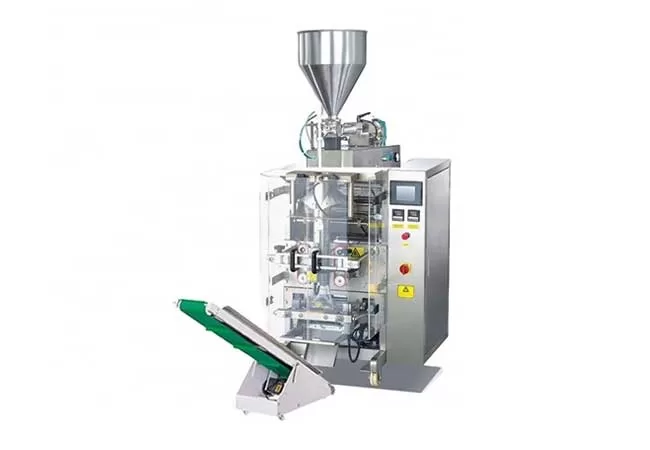
Auger Type Powder Filling Machine: The Ultimate Guide to Precision Packaging
09-03-2026 -
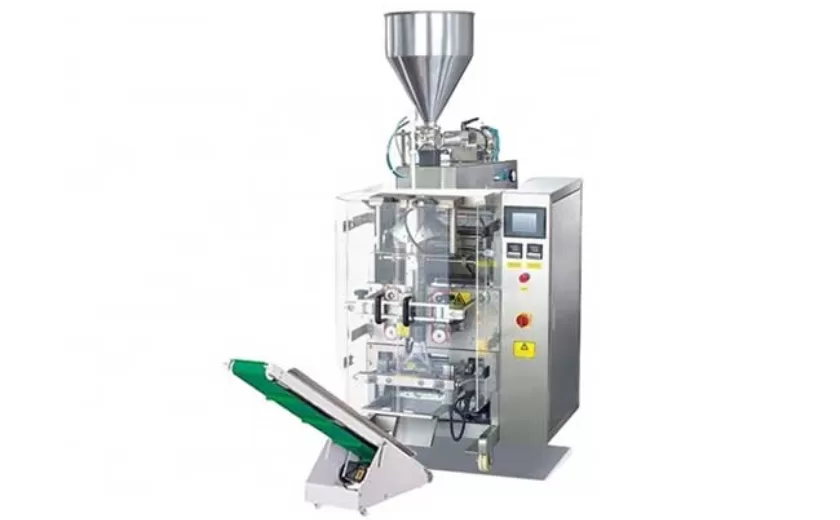
Advanced Packing Solutions: Snacks, Sugar, and Frozen Food Machines
29-10-2025 -
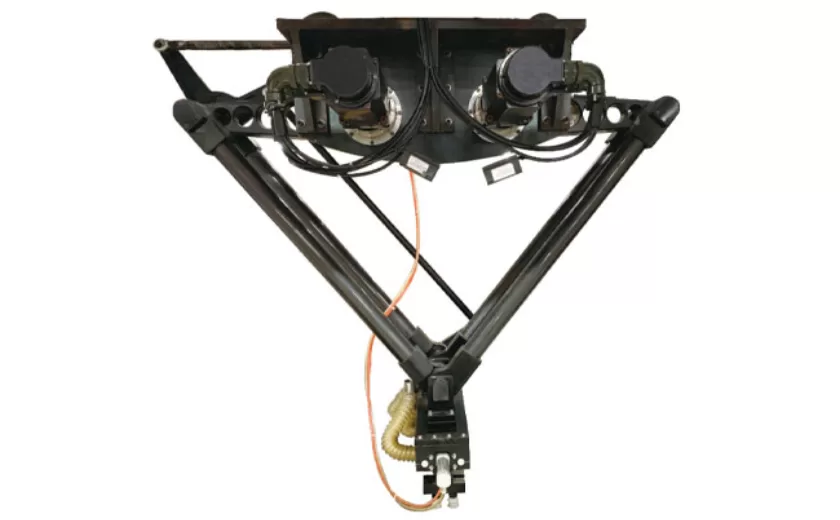
Efficient and Reliable Solutions for Salt, Nuts, and Frozen Dumplings Packing
29-10-2025 -
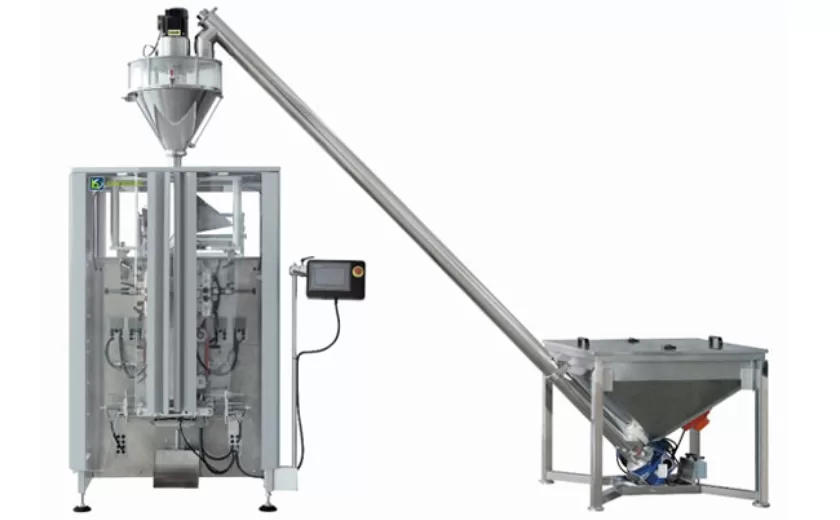
High-Performance Biscuits, Lollipop, and Ketchup Packing Machines for Modern Food Production
29-10-2025 -
Efficient Liquid Filling and Packing Machines for Modern Production
23-10-2025 -
Reliable Granule Packaging Machines for Efficient Production
23-10-2025
