
The Evolution of Semi-Automatic Weigh Filling Technology
Introduction
Semi-automatic weigh filling technology has revolutionized the packaging industry by automating the process of accurately dispensing liquids and powders into containers. This has led to significant improvements in production efficiency, product consistency, and overall cost-effectiveness. This article explores the evolution of semi-automatic weigh filling technology, highlighting its key milestones and transformative impact.
Early Beginnings: Manual Filling
Before the advent of semi-automatic filling machines, liquids and powders were filled manually using hand-operated scoops or volumetric dispensers. This process was not only time-consuming and labor-intensive but also prone to human error, leading to inconsistent fill weights and product loss.
Emergence of Semi-Automatic Weigh Fillers
The first semi-automatic weigh fillers emerged in the mid-20th century. These machines utilized a load cell to measure the weight of the product being dispensed, providing accuracy and consistency that was not possible with manual filling. Semi-automatic weigh fillers allowed for rapid filling of containers while reducing the risk of overfill or underfill.
Advancements in Load Cell Technology
Load cells are the heart of semi-automatic weigh fillers, and their accuracy and precision have significantly improved over time. Modern load cells employ strain gauge sensors that convert weight into an electrical signal, eliminating mechanical components that were prone to wear and tear. This has resulted in increased sensitivity and stability, ensuring accurate dispensing.
Integration of Automation
Semi-automatic weigh fillers have become increasingly automated in recent years. They can now be integrated with other packaging equipment, such as conveyors and capping machines, to create efficient and fully automated production lines. Advanced software and control systems enable these machines to monitor fill weights and adjust dispensing parameters in real-time, maintaining consistent product quality.
Packaging Compatibility and Flexibility
Modern semi-automatic weigh fillers are designed to handle a wide range of packaging types, including bottles, jars, cartons, and pouches. The versatility of these machines allows them to be used across multiple product lines, reducing the need for dedicated equipment for each type of container. This flexibility has made semi-automatic weigh fillers a valuable asset for manufacturers with diverse packaging requirements.
The evolution of semi-automatic weigh filling technology has transformed the packaging industry. From its humble beginnings as a manual process to today’s sophisticated and automated systems, semi-automatic weigh fillers have played a crucial role in improving production efficiency, ensuring product consistency, and reducing product loss. As technology continues to advance, we can expect further innovations in semi-automatic weigh filling technology, pushing the boundaries of automation and efficiency in the packaging sector.


-
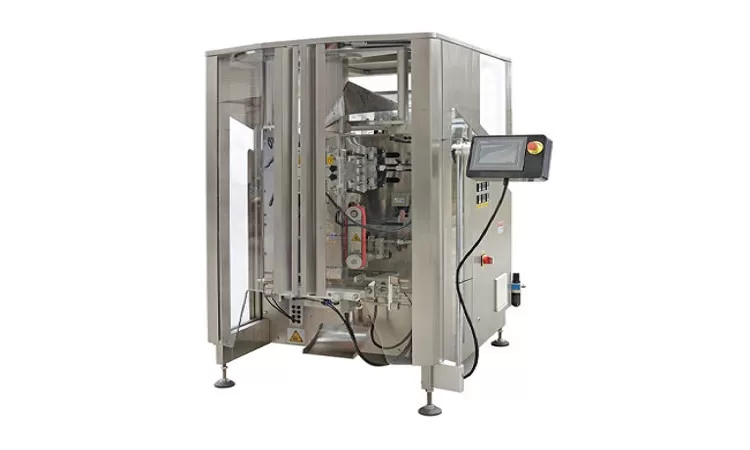
VFFS Equipment: The Ultimate Guide to Vertical Form Fill Seal Technology
13-03-2026 -
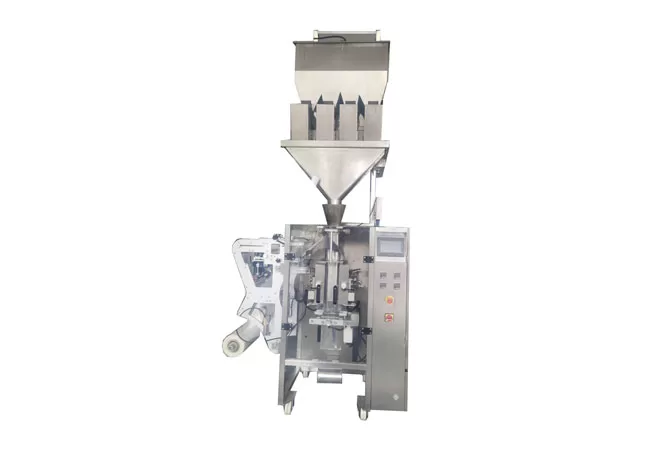
The Essential Guide to Weight Packing Machines for Precision Weighing
12-03-2026 -
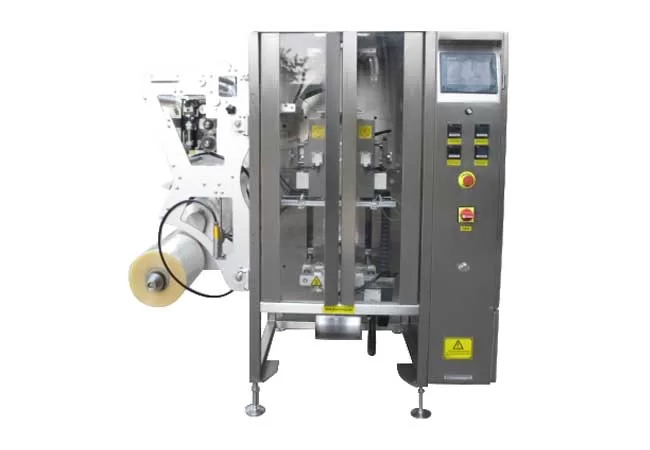
Power Packing Machine: The Ultimate Guide to Heavy-Duty Packaging Efficiency
11-03-2026 -
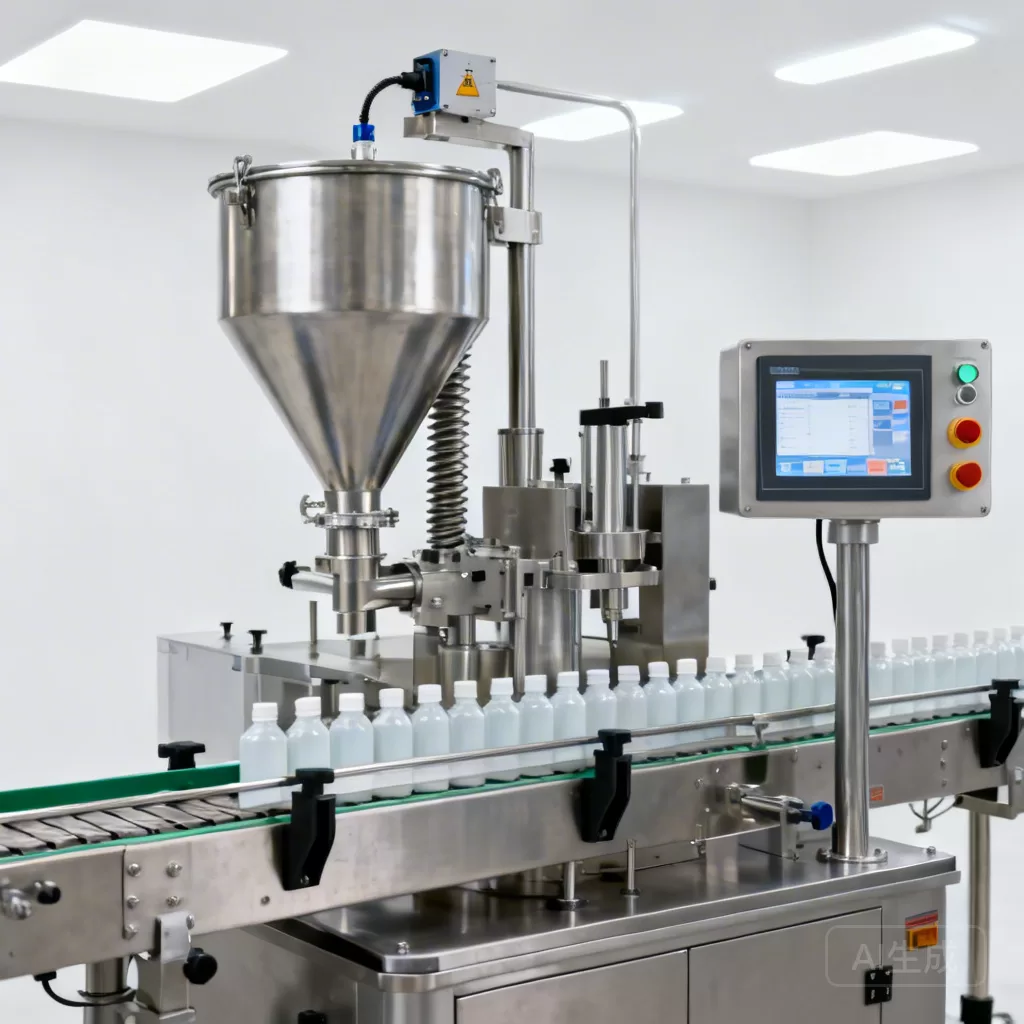
Weigher Packing Machine: The Definitive Guide to Precision Weighing & Packaging
10-03-2026 -
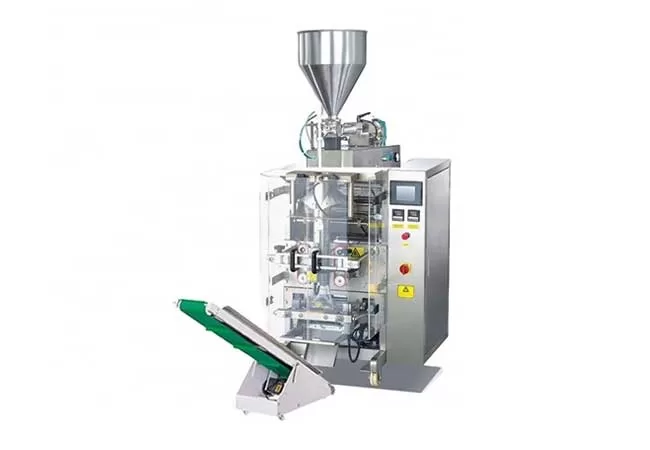
Auger Type Powder Filling Machine: The Ultimate Guide to Precision Packaging
09-03-2026 -
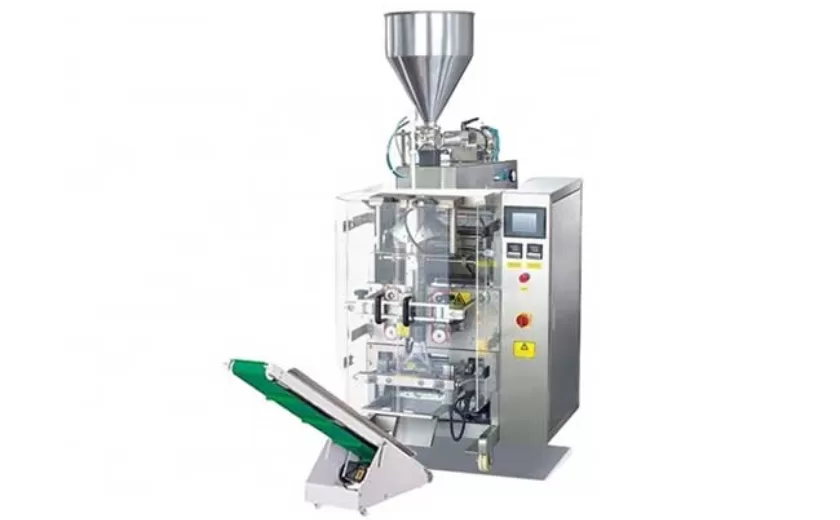
Advanced Packing Solutions: Snacks, Sugar, and Frozen Food Machines
29-10-2025 -
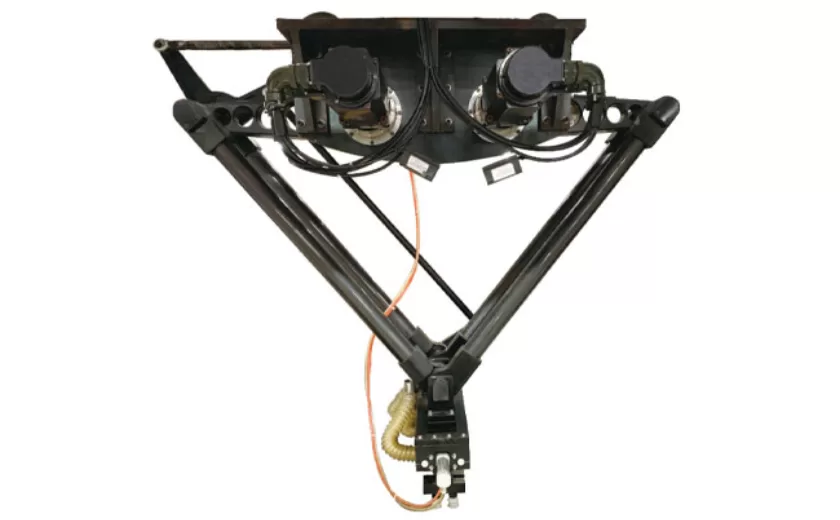
Efficient and Reliable Solutions for Salt, Nuts, and Frozen Dumplings Packing
29-10-2025 -
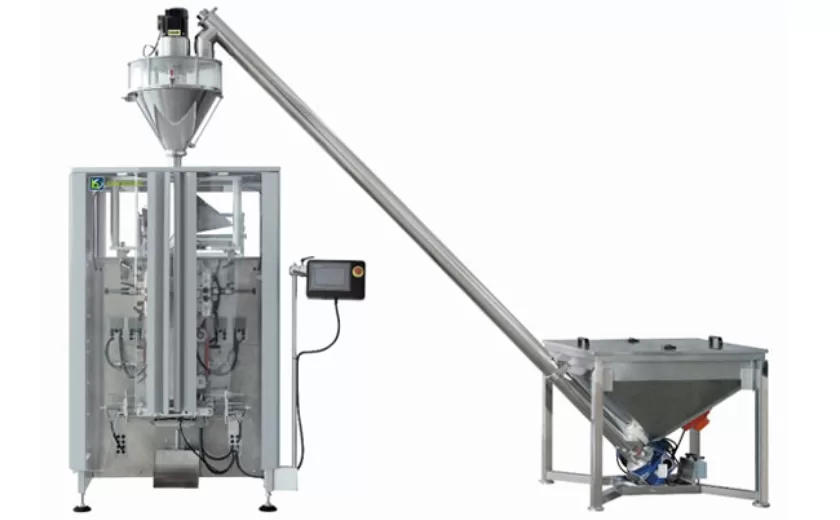
High-Performance Biscuits, Lollipop, and Ketchup Packing Machines for Modern Food Production
29-10-2025 -
Efficient Liquid Filling and Packing Machines for Modern Production
23-10-2025 -
Reliable Granule Packaging Machines for Efficient Production
23-10-2025
