
The Evolution of Net Weight Filling Technology
Introduction
The evolution of net weight filling technology has revolutionized the packaging industry. Over the years, advancements in automation, precision, and efficiency have transformed the way manufacturers fill containers with precise amounts of product. This article explores the key developments that have shaped the industry, from manual methods to the latest innovations.
The Early Days: Manual Filling
In the early days of packaging, products were filled manually using scoops or volumetric fillers. These methods were unreliable and time-consuming, leading to inconsistencies in fill weights and inefficiencies in production. As demand grew, the need for more accurate and efficient filling solutions became evident.
The Rise of Automatic Fillers
The introduction of automatic filling machines marked a significant turning point. These machines utilized timers or scale-based systems to dispense precise amounts of product. This led to improved accuracy, increased production speed, and reduced labor costs. Gravity filling machines, which used the force of gravity to fill containers, were particularly popular during this period.
Advanced Weighing Systems
As technology advanced, weighing systems became increasingly sophisticated. Digital scales and load cells brought unprecedented precision to the filling process. These scales could measure product weight with high accuracy, ensuring that each container met the specified target weight. This development paved the way for more consistent packaging and reduced product waste.
Automated Conveyor Lines
The integration of automated conveyor lines further streamlined the filling process. Products could now be conveyed directly to filling machines, eliminating manual handling and reducing the risk of errors. Automated lines also enabled higher production speeds, maximizing efficiency and output.
Smart Sensors and Control Systems
The advent of smart sensors and control systems has further revolutionized net weight filling technology. Sensors can monitor product flow, detect container presence, and adjust filling parameters in real time. This ensures consistent fill weights, reduces downtime, and optimizes overall performance.
Continuous Motion Filling
Continuous motion filling machines represent the latest advancement in the industry. These machines operate without stopping, filling containers at a constant rate. This eliminates the need for timed cycles and allows for even higher production speeds. Continuous motion filling is particularly well-suited for high-volume packaging operations.
The evolution of net weight filling technology has dramatically improved packaging accuracy, efficiency, and consistency. From manual scoops to automated machines with advanced weighing systems, smart sensors, and continuous motion capabilities, the industry has witnessed a remarkable transformation. These innovations have enabled manufacturers to deliver high-quality products to consumers while reducing costs and optimizing production. As technology continues to advance, we can expect even further advancements in this vital sector of the packaging industry.


-
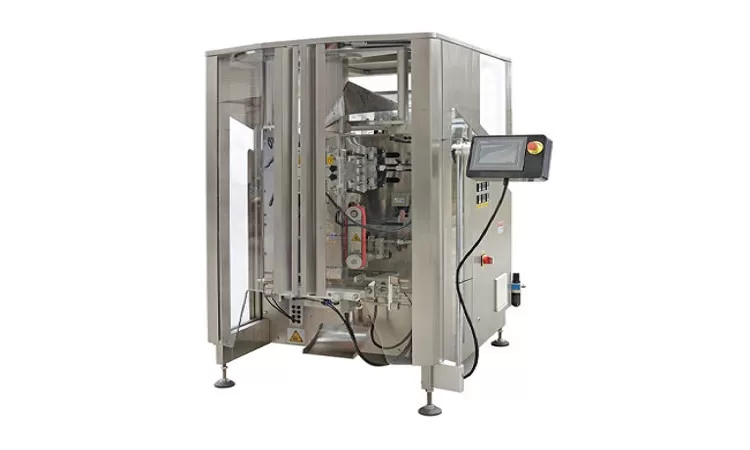
VFFS Equipment: The Ultimate Guide to Vertical Form Fill Seal Technology
13-03-2026 -
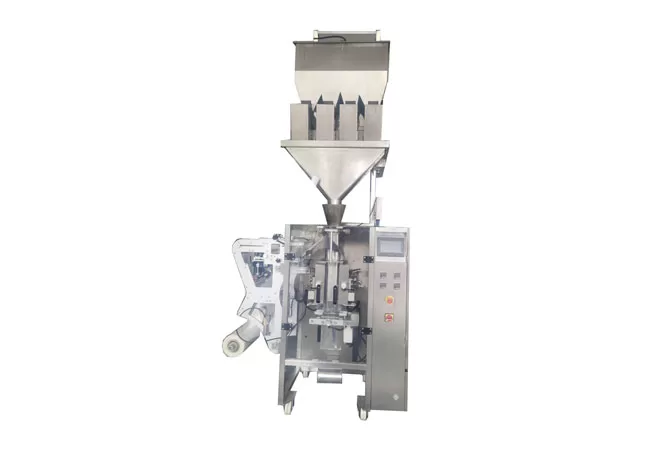
The Essential Guide to Weight Packing Machines for Precision Weighing
12-03-2026 -
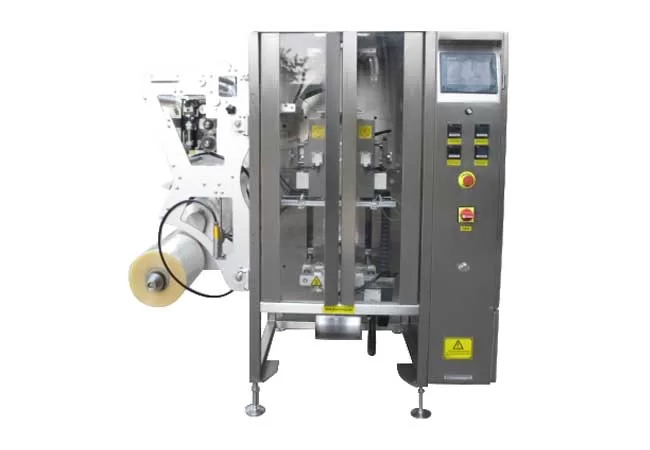
Power Packing Machine: The Ultimate Guide to Heavy-Duty Packaging Efficiency
11-03-2026 -
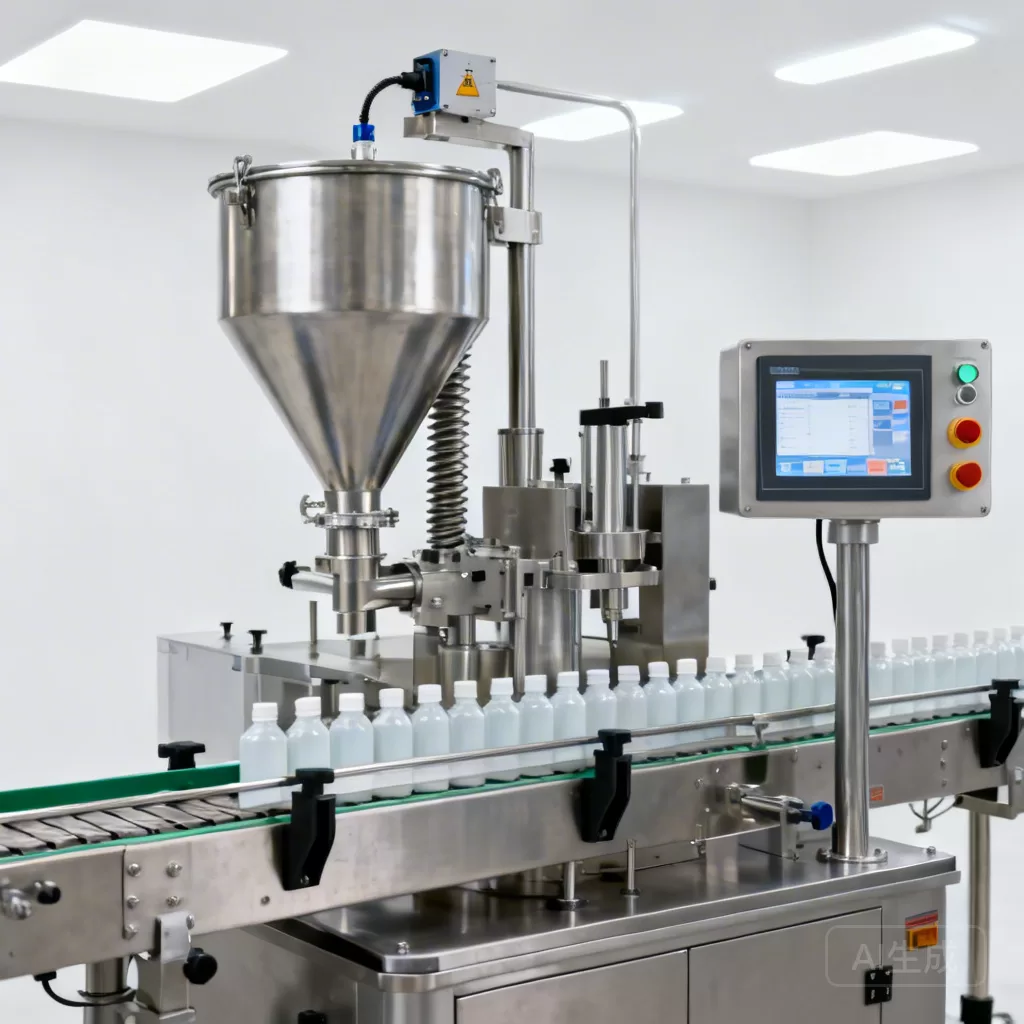
Weigher Packing Machine: The Definitive Guide to Precision Weighing & Packaging
10-03-2026 -
Auger Type Powder Filling Machine: The Ultimate Guide to Precision Packaging
09-03-2026 -
Advanced Packing Solutions: Snacks, Sugar, and Frozen Food Machines
29-10-2025 -
Efficient and Reliable Solutions for Salt, Nuts, and Frozen Dumplings Packing
29-10-2025 -
High-Performance Biscuits, Lollipop, and Ketchup Packing Machines for Modern Food Production
29-10-2025 -
Efficient Liquid Filling and Packing Machines for Modern Production
23-10-2025 -
Reliable Granule Packaging Machines for Efficient Production
23-10-2025
