
The Environmental Impact of Pouch Filling and Sealing Machines
Introduction
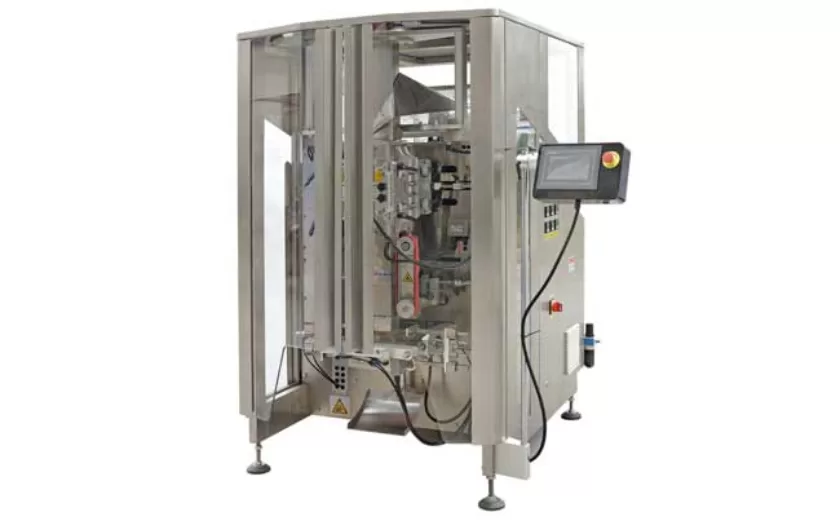
Pouch filling and sealing machines are widely used in the food, beverage, and pharmaceutical industries for packaging products in flexible pouches. While these machines offer numerous advantages, such as improved product preservation and reduced packaging waste, they also have environmental implications that need to be considered. This article delves into the environmental impact of pouch filling and sealing machines, examining their energy consumption, waste generation, and the use of sustainable materials.
Energy Consumption
Pouch filling and sealing machines require significant amounts of energy to operate. The motors, heating elements, and other components consume electricity, contributing to greenhouse gas emissions. The energy efficiency of these machines varies depending on the type of machine, its size, and its usage patterns. Newer models of pouch filling and sealing machines are typically more energy-efficient than older ones, featuring optimized designs and energy-saving features.
Waste Generation
The operation of pouch filling and sealing machines generates waste in several forms. The most significant waste stream is the packaging waste, which includes the empty pouches and the scrap material from the sealing process. These materials typically end up in landfills, contributing to the accumulation of plastic waste. Additionally, some pouch filling and sealing machines use lubricants and cleaning agents, which can also generate hazardous waste if not properly disposed of.
Sustainable Materials
The materials used in pouch filling and sealing machines also have environmental implications. Traditionally, these machines have been made from stainless steel, which is durable and easy to clean. However, stainless steel is a non-renewable resource that contributes to mining waste and deforestation. Increasingly, manufacturers are exploring alternative materials, such as recycled aluminum and bioplastics, to reduce the environmental footprint of their machines.
Environmental Regulations
Governments around the world are implementing regulations to address the environmental impact of packaging machinery. These regulations often focus on reducing energy consumption, minimizing waste generation, and promoting the use of sustainable materials. Pouch filling and sealing machine manufacturers must comply with these regulations to continue operating in their respective markets. By doing so, they are incentivized to develop more environmentally friendly machines.
Sustainable Practices
In addition to regulations, businesses can implement sustainable practices to reduce the environmental impact of their pouch filling and sealing machines. These practices include:
Investing in energy-efficient models
Optimizing machine usage to reduce energy consumption
Recycling and properly disposing of waste materials
Using pouches made from sustainable materials
Implementing preventive maintenance programs to extend machine life and reduce waste
Conclusion
The environmental impact of pouch filling and sealing machines is a multifaceted issue that encompasses energy consumption, waste generation, and the use of sustainable materials. By understanding these impacts and implementing sustainable practices, businesses can mitigate the environmental footprint of their packaging operations. The development and adoption of more energy-efficient, waste-reducing, and sustainable machines are essential for reducing the environmental burden of packaging machinery.


-
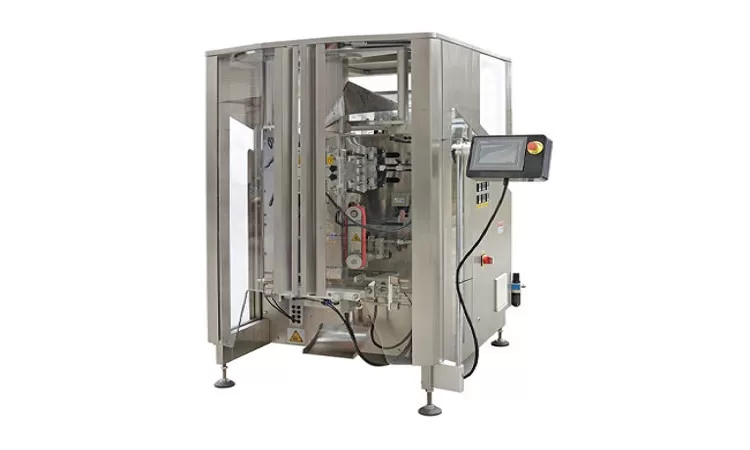
VFFS Equipment: The Ultimate Guide to Vertical Form Fill Seal Technology
13-03-2026 -
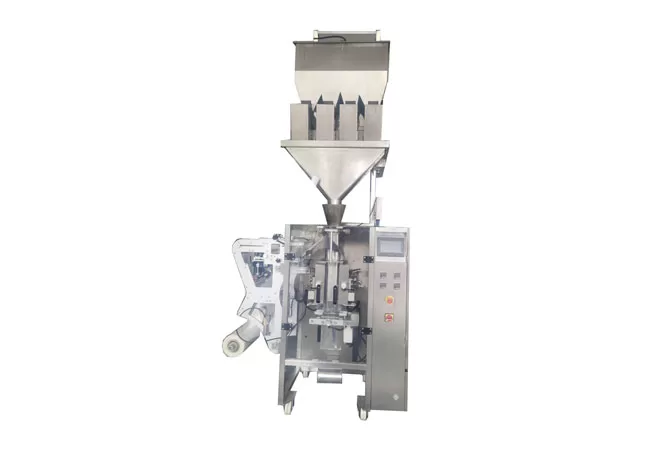
The Essential Guide to Weight Packing Machines for Precision Weighing
12-03-2026 -
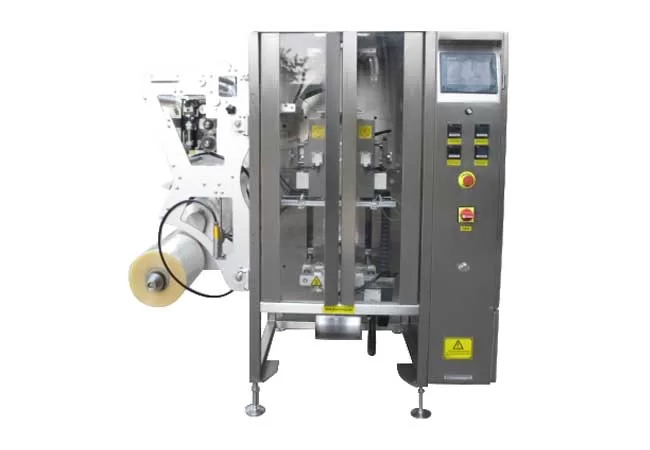
Power Packing Machine: The Ultimate Guide to Heavy-Duty Packaging Efficiency
11-03-2026 -
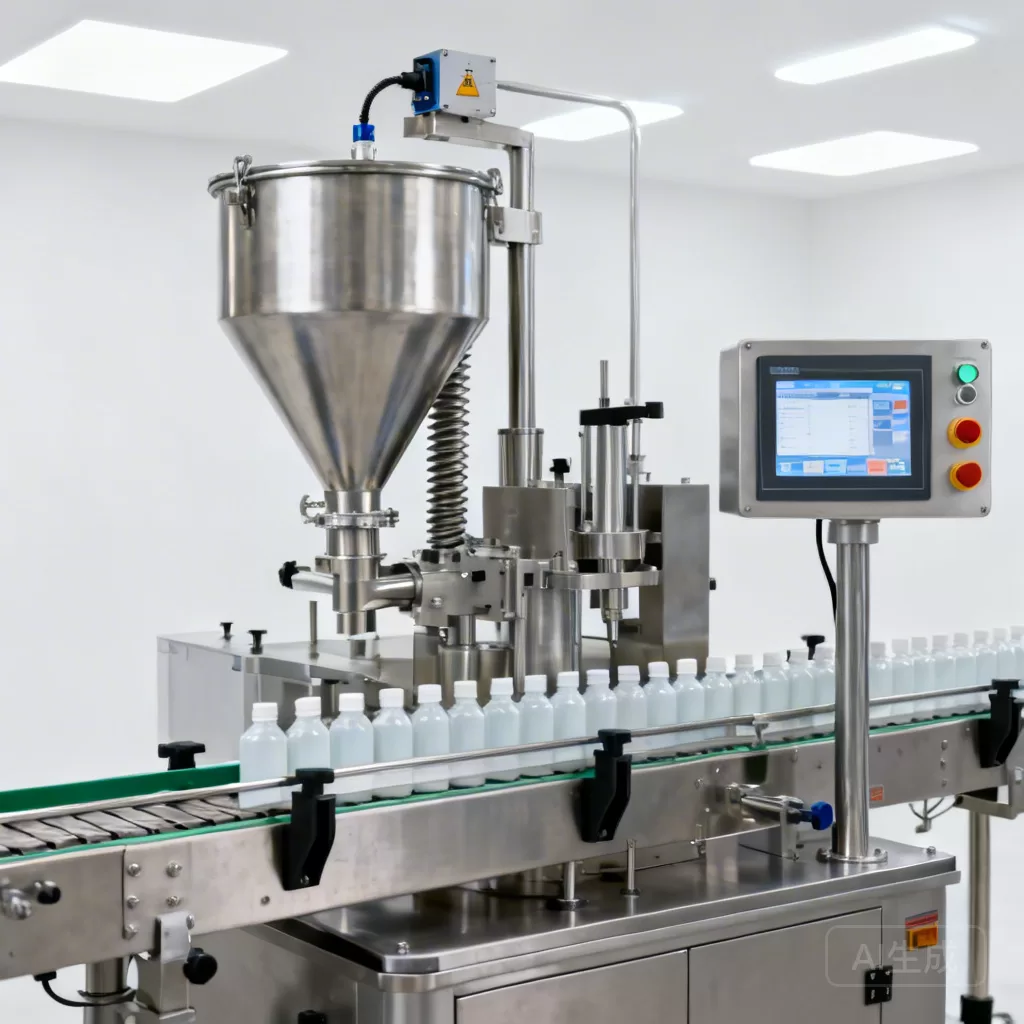
Weigher Packing Machine: The Definitive Guide to Precision Weighing & Packaging
10-03-2026 -
Auger Type Powder Filling Machine: The Ultimate Guide to Precision Packaging
09-03-2026 -
Advanced Packing Solutions: Snacks, Sugar, and Frozen Food Machines
29-10-2025 -
Efficient and Reliable Solutions for Salt, Nuts, and Frozen Dumplings Packing
29-10-2025 -
High-Performance Biscuits, Lollipop, and Ketchup Packing Machines for Modern Food Production
29-10-2025 -
Efficient Liquid Filling and Packing Machines for Modern Production
23-10-2025 -
Reliable Granule Packaging Machines for Efficient Production
23-10-2025
