
The Environmental Impact of Multihead Weigher Machines and Sustainable Practices
In the realm of industrial automation, multihead weigher machines have become ubiquitous for precise and efficient product packaging. However, beneath their gleaming exteriors lies a hidden environmental cost that demands attention.
Unveiling the Ecological Footprint
The production, operation, and disposal of multihead weigher machines contribute to a significant carbon footprint. The manufacturing process involves energy-intensive processes, consuming vast amounts of non-renewable resources. During operation, these machines consume substantial electricity and compressed air, further taxing energy grids. Moreover, the discarding of obsolete or damaged equipment exacerbates landfill congestion and releases harmful materials into the environment.
Embracing Sustainable Practices
Recognizing the pressing need for sustainability, manufacturers and users alike are adopting innovative practices to minimize the environmental impact of multihead weigher machines.
Energy Efficiency: Employing energy-efficient components, such as variable frequency drives and LED lighting, reduces electricity consumption.
Recyclable Materials: Utilizing recycled materials in machine construction and packaging minimizes waste and conserves resources.
Component Longevity: Designing machines with durable components and offering comprehensive maintenance programs extends their lifespan, reducing replacements and waste.
Recycling Programs: Establishing recycling programs for end-of-life machines ensures proper disposal and resource recovery.
Collaboration for a Greener Future
Collaboration between manufacturers, users, and environmental organizations is crucial for achieving a sustainable future. By sharing knowledge, investing in research, and implementing innovative solutions, the industry can minimize the environmental footprint of multihead weigher machines.
Educational Campaigns: Raising awareness among users and operators about sustainable practices encourages responsible equipment operation and maintenance.
Government Regulations: Establishing environmental regulations and incentives can drive manufacturers to incorporate sustainability into their designs.
Third-Party Certification: Certifications and standards, such as the ISO 14001 environmental management system, provide independent verification of sustainable practices.
Conclusion
The environmental impact of multihead weigher machines is a growing concern that demands urgent attention. By adopting sustainable practices and fostering collaboration, the industry can mitigate its ecological footprint while ensuring the continued efficiency and accuracy of industrial packaging operations. Embracing these measures will not only protect the planet but also contribute to a more responsible and sustainable future for all.


-
VFFS Equipment: The Ultimate Guide to Vertical Form Fill Seal Technology
13-03-2026 -
The Essential Guide to Weight Packing Machines for Precision Weighing
12-03-2026 -
Power Packing Machine: The Ultimate Guide to Heavy-Duty Packaging Efficiency
11-03-2026 -
Weigher Packing Machine: The Definitive Guide to Precision Weighing & Packaging
10-03-2026 -
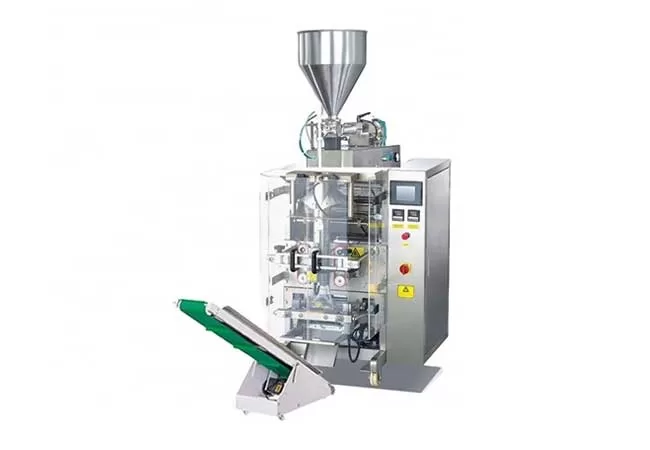
Auger Type Powder Filling Machine: The Ultimate Guide to Precision Packaging
09-03-2026 -
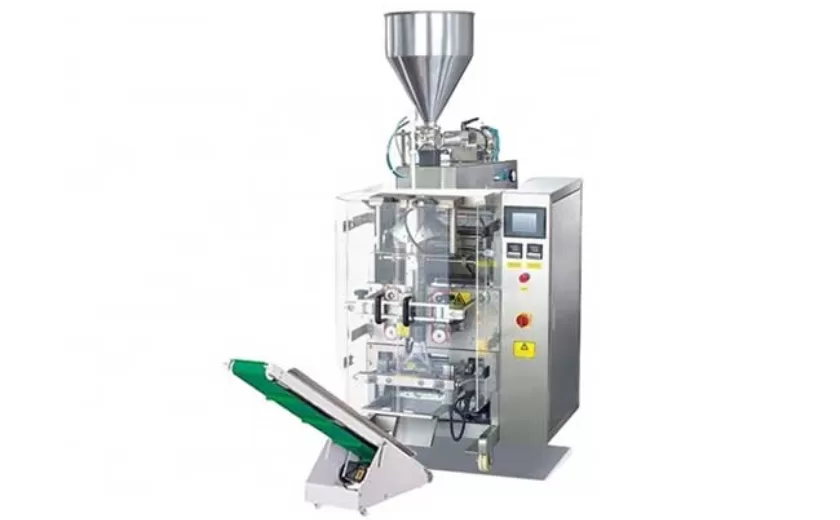
Advanced Packing Solutions: Snacks, Sugar, and Frozen Food Machines
29-10-2025 -
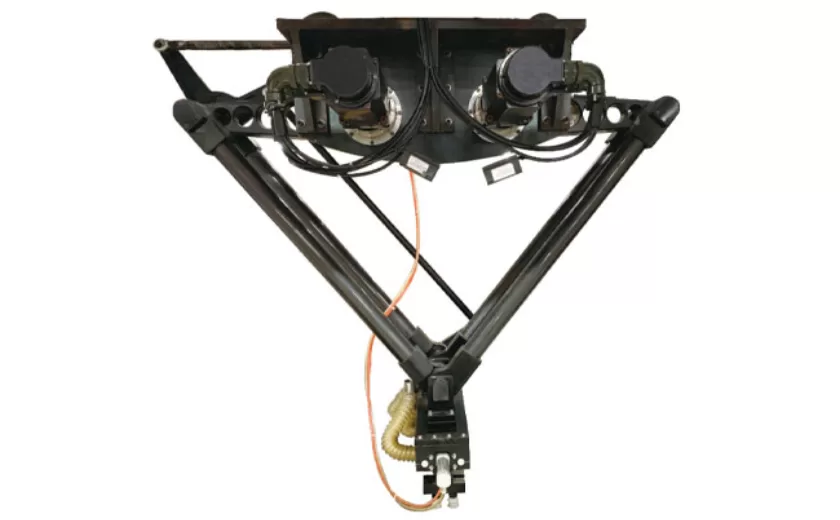
Efficient and Reliable Solutions for Salt, Nuts, and Frozen Dumplings Packing
29-10-2025 -
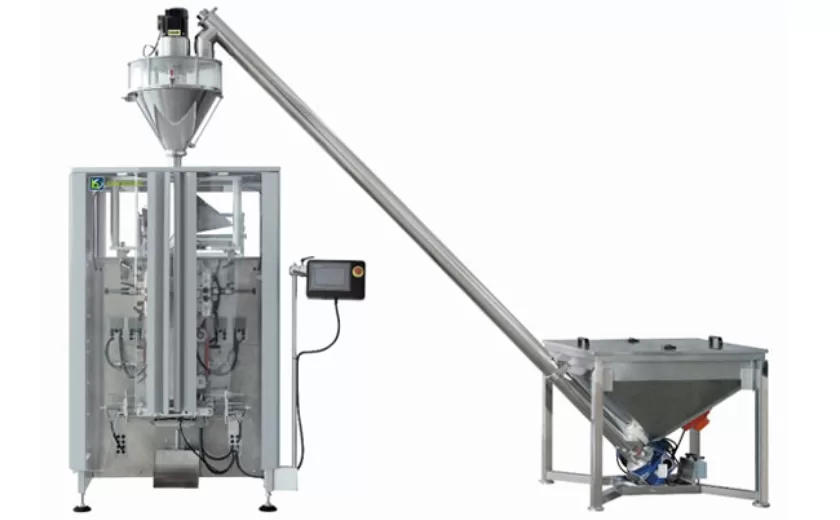
High-Performance Biscuits, Lollipop, and Ketchup Packing Machines for Modern Food Production
29-10-2025 -
Efficient Liquid Filling and Packing Machines for Modern Production
23-10-2025 -
Reliable Granule Packaging Machines for Efficient Production
23-10-2025
