
The Cost-Effectiveness of Granule Pouch Packing Machines vs. Manual Packing
In the realm of industrial packaging, the efficiency of packing processes plays a pivotal role in determining costs and productivity. Two primary methods for packing granules are prevalent: granule pouch packing machines and manual packing. This article delves into a comprehensive analysis of the cost-effectiveness of these two packing techniques, examining various aspects such as labor costs, material consumption, packaging speed, and quality control.
Labor Costs
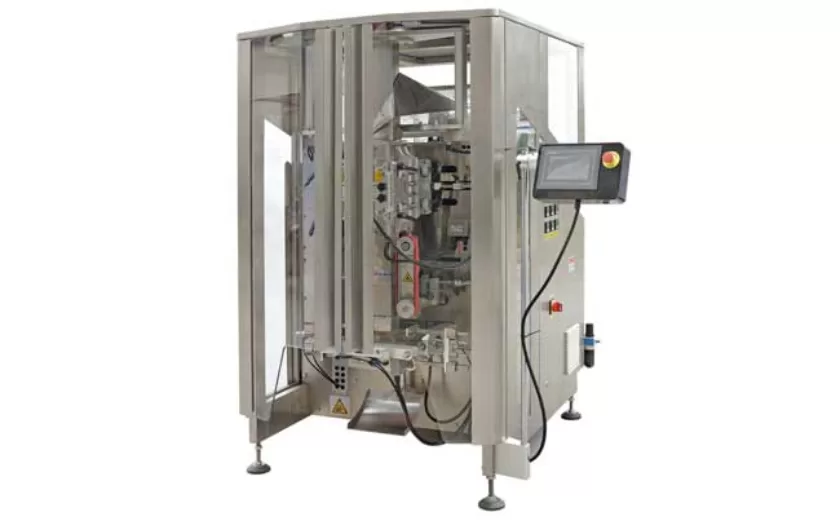
Granule pouch packing machines automate the packing process, eliminating the need for manual labor. This significantly reduces labor costs and frees up employees to focus on more value-added tasks. While manual packing requires skilled workers and can lead to overtime expenses during peak production periods, machine-based packing ensures consistent throughput with minimal staffing requirements.
Material Consumption
Packing machines utilize advanced sealing technologies to optimize material usage. Automated systems employ precise measurements and pre-determined packaging sizes, minimizing material waste. In contrast, manual packing often involves subjective estimates, resulting in excess material consumption and increased packaging costs. The precision of machines also eliminates the risk of product leakage, ensuring product integrity and reducing the need for re-packaging.
Packaging Speed
Granule pouch packing machines operate at significantly faster speeds than manual packing, enabling higher production volumes in a shorter time frame. Their automated processes can pack thousands of pouches per hour, while manual packing is typically limited to a few hundred pouches per hour. This increased efficiency translates into faster order fulfillment and improved customer satisfaction.
Quality Control
Packing machines incorporate quality control measures such as sensors and cameras to ensure consistent packaging and product integrity. Automated systems minimize the risk of human error and maintain precise packaging specifications, preventing contamination and product damage. This enhanced quality control reduces the likelihood of product recalls and customer complaints, preserving brand reputation and maintaining customer trust.
Maintenance and Operating Costs
While the initial cost of purchasing a granule pouch packing machine may be higher than manual packing methods, the long-term operating costs are often lower. Machines require regular maintenance and spare parts, but these expenses are typically offset by the substantial savings in labor costs and increased productivity. Additionally, the energy consumption of packing machines is optimized for efficiency, further reducing operating expenses.
Environmental Considerations
Automated packing machines promote environmental sustainability by minimizing material waste and reducing energy consumption. They also limit the use of non-biodegradable materials, contributing to a greener packaging process. Manual packing, on the other hand, can generate significant waste and rely on non-recyclable materials, having a negative impact on the environment.
Conclusion
The cost-effectiveness of granule pouch packing machines versus manual packing is undeniable. Machines offer substantial savings in labor costs, optimize material consumption, enhance packaging speed, improve quality control, and reduce maintenance and operating expenses. By adopting automated packing solutions, manufacturers can achieve increased productivity, improved product quality, and enhanced environmental sustainability. The investment in a granule pouch packing machine is a strategic decision that contributes to overall efficiency and long-term cost savings, ultimately driving profitability and competitive advantage.


-
VFFS Equipment: The Ultimate Guide to Vertical Form Fill Seal Technology
13-03-2026 -
The Essential Guide to Weight Packing Machines for Precision Weighing
12-03-2026 -
Power Packing Machine: The Ultimate Guide to Heavy-Duty Packaging Efficiency
11-03-2026 -
Weigher Packing Machine: The Definitive Guide to Precision Weighing & Packaging
10-03-2026 -
Auger Type Powder Filling Machine: The Ultimate Guide to Precision Packaging
09-03-2026 -
Advanced Packing Solutions: Snacks, Sugar, and Frozen Food Machines
29-10-2025 -
Efficient and Reliable Solutions for Salt, Nuts, and Frozen Dumplings Packing
29-10-2025 -
High-Performance Biscuits, Lollipop, and Ketchup Packing Machines for Modern Food Production
29-10-2025 -
Efficient Liquid Filling and Packing Machines for Modern Production
23-10-2025 -
Reliable Granule Packaging Machines for Efficient Production
23-10-2025
