
Integrating Vertical Wrapping Machines into Existing Production Lines
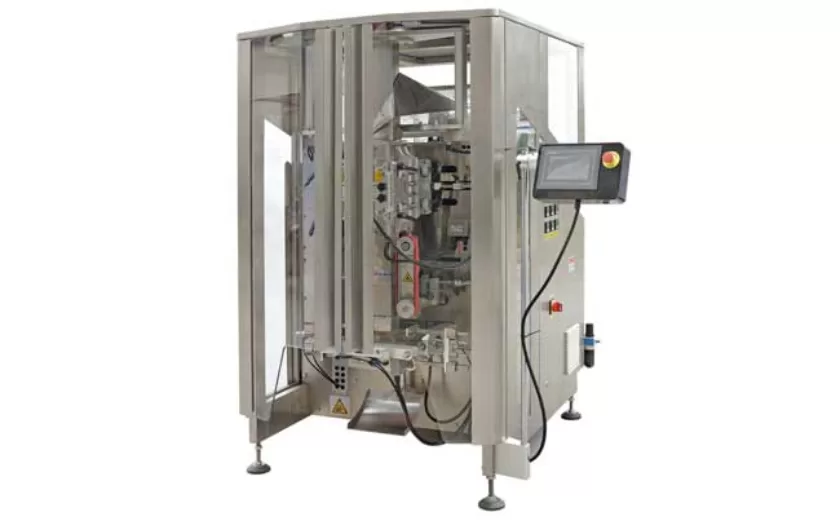
Integrating vertical wrapping machines into existing production lines presents numerous benefits for businesses seeking to enhance efficiency, productivity, and product quality. By seamlessly merging these machines with their current operations, manufacturers can streamline their packaging processes, minimize downtime, and maximize production capacity. Here are several key aspects to consider when integrating vertical wrapping machines into existing production lines:
Line Configuration and Layout
The layout of the existing production line must be carefully analyzed to determine the optimal placement and integration of the vertical wrapping machine. Factors such as product flow, space constraints, and accessibility for maintenance should be considered. A well-planned layout will ensure smooth transitions between different stages of the packaging process and minimize potential bottlenecks.
Product Compatibility and Machine Selection
The type of vertical wrapping machine chosen should be compatible with the specific products being packaged. Considerations include product size, shape, and required wrapping materials. Selecting a machine with appropriate specifications and capabilities will ensure efficient and reliable packaging operations.
Integration with Existing Equipment
Vertical wrapping machines can be integrated with various existing equipment, such as conveyors, product infeed systems, and label applicators. Seamless integration between these elements is crucial for maintaining a continuous and automated packaging process. Proper interfacing and synchronization will eliminate manual intervention and reduce the risk of product damage.
Production Capacity and Speed
The production capacity and speed of the vertical wrapping machine should align with the overall production line requirements. The machine’s wrapping rate and output capacity should be assessed based on the desired production volume and throughput time. Choosing a machine with adequate capacity will ensure efficient packaging operations and avoid downtime caused by machine overloads.
Controls and Automation
Modern vertical wrapping machines often feature advanced controls and automation capabilities. These systems allow for precise control of wrapping parameters, such as temperature, film tension, and dwell time. Integration with existing production line control systems is essential for centralized monitoring and data tracking. Automation also reduces the need for manual adjustments and minimizes operator errors.
Maintenance and Accessibility
Regular maintenance is crucial for the longevity and optimal performance of vertical wrapping machines. The machine’s design should prioritize accessibility for maintenance tasks, such as film roll changes, cleaning, and lubrication. Proper maintenance intervals and procedures should be established to minimize downtime and ensure reliable operations.
Conclusion
Integrating vertical wrapping machines into existing production lines offers significant advantages for manufacturers. By carefully considering the aspects outlined above, businesses can ensure a seamless and efficient integration that optimizes their packaging processes, enhances product quality, and maximizes production capacity. Embracing automation, optimizing line layout, and aligning machine capabilities with production requirements will ultimately lead to improved performance and increased profitability.


-
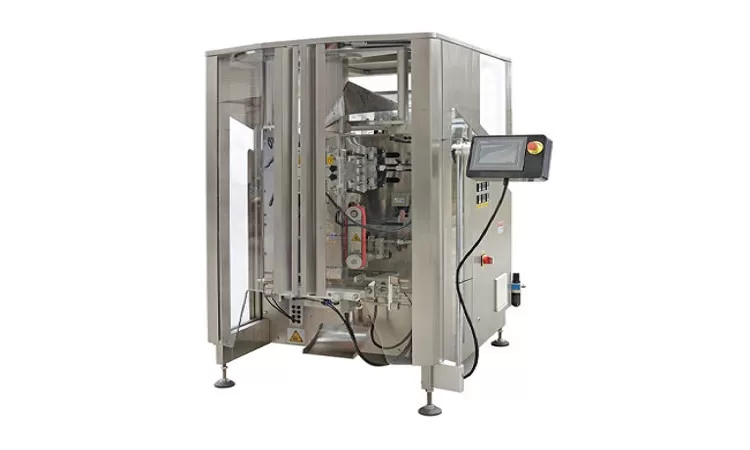
VFFS Equipment: The Ultimate Guide to Vertical Form Fill Seal Technology
13-03-2026 -
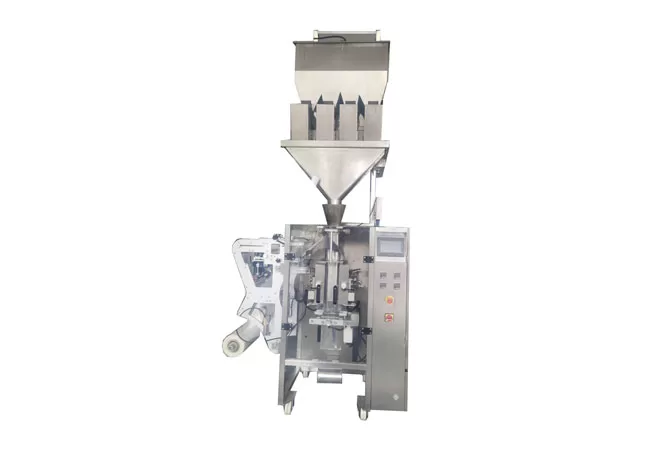
The Essential Guide to Weight Packing Machines for Precision Weighing
12-03-2026 -
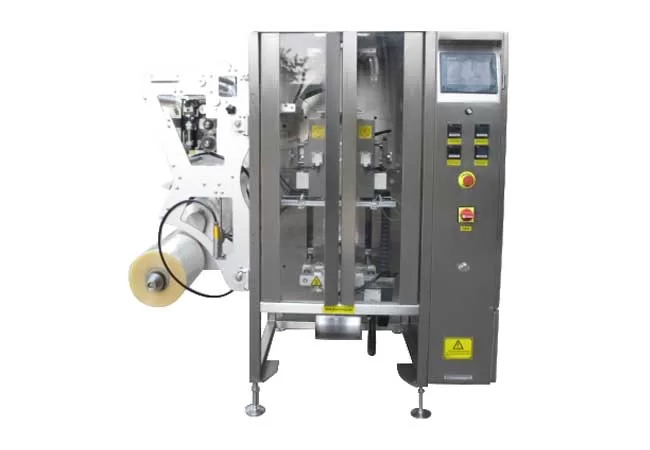
Power Packing Machine: The Ultimate Guide to Heavy-Duty Packaging Efficiency
11-03-2026 -
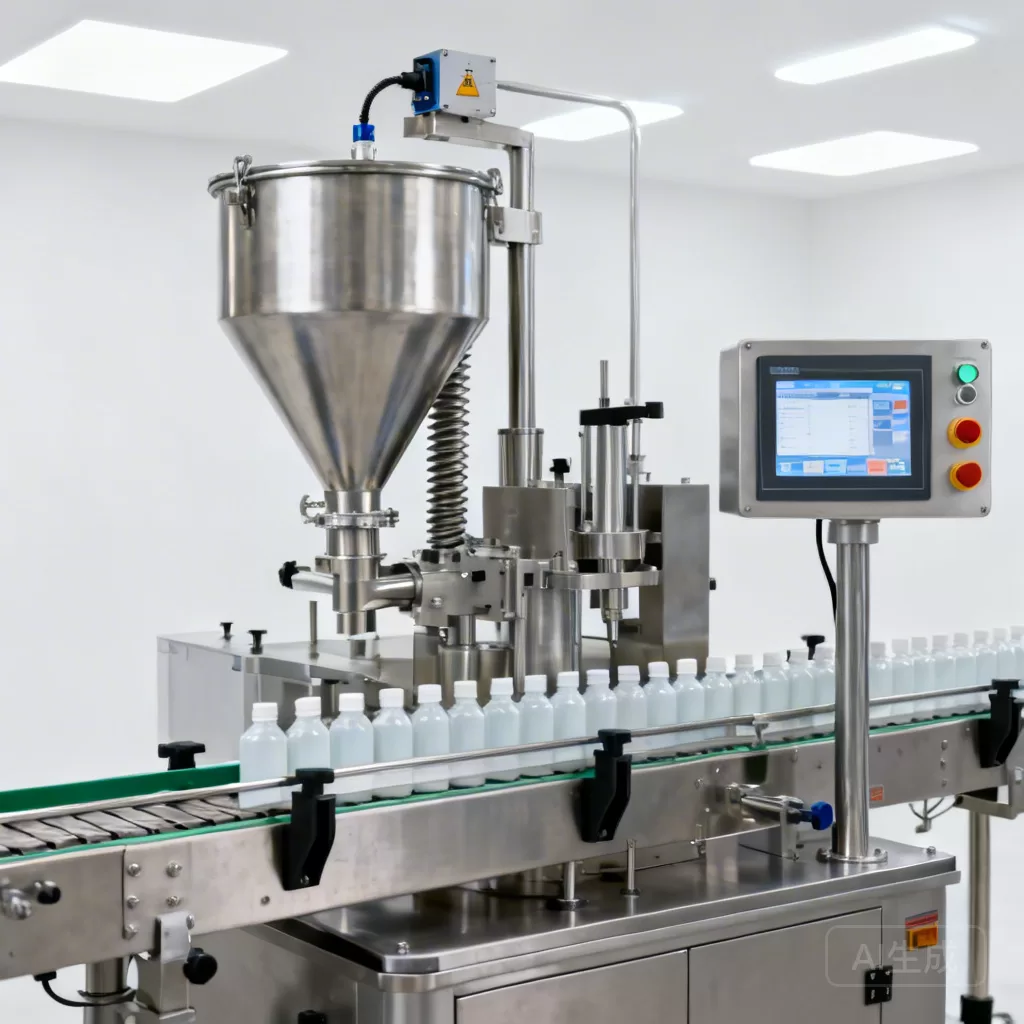
Weigher Packing Machine: The Definitive Guide to Precision Weighing & Packaging
10-03-2026 -
Auger Type Powder Filling Machine: The Ultimate Guide to Precision Packaging
09-03-2026 -
Advanced Packing Solutions: Snacks, Sugar, and Frozen Food Machines
29-10-2025 -
Efficient and Reliable Solutions for Salt, Nuts, and Frozen Dumplings Packing
29-10-2025 -
High-Performance Biscuits, Lollipop, and Ketchup Packing Machines for Modern Food Production
29-10-2025 -
Efficient Liquid Filling and Packing Machines for Modern Production
23-10-2025 -
Reliable Granule Packaging Machines for Efficient Production
23-10-2025
