
Integrating Granule Packing Machines into Your Production Line
The integration of granule packing machines into the production line is critical for streamlining operations, increasing efficiency, and optimizing product quality. By automating the packaging process, businesses can minimize manual labor, reduce waste, and improve overall production throughput. This article provides a comprehensive guide to integrating granule packing machines into your production line, exploring key considerations, benefits, and best practices.
Machine Selection
Selecting the appropriate granule packing machine is crucial for successful integration. Factors to consider include:
1. Granule Properties: Determine the size, shape, density, and flowability of your granules to ensure compatibility with the machine.
2. Packaging Type: Choose a machine capable of handling the desired packaging materials, such as bags, boxes, or containers.
3. Speed and Efficiency: Consider the production volume and required packing speed to select a machine that meets your specific needs.
4. Accuracy and Precision: Ensure the machine can consistently pack granules with the desired weight or volume to meet quality standards.
5. Integration Capability: Verify that the machine can be seamlessly integrated with existing equipment and control systems.
Line Design and Layout
Proper line design and layout are essential for efficient operation:
1. Flow Optimization: Design the line to minimize bottlenecks and ensure a continuous flow of granules from upstream processes to the packing machine.
2. Space Considerations: Allow sufficient space for the machine, conveyors, and other equipment, ensuring accessibility for maintenance and cleaning.
3. Material Handling: Integrate automated conveyors or hoppers to optimize granule transfer between stations.
4. Safety Features: Implement safety protocols and protective equipment to mitigate potential hazards during operation.
Integration with Control Systems
Seamless integration with control systems is crucial for automation:
1. Machine Control: Interface the packing machine with a programmable logic controller (PLC) to automate packing cycles and monitor machine parameters.
2. Data Collection: Integrate sensors and monitoring systems to collect data on packing performance, product quality, and machine health.
3. Remote Monitoring: Enable remote monitoring and control to facilitate real-time troubleshooting and maintenance scheduling.
Benefits of Integration
Integrating granule packing machines offers numerous benefits:
1. Increased Efficiency: Automation eliminates manual labor, reducing packing time and increasing overall line efficiency.
2. Improved Product Quality: Accurate weighing and precise sealing ensure consistent product quality and minimize packaging errors.
3. Reduced Waste: Automated packaging systems minimize material loss, reducing waste and improving cost-effectiveness.
4. Increased Productivity: Streamlined operations and automated processes allow for increased production throughput, meeting market demand.
5. Enhanced Safety: Automated systems reduce the risk of accidents and improve worker safety by eliminating hazardous manual tasks.
Best Practices
For successful integration, follow these best practices:
1. Proper Training and Maintenance: Ensure operators receive thorough training on machine operation and maintenance procedures.
2. Regular Calibration and Adjustments: Regularly calibrate and adjust the machine to maintain accuracy and precision.
3. Preventive Maintenance: Implement a preventive maintenance program to minimize downtime and extend machine life.
4. Data Analysis and Optimization: Analyze collected data to identify areas for improvement and optimize packing processes over time.
5. Continuous Improvement: Regularly evaluate and seek opportunities for further integration and process optimization to maximize efficiency.


-
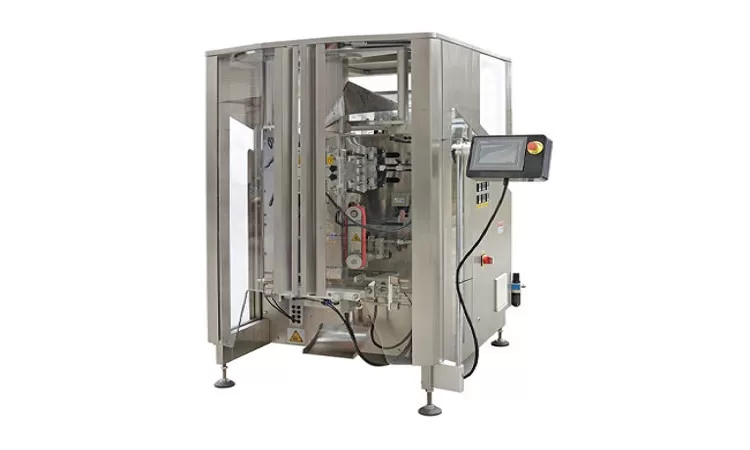
VFFS Equipment: The Ultimate Guide to Vertical Form Fill Seal Technology
13-03-2026 -
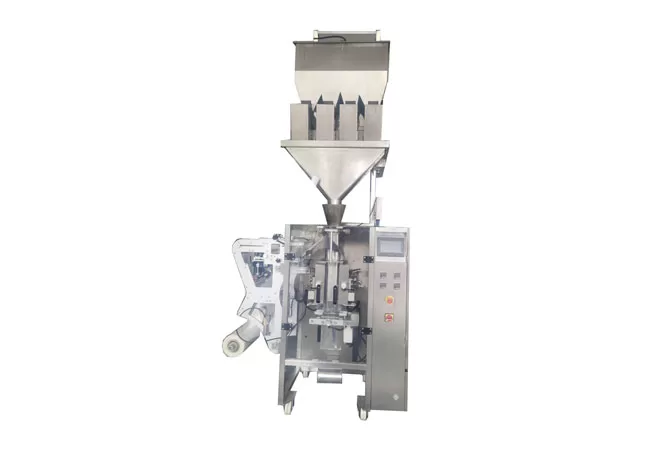
The Essential Guide to Weight Packing Machines for Precision Weighing
12-03-2026 -
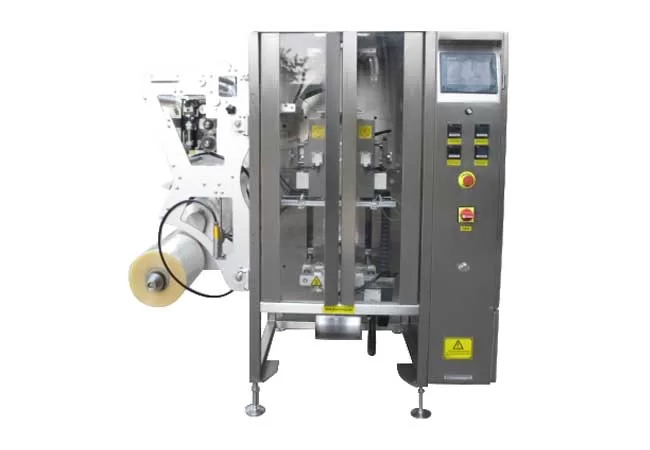
Power Packing Machine: The Ultimate Guide to Heavy-Duty Packaging Efficiency
11-03-2026 -
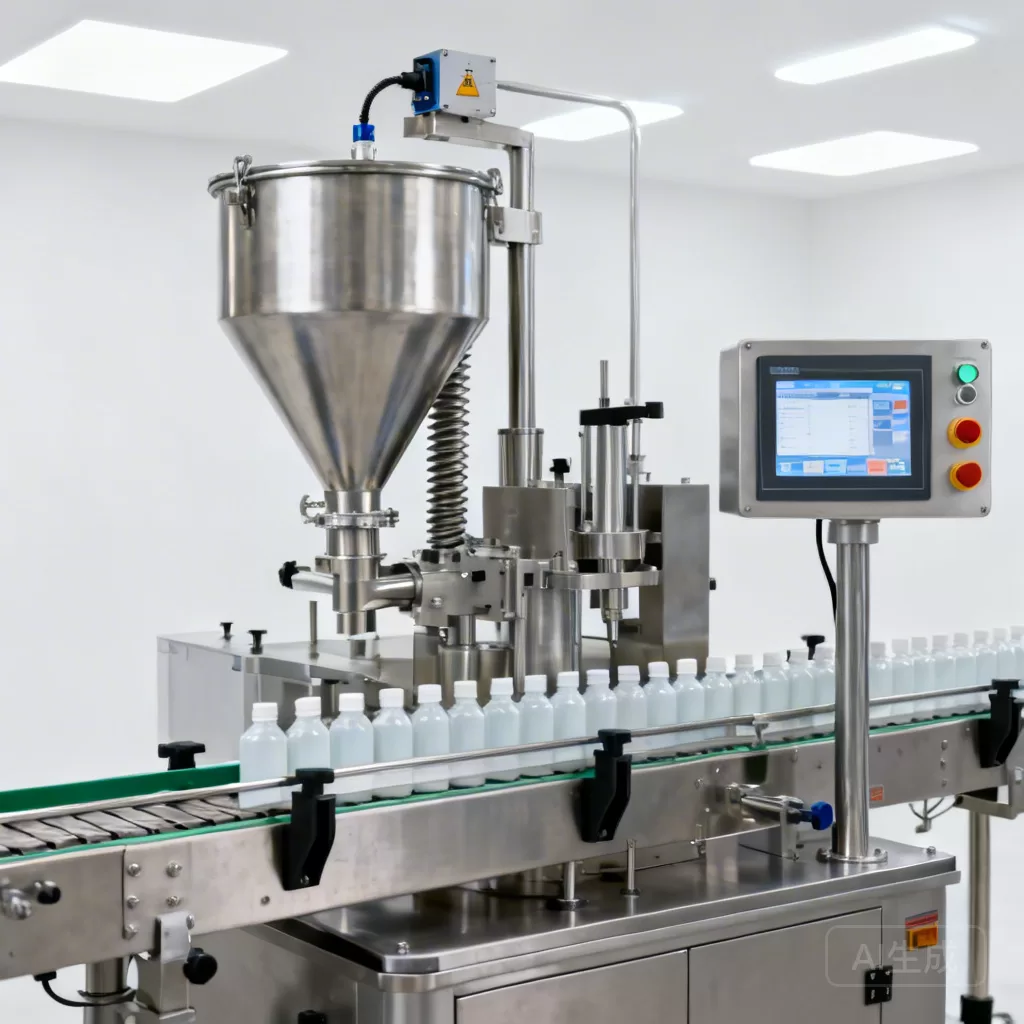
Weigher Packing Machine: The Definitive Guide to Precision Weighing & Packaging
10-03-2026 -
Auger Type Powder Filling Machine: The Ultimate Guide to Precision Packaging
09-03-2026 -
Advanced Packing Solutions: Snacks, Sugar, and Frozen Food Machines
29-10-2025 -
Efficient and Reliable Solutions for Salt, Nuts, and Frozen Dumplings Packing
29-10-2025 -
High-Performance Biscuits, Lollipop, and Ketchup Packing Machines for Modern Food Production
29-10-2025 -
Efficient Liquid Filling and Packing Machines for Modern Production
23-10-2025 -
Reliable Granule Packaging Machines for Efficient Production
23-10-2025
