
How to Troubleshoot Common Issues with Weigh Filler Packaging Machines
Weigh filler packaging machines are essential equipment in various industries, ensuring precise and efficient filling of products into packages. However, like any machinery, issues can arise, affecting production and product quality. This article provides a comprehensive guide on troubleshooting common issues with weigh filler packaging machines, empowering users to identify and resolve problems quickly and effectively.
Insufficient Filling Accuracy
Several factors can contribute to insufficient filling accuracy.
– Incorrect calibration: Ensure the scale is calibrated regularly according to the manufacturer’s instructions, using certified weights.
– Inaccurate product flow: Check if the product flows smoothly into the weigh hopper. Obstructions or irregular flow can affect accuracy.
– Vibrations or movement: Minimize vibrations or machine movement during weighing to avoid false readings.
Overfilling or Underfilling
– Incorrect settings: Verify that the target weight is set correctly and within the machine’s capabilities.
– Belt drift: Monitor the conveyor belt for any stretching or drift, which can lead to incorrect filling amounts.
– Contaminated or damaged components: Inspect the weigh hopper, load cell, and other components for contamination or damage that may affect performance.
Failed Components
– Faulty load cell: A faulty load cell can provide inaccurate weight measurements. Check for damage or corrosion on the cell and its connections.
– Electrical issues: Examine electrical connections for loose wires, shorts, or power supply problems.
– Mechanical failures: Inspect moving parts, such as belts, gears, or actuators, for wear, damage, or misalignment.
Troubleshooting Tips
– Refer to the manufacturer’s manual: The manual provides specific troubleshooting steps and error codes for common issues.
– Use diagnostic tools: Many weigh filler machines have built-in diagnostic tools that can help identify problems.
– Observe the machine in operation: Monitor the machine’s performance while it is running, paying attention to any unusual sounds, vibrations, or errors.
– Isolate the issue: Test the machine with different products or by manually adjusting settings to isolate the source of the problem.
– Seek professional assistance: If the issue persists or is beyond the user’s technical capabilities, consider contacting a qualified technician or the manufacturer for support.
Preventive Measures
– Regular maintenance: Perform regular cleaning, lubrication, and inspections to keep the machine in optimal condition.
– Proper calibration: Calibrate the machine regularly to ensure accuracy and consistency.
– Monitor product quality: Check filled packages for correct weight and consistency to identify any potential issues early on.
– Invest in quality equipment: Choose reliable and well-built weigh filler packaging machines from reputable manufacturers.


-
VFFS Equipment: The Ultimate Guide to Vertical Form Fill Seal Technology
13-03-2026 -
The Essential Guide to Weight Packing Machines for Precision Weighing
12-03-2026 -
Power Packing Machine: The Ultimate Guide to Heavy-Duty Packaging Efficiency
11-03-2026 -
Weigher Packing Machine: The Definitive Guide to Precision Weighing & Packaging
10-03-2026 -
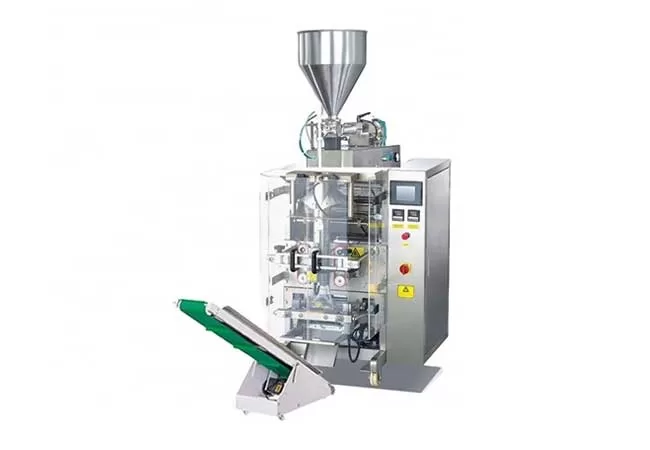
Auger Type Powder Filling Machine: The Ultimate Guide to Precision Packaging
09-03-2026 -
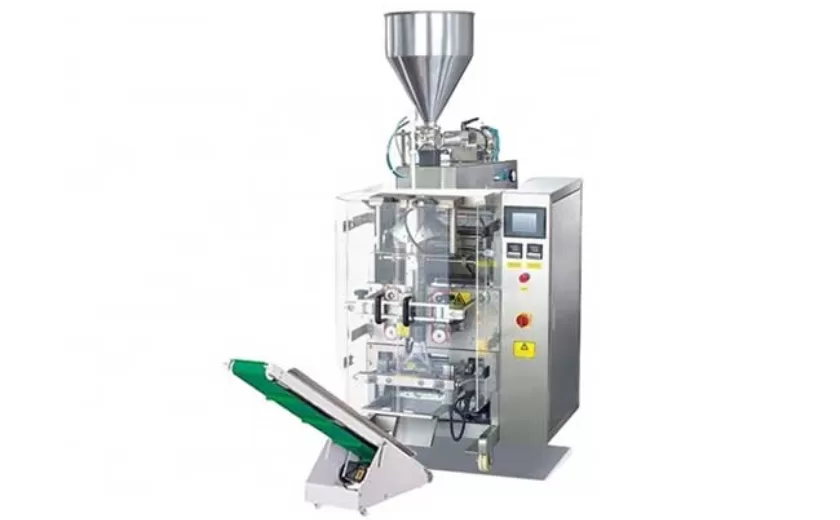
Advanced Packing Solutions: Snacks, Sugar, and Frozen Food Machines
29-10-2025 -
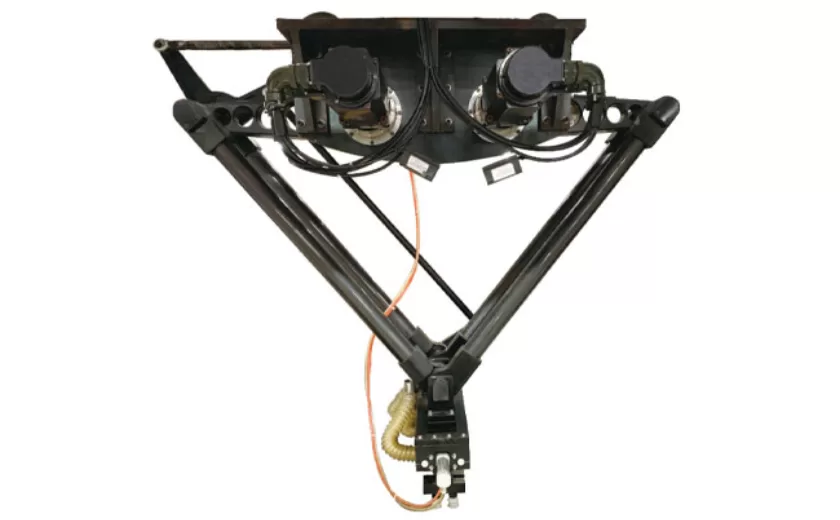
Efficient and Reliable Solutions for Salt, Nuts, and Frozen Dumplings Packing
29-10-2025 -
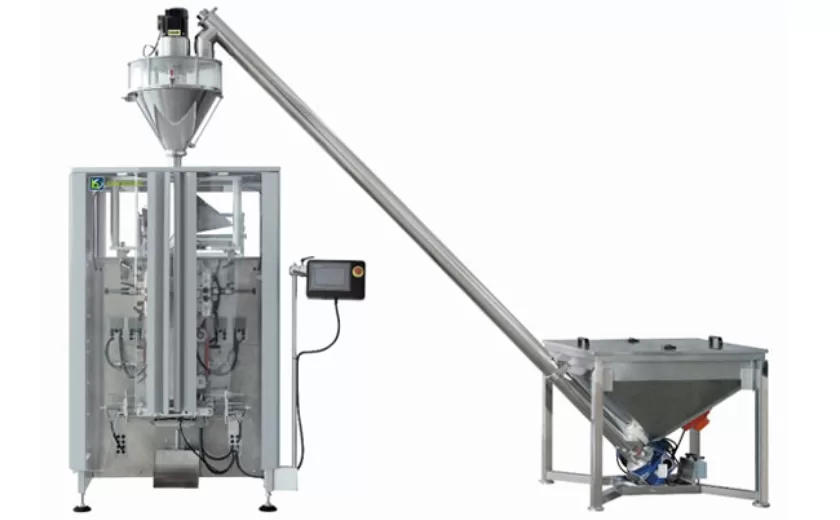
High-Performance Biscuits, Lollipop, and Ketchup Packing Machines for Modern Food Production
29-10-2025 -
Efficient Liquid Filling and Packing Machines for Modern Production
23-10-2025 -
Reliable Granule Packaging Machines for Efficient Production
23-10-2025
