
How to Troubleshoot and Prevent Common Filling Problems
Filling problems are a common issue that can affect the quality and performance of your 3D prints. They can be caused by a variety of factors, including improper printer settings, incorrect filament settings, and environmental factors. By understanding the causes of filling problems and knowing how to troubleshoot and prevent them, you can ensure your 3D prints are successful.
Troubleshooting Filling Problems
1. Check your printer settings. The first step in troubleshooting filling problems is to check your printer settings. Make sure that the layer height, infill percentage, and print speed are all set correctly for the material you are using.
2. Inspect the filament. The next step is to inspect the filament. Make sure that the filament is not tangled or kinked. If it is, this can cause the filament to feed into the printer unevenly, which can lead to filling problems.
3. Check the nozzle. The nozzle is another potential source of filling problems. Make sure that the nozzle is clean and free of debris. If the nozzle is clogged, the filament will not be able to flow through it properly, which can lead to gaps in the print.
4. Check the bed temperature. The bed temperature can also affect the quality of the fill. Make sure that the bed is heated to the correct temperature for the material you are using. If the bed is too hot, the filament can become too soft and will not adhere to the bed properly. If the bed is too cold, the filament will not stick to the bed at all.
5. Check the build area. The build area should be clean and free of debris. If there is any debris on the build area, the filament will not be able to adhere to the bed properly.
Preventing Filling Problems
1. Use high-quality filament. One of the best ways to prevent filling problems is to use high-quality filament. High-quality filament is less likely to be tangled or kinked, and it will flow through the printer more evenly.
2. Store filament properly. Filament should be stored in a cool, dry place away from sunlight. Sunlight can damage the filament, making it more brittle and prone to tangling.
3. Clean the printer regularly. A clean printer is less likely to have filling problems. Make sure to clean the printer nozzle, bed, and build area regularly.
4. Use a heated bed. A heated bed will help the filament to adhere to the bed more easily, which will prevent gaps in the print.
5. Use a build surface adhesion promoter. A build surface adhesion promoter will help the filament to stick to the bed even better, which will further reduce the risk of filling problems.


-
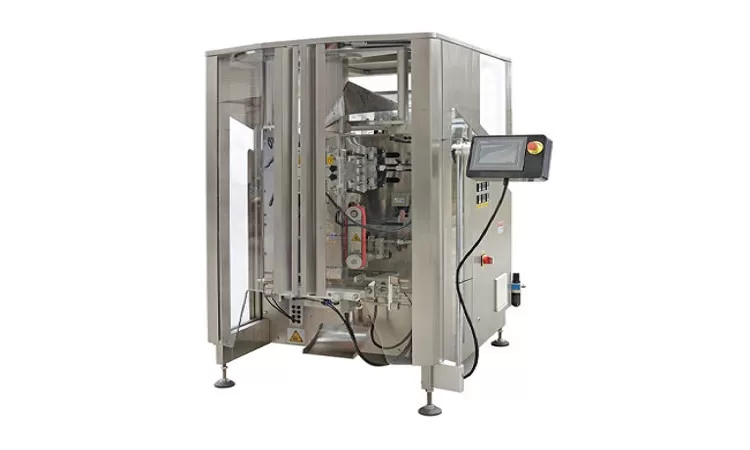
VFFS Equipment: The Ultimate Guide to Vertical Form Fill Seal Technology
13-03-2026 -
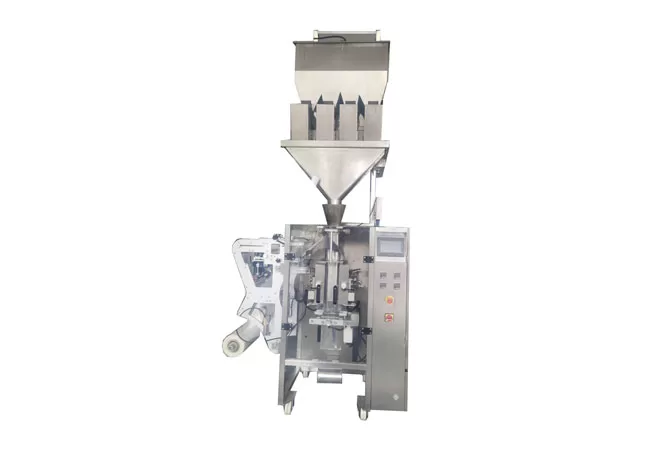
The Essential Guide to Weight Packing Machines for Precision Weighing
12-03-2026 -
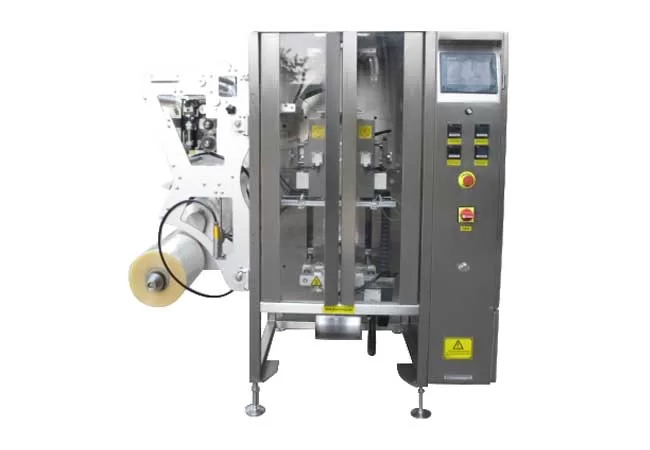
Power Packing Machine: The Ultimate Guide to Heavy-Duty Packaging Efficiency
11-03-2026 -
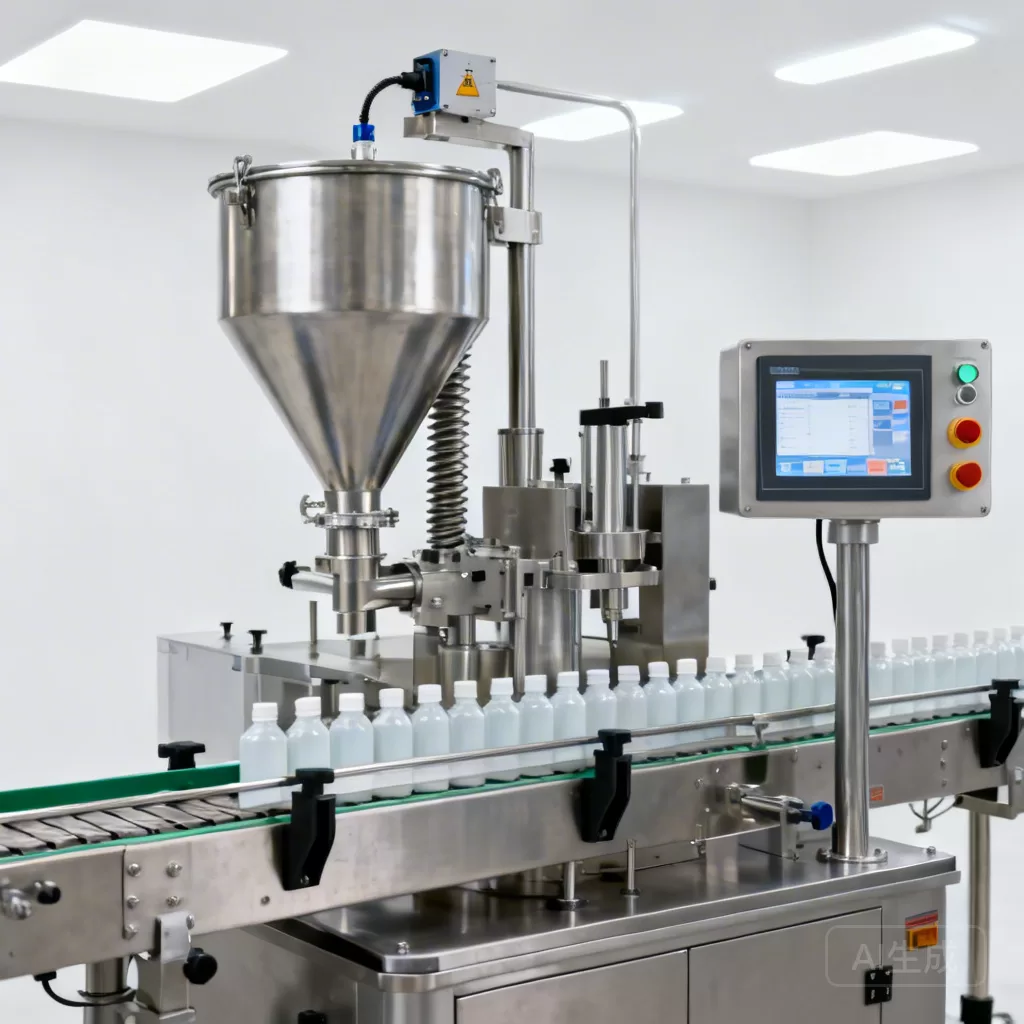
Weigher Packing Machine: The Definitive Guide to Precision Weighing & Packaging
10-03-2026 -
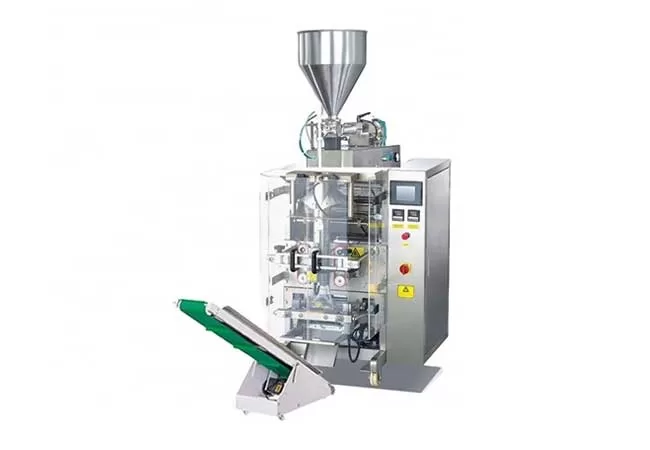
Auger Type Powder Filling Machine: The Ultimate Guide to Precision Packaging
09-03-2026 -
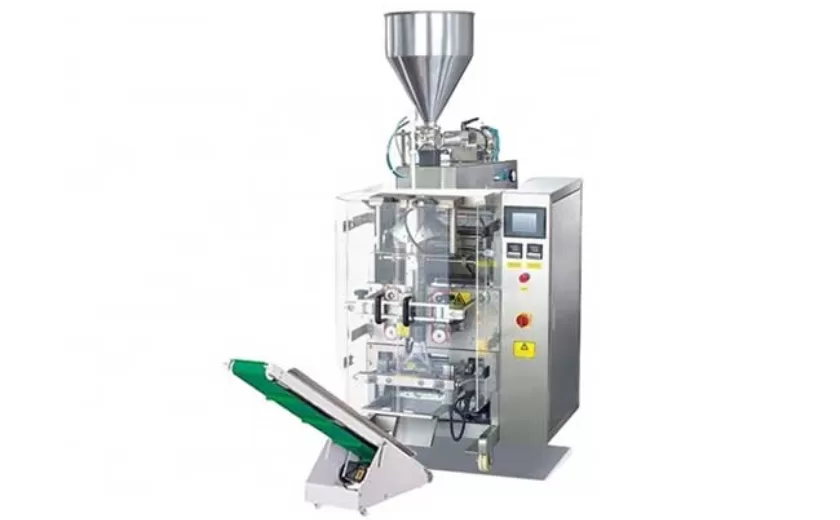
Advanced Packing Solutions: Snacks, Sugar, and Frozen Food Machines
29-10-2025 -
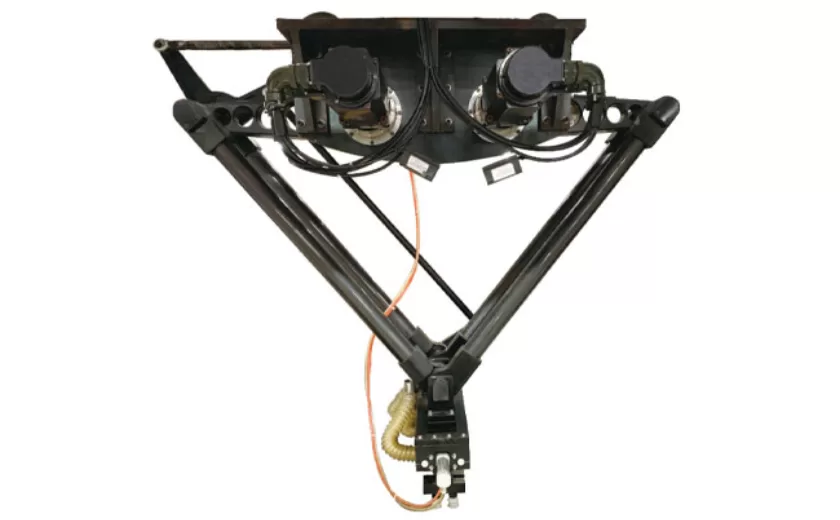
Efficient and Reliable Solutions for Salt, Nuts, and Frozen Dumplings Packing
29-10-2025 -
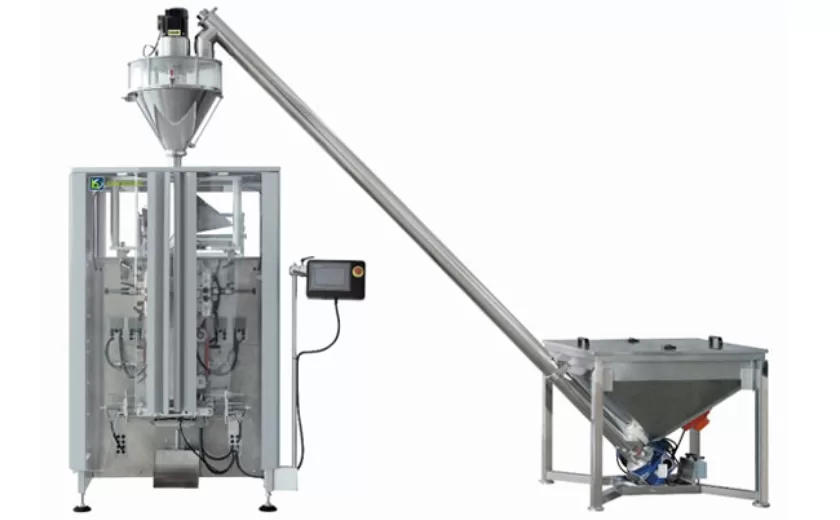
High-Performance Biscuits, Lollipop, and Ketchup Packing Machines for Modern Food Production
29-10-2025 -
Efficient Liquid Filling and Packing Machines for Modern Production
23-10-2025 -
Reliable Granule Packaging Machines for Efficient Production
23-10-2025
