
How to Train Your Staff on Operating Automatic Auger Filling Machines
In today’s fast-paced manufacturing environment, optimizing efficiency and accuracy is essential. Automatic auger filling machines play a crucial role in achieving these goals, ensuring precise and consistent filling of various products. To maximize the productivity and safety of your operations, it is imperative to provide comprehensive training to your staff on operating these machines effectively.
Familiarization with the Machine
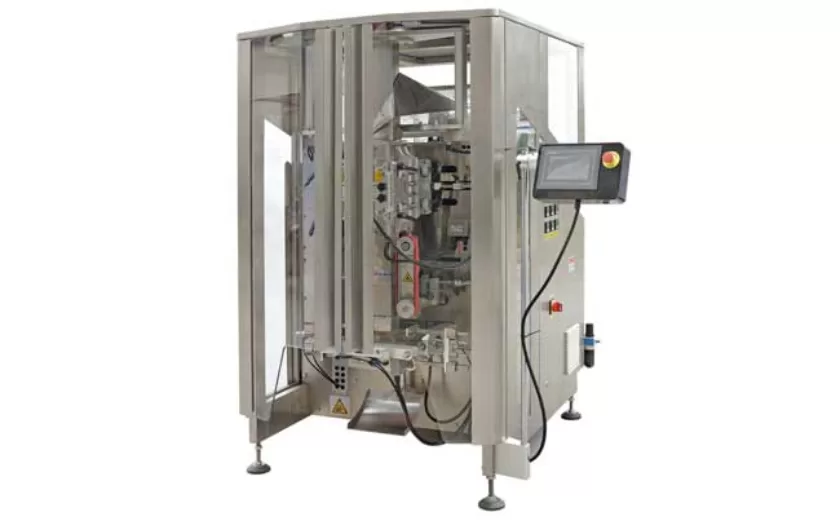
1. Introduction to the Auger Filling Machine: Begin by thoroughly explaining the components and functions of the machine, including the auger, filling nozzle, hopper, and controls. Highlight the importance of each component and its role in the filling process.
2. Safety Precautions: Emphasize the safety measures associated with operating the machine, such as wearing proper protective gear, keeping hands clear of moving parts, and following established safety protocols. Regular maintenance and inspections should also be covered.
Operational Procedures
1. Machine Setup: Provide step-by-step instructions on how to prepare the machine for operation, including loading the product into the hopper, adjusting the auger speed and fill level, and calibrating the scale.
2. Filling Process: Demonstrate the proper technique for initiating the filling cycle, monitoring the process, and adjusting the fill settings as needed to ensure accurate and consistent dosing.
3. Cleaning and Maintenance: Train staff on the importance of regular cleaning and maintenance to keep the machine in optimal condition. Emphasize the proper procedures for cleaning the hopper, auger, and nozzles, as well as performing routine maintenance checks.
Troubleshooting and Problem-Solving
1. Common Errors and Troubleshooting: Provide a checklist of potential errors that may occur during operation, such as underfilling, overfilling, or machine jams. Guide staff on how to diagnose and resolve these issues promptly.
2. Problem-Solving Strategies: Encourage staff to develop analytical and problem-solving skills by presenting them with realistic scenarios and guiding them through the process of identifying the root cause and finding effective solutions.
Performance Monitoring and Evaluation
1. Quality Control: Train staff on the importance of maintaining consistent filling accuracy and product quality. Provide guidance on conducting regular quality checks and implementing statistical process control methods.
2. Performance Metrics: Establish performance metrics and train staff on monitoring and evaluating their own performance against these standards. This will foster a sense of accountability and encourage continuous improvement.
Continuous Training and Development
1. Refresher Training: Conduct periodic refresher training sessions to reinforce the knowledge and skills covered in the initial training. This ensures that staff remains proficient and up-to-date with any changes to the machine or processes.
2. Advanced Training: Provide opportunities for staff to advance their skills and knowledge by offering training on more complex features of the machine, such as automation, data tracking, and remote monitoring.


-
VFFS Equipment: The Ultimate Guide to Vertical Form Fill Seal Technology
13-03-2026 -
The Essential Guide to Weight Packing Machines for Precision Weighing
12-03-2026 -
Power Packing Machine: The Ultimate Guide to Heavy-Duty Packaging Efficiency
11-03-2026 -
Weigher Packing Machine: The Definitive Guide to Precision Weighing & Packaging
10-03-2026 -
Auger Type Powder Filling Machine: The Ultimate Guide to Precision Packaging
09-03-2026 -
Advanced Packing Solutions: Snacks, Sugar, and Frozen Food Machines
29-10-2025 -
Efficient and Reliable Solutions for Salt, Nuts, and Frozen Dumplings Packing
29-10-2025 -
High-Performance Biscuits, Lollipop, and Ketchup Packing Machines for Modern Food Production
29-10-2025 -
Efficient Liquid Filling and Packing Machines for Modern Production
23-10-2025 -
Reliable Granule Packaging Machines for Efficient Production
23-10-2025
