
How to Optimize Your Vertical Pouch Packing Process
How to Optimize Your Vertical Pouch Packing Process: A Guide to Unlocking Efficiency
In today’s fast-paced packaging landscape, streamlining your vertical pouch packing process is paramount to maintaining competitiveness and achieving operational excellence. Optimizing this critical operation can unlock a treasure trove of benefits, including enhanced productivity, reduced costs, and heightened customer satisfaction.
Step 1: Equipment Evaluation
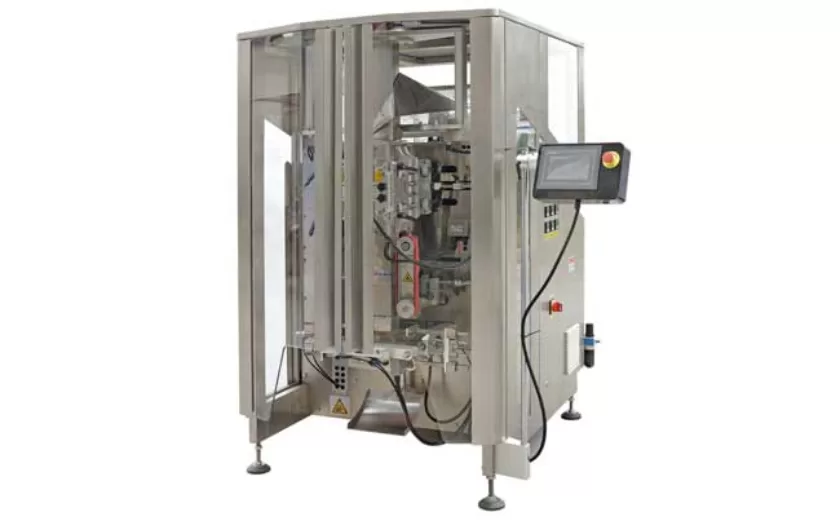
The foundation of an optimized packing process lies in the equipment you use. Conduct a thorough audit of your vertical form fill seal (VFFS) machine, paying close attention to its speed, accuracy, and reliability. Identifying areas for improvement will guide your investment decisions for upgrades or replacements.
Step 2: Material Optimization
The choice of packaging material can significantly impact your packing process. Explore various film options, considering factors such as durability, moisture resistance, and printability. By selecting the right material, you can minimize pouch breakage, prevent product contamination, and enhance shelf life.
Step 3: Product Handling
Efficient product handling is crucial to maximizing output. Implement automated systems for product feeding and orientation. Ensure proper product alignment and separation to prevent jams and product damage. Optimize conveying speeds and distances to ensure a smooth and uninterrupted flow of products.
Step 4: Pouch Forming and Sealing
The forming and sealing of pouches require precise control. Fine-tune your machine’s settings to ensure accurate pouch dimensions, consistent seals, and optimal pouch integrity. Proper sealing temperature, pressure, and dwell time are essential to prevent leaks or premature opening.
Step 5: Operator Training and Supervision
Empowered operators are essential for successful packing operations. Provide comprehensive training on equipment operation, product handling, and quality control. Establish clear protocols for monitoring and adjusting the process as needed. Regular supervision ensures adherence to best practices and timely identification of potential issues.
Step 6: Process Monitoring and Control
Implement real-time monitoring systems to track key process parameters such as speed, temperature, and pouch weight. This data allows for proactive adjustments and early detection of deviations. By identifying bottlenecks and addressing anomalies promptly, you can maximize uptime and prevent costly downtime.
Step 7: Predictive Maintenance
Adopt a proactive approach to maintenance by implementing predictive analytics. Monitor equipment performance, identify potential failure points, and schedule maintenance based on actual need. This approach minimizes unplanned outages, reduces repair costs, and extends equipment life.
By implementing these optimization strategies, you can unlock the full potential of your vertical pouch packing process. Enhanced productivity, reduced costs, and heightened customer satisfaction will drive your business forward, solidifying your position as a leader in the packaging industry.


-
VFFS Equipment: The Ultimate Guide to Vertical Form Fill Seal Technology
13-03-2026 -
The Essential Guide to Weight Packing Machines for Precision Weighing
12-03-2026 -
Power Packing Machine: The Ultimate Guide to Heavy-Duty Packaging Efficiency
11-03-2026 -
Weigher Packing Machine: The Definitive Guide to Precision Weighing & Packaging
10-03-2026 -
Auger Type Powder Filling Machine: The Ultimate Guide to Precision Packaging
09-03-2026 -
Advanced Packing Solutions: Snacks, Sugar, and Frozen Food Machines
29-10-2025 -
Efficient and Reliable Solutions for Salt, Nuts, and Frozen Dumplings Packing
29-10-2025 -
High-Performance Biscuits, Lollipop, and Ketchup Packing Machines for Modern Food Production
29-10-2025 -
Efficient Liquid Filling and Packing Machines for Modern Production
23-10-2025 -
Reliable Granule Packaging Machines for Efficient Production
23-10-2025
