
How to Maximize Shelf Life with Zipper Pouch Packing
In the realm of preserving freshness and extending shelf life, zipper pouch packing emerges as a formidable force. This ingenious packaging solution not only safeguards products from external contamination but also effectively combatting the detrimental effects of time.
Understanding the Role of Oxygen
Oxygen, the root of many food spoilage processes, serves as an accomplice in the deterioration of products. By removing or limiting the presence of oxygen within the pouch, zipper pouch packing effectively inhibits the growth of microorganisms, such as bacteria and mold, which thrive in its absence.
Moisture Management
Moisture, another key factor in food quality deterioration, finds its nemesis in zipper pouch packing. The airtight seal created by the zipper closure prevents moisture from entering or escaping the pouch, maintaining the product’s optimal moisture content. This inhibits the formation of mold and spoilage, extending the product’s longevity.
Temperature Control
Zipper pouch packing can play a crucial role in temperature control, preserving the integrity of temperature-sensitive products. By incorporating insulating materials or temperature-regulating additives into the pouch structure, the packaging can help to maintain a stable temperature environment, protecting the product from extreme heat or cold.
Physical Protection
Physical damage can compromise product quality and shorten its shelf life. Zipper pouch packing provides ample protection against impact, crushing, and punctures, safeguarding the product from external threats. The durable materials used in pouch construction ensure that products remain intact throughout the packaging, transportation, and storage processes.
Inert Materials
Zipper pouches are typically constructed from inert materials, such as polyethylene or polypropylene, which do not react with the product. This eliminates the risk of chemical contaminants leaching into the product, preserving its purity and extending its shelf life.
Implementing Effective Zipper Pouch Techniques
Maximizing the benefits of zipper pouch packing requires adherence to proper techniques. Ensure the pouch is thoroughly sealed to prevent air ingress. Use the correct pouch size and fill it to capacity to minimize headspace and reduce oxygen contact. Consider incorporating oxygen absorbers or moisture-absorbing sachets for enhanced preservation.
By harnessing the power of zipper pouch packing, manufacturers and retailers can significantly extend product shelf life, safeguarding against spoilage, maintaining quality, and maximizing profitability through reduced waste and increased consumer satisfaction.


-
VFFS Equipment: The Ultimate Guide to Vertical Form Fill Seal Technology
13-03-2026 -
The Essential Guide to Weight Packing Machines for Precision Weighing
12-03-2026 -
Power Packing Machine: The Ultimate Guide to Heavy-Duty Packaging Efficiency
11-03-2026 -
Weigher Packing Machine: The Definitive Guide to Precision Weighing & Packaging
10-03-2026 -
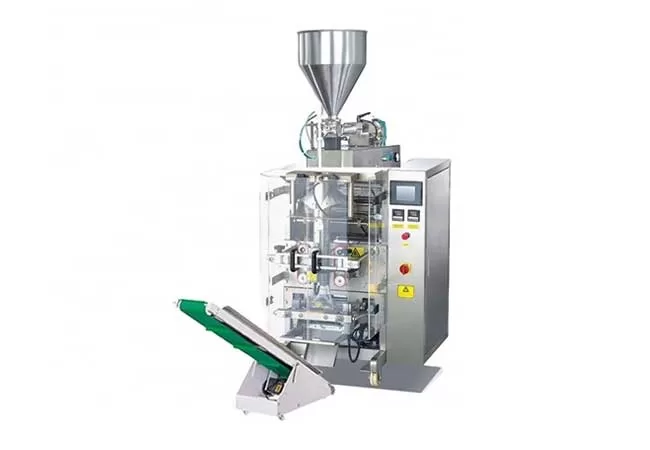
Auger Type Powder Filling Machine: The Ultimate Guide to Precision Packaging
09-03-2026 -
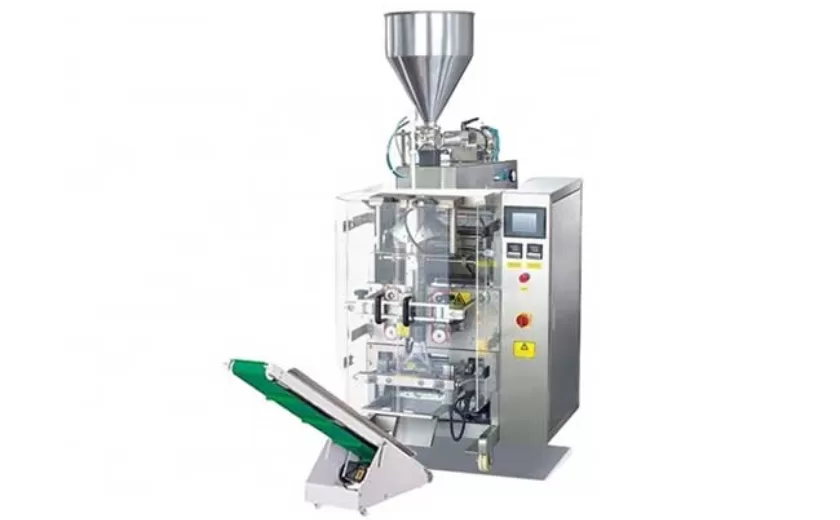
Advanced Packing Solutions: Snacks, Sugar, and Frozen Food Machines
29-10-2025 -
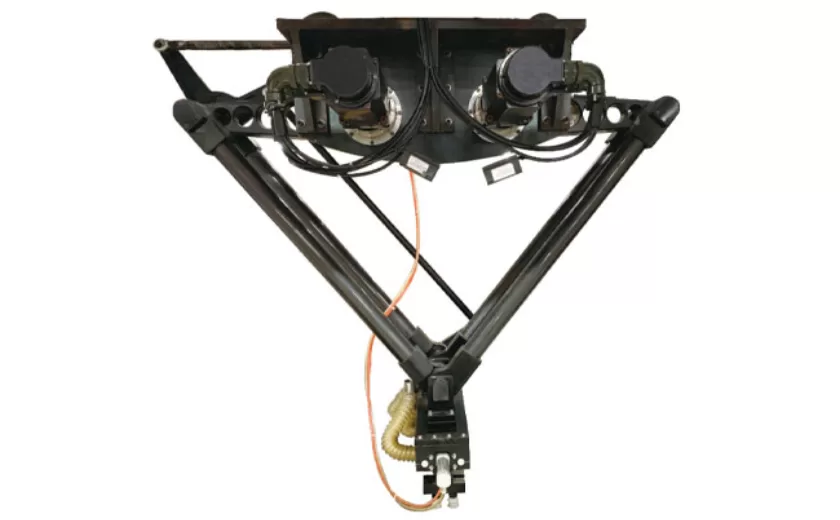
Efficient and Reliable Solutions for Salt, Nuts, and Frozen Dumplings Packing
29-10-2025 -
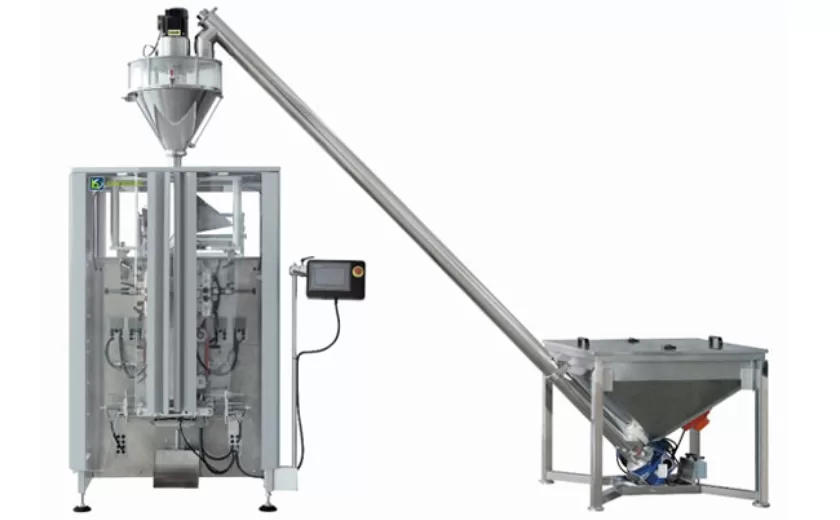
High-Performance Biscuits, Lollipop, and Ketchup Packing Machines for Modern Food Production
29-10-2025 -
Efficient Liquid Filling and Packing Machines for Modern Production
23-10-2025 -
Reliable Granule Packaging Machines for Efficient Production
23-10-2025
