
How to Ensure Quality Control in Candy Flow Wrapping Processes
Ensuring quality control in candy flow wrapping processes is crucial to maintain product safety, customer satisfaction, and brand reputation. Effective quality control measures help identify and eliminate defects, ensuring that only high-quality products reach consumers. Here’s a comprehensive guide to implementing robust quality control processes in candy flow wrapping operations:
Raw Material Inspection
Thoroughly inspect raw materials, including candy ingredients, packaging materials, and adhesives. Verify that they meet specifications and are free from contaminants. Establish clear acceptance criteria and implement procedures for rejecting non-conforming materials.
Equipment Maintenance and Calibration
Properly maintain and calibrate flow wrapping machines to ensure accuracy and consistency. Regular maintenance includes cleaning, lubrication, and adjustment as per the manufacturer’s guidelines. Calibrate sensors, such as temperature and tension controllers, to ensure precise operation.
Process Parameter Monitoring
Monitor critical process parameters during flow wrapping, such as temperature, humidity, and sealing pressure. Establish acceptable ranges and continuously monitor these parameters to identify any deviations. Implement alarm systems to alert operators to potential issues.
Visual Inspection
Conduct thorough visual inspections of wrapped candies before and after packaging. Trained inspectors should check for defects such as torn wrappers, misaligned seals, and broken pieces. Implement rigorous standards for visual appearance and establish clear rejection criteria.
Leakage Testing
Perform leak testing on wrapped candies to ensure that they are hermetically sealed. Use automated leak detection equipment or manual methods to identify punctures, tears, or improper sealing. Establish acceptance criteria and implement corrective actions to rectify any leaks.
Weight and Measurement Control
Verify the weight and dimensions of wrapped candies against established specifications. Use accurate measuring devices and establish tolerance limits. Overweight or underweight candies indicate potential issues with packaging efficiency or portion control.
Data Analysis and Improvement
Regularly collect and analyze quality control data to identify trends and areas for improvement. Use statistical tools to detect variations and identify root causes of defects. Implement corrective actions and monitor the effectiveness of these improvements.
Operator Training and Certification
Train operators on proper flow wrapping techniques and quality control procedures. Ensure that they understand the importance of following established standards and have the necessary skills to identify and address defects. Implement operator certification programs to demonstrate proficiency.
Continuous Improvement
Establish a culture of continuous improvement in the quality control process. Encourage suggestions from operators and other stakeholders. Regularly review quality control measures and make necessary adjustments to enhance effectiveness and efficiency.


-
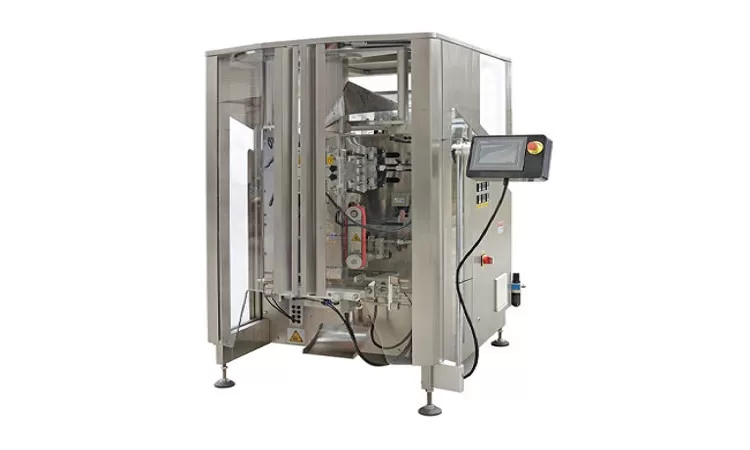
VFFS Equipment: The Ultimate Guide to Vertical Form Fill Seal Technology
13-03-2026 -
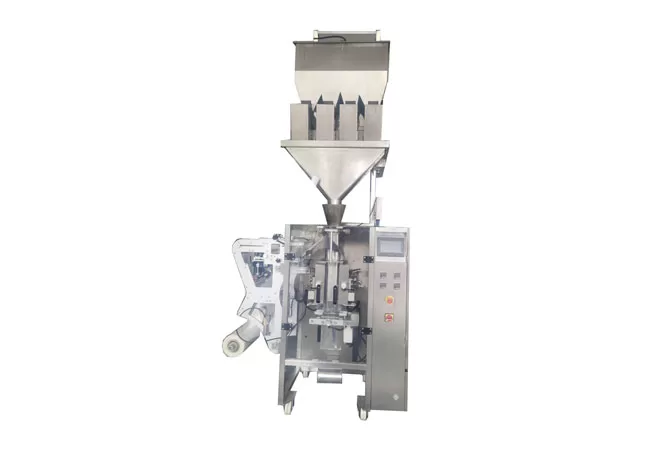
The Essential Guide to Weight Packing Machines for Precision Weighing
12-03-2026 -
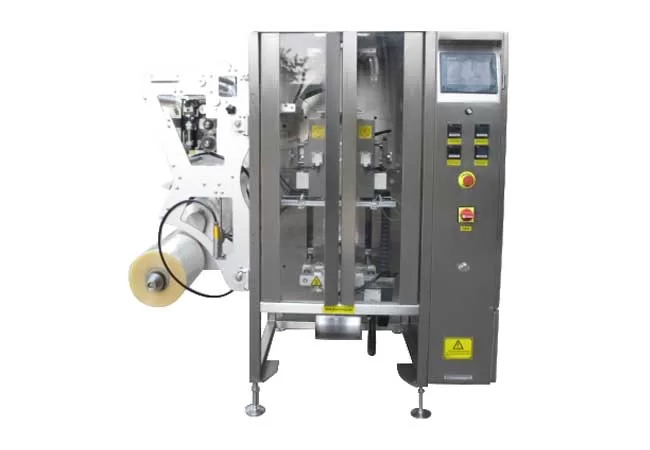
Power Packing Machine: The Ultimate Guide to Heavy-Duty Packaging Efficiency
11-03-2026 -
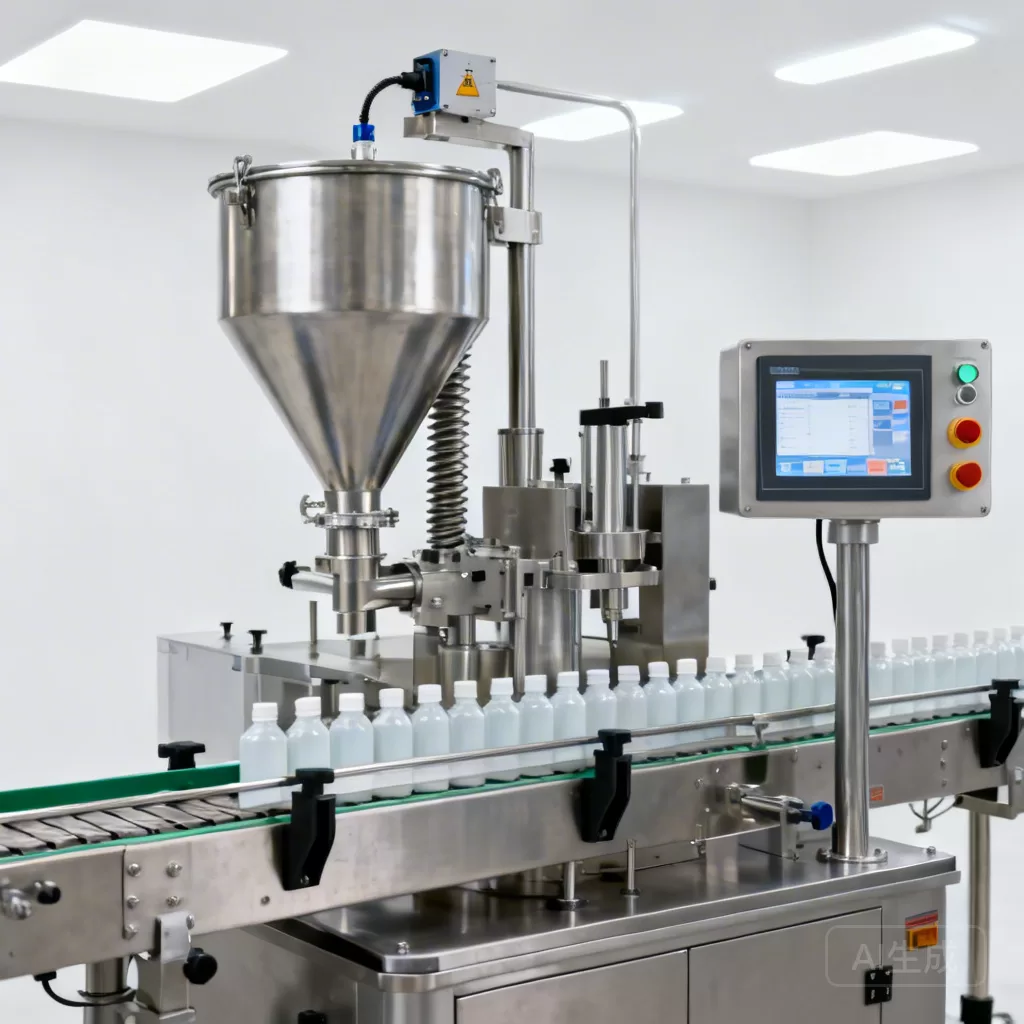
Weigher Packing Machine: The Definitive Guide to Precision Weighing & Packaging
10-03-2026 -
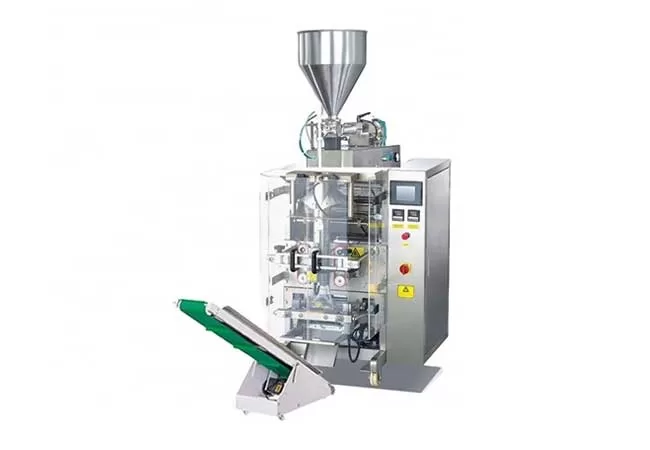
Auger Type Powder Filling Machine: The Ultimate Guide to Precision Packaging
09-03-2026 -
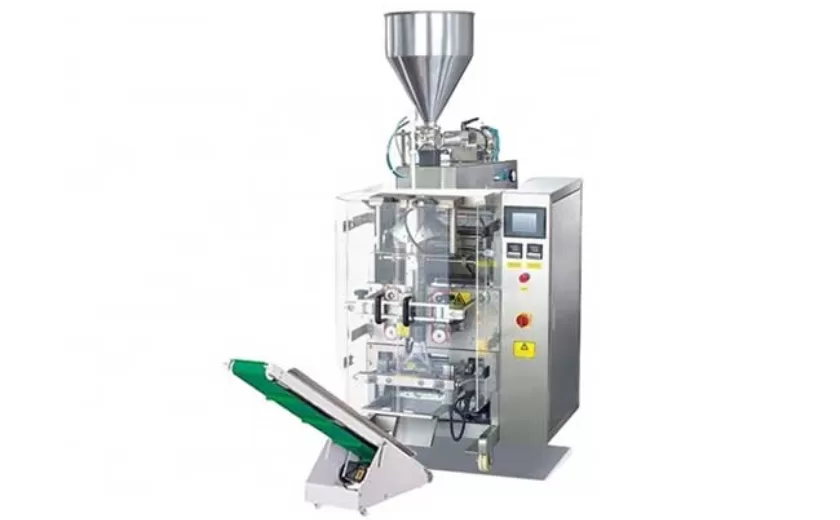
Advanced Packing Solutions: Snacks, Sugar, and Frozen Food Machines
29-10-2025 -
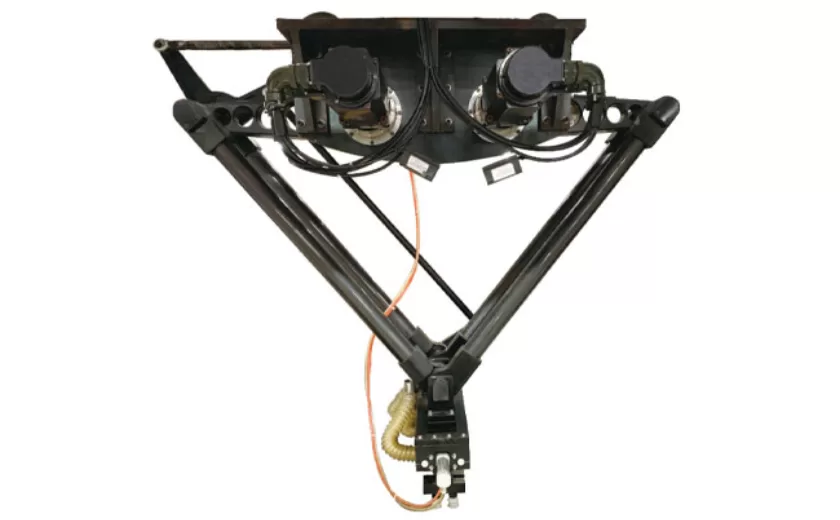
Efficient and Reliable Solutions for Salt, Nuts, and Frozen Dumplings Packing
29-10-2025 -
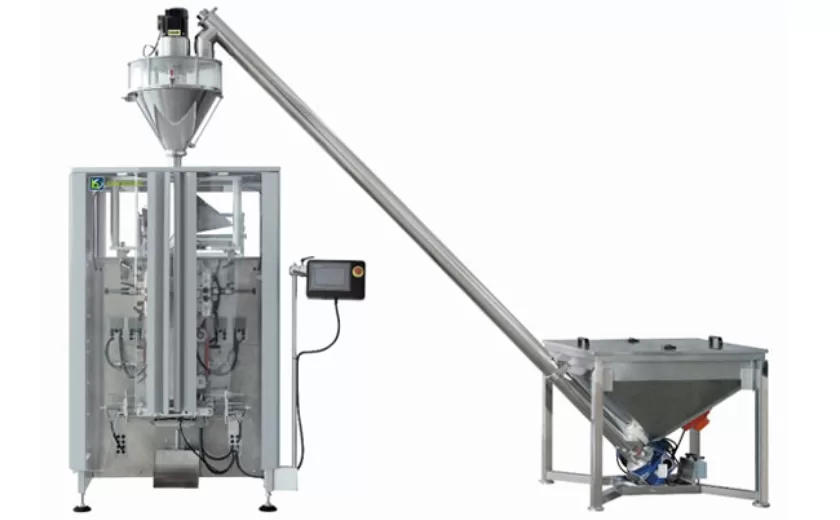
High-Performance Biscuits, Lollipop, and Ketchup Packing Machines for Modern Food Production
29-10-2025 -
Efficient Liquid Filling and Packing Machines for Modern Production
23-10-2025 -
Reliable Granule Packaging Machines for Efficient Production
23-10-2025
