
How to Ensure Consistency in Detergent Filling and Sealing Processes
In the realm of manufacturing, consistency is paramount. Variations in detergent filling and sealing processes can have far-reaching consequences, compromising product quality, consumer satisfaction, and brand reputation. Ensuring unwavering consistency is a multifaceted endeavor, requiring meticulous attention to detail and a comprehensive approach that encompasses the following strategies:
1. Standardized Operating Procedures (SOPs):
Establish clear and concise SOPs that define every step of the filling and sealing processes. These documents should outline the sequence of operations, required settings, and acceptable tolerances. Adhering to SOPs ensures that all operators follow the same procedures, minimizing potential variations.
2. Equipment Calibration and Maintenance:
Regularly calibrate filling and sealing equipment to ensure accurate and consistent performance. Calibrations should be performed by qualified technicians using certified instruments. Preventative maintenance programs can identify and resolve potential issues before they impact production, reducing downtime and ensuring optimal equipment functionality.
3. Monitoring and Control Systems:
Implement monitoring and control systems to track and adjust process parameters in real-time. Sensors can monitor detergent weight, seal integrity, and other critical variables. Automatic feedback loops can adjust settings as needed to maintain consistency.
4. Data Analysis and Process Optimization:
Collect and analyze data from monitoring and control systems to identify areas for improvement. Statistical process control (SPC) techniques can help pinpoint variations and optimize processes. Continuous process improvement initiatives can drive ongoing refinements to enhance consistency.
5. Operator Training and Certification:
Provide comprehensive training to operators on proper filling and sealing techniques. Certification programs can ensure that operators have the required knowledge and skills to execute processes consistently. Refresher training sessions can reinforce best practices and address any changes in procedures.
6. Quality Control Inspections:
Implement rigorous quality control inspections at designated intervals. These inspections should verify detergent weight, seal integrity, and other critical quality attributes. Nonconforming units should be identified and removed from the production line.
7. Traceability and Documentation:
Maintain detailed records of all filling and sealing operations. Traceability data should enable identification of the equipment, operators, materials, and settings used for each batch. This documentation provides a valuable audit trail for quality assurance and regulatory compliance.
By implementing these strategies, manufacturers can achieve unwavering consistency in detergent filling and sealing processes. This consistency ensures product quality, enhances consumer confidence, and safeguards brand reputation. In today’s competitive market, where efficiency and precision are essential, prioritizing consistency is the key to maintaining a competitive edge and driving business success.


-
VFFS Equipment: The Ultimate Guide to Vertical Form Fill Seal Technology
13-03-2026 -
The Essential Guide to Weight Packing Machines for Precision Weighing
12-03-2026 -
Power Packing Machine: The Ultimate Guide to Heavy-Duty Packaging Efficiency
11-03-2026 -
Weigher Packing Machine: The Definitive Guide to Precision Weighing & Packaging
10-03-2026 -
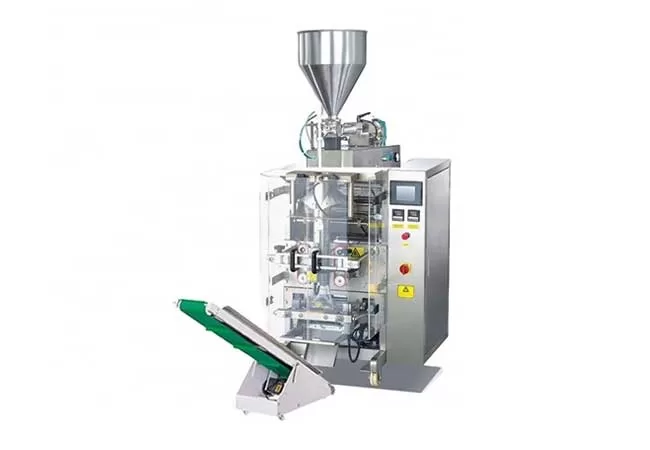
Auger Type Powder Filling Machine: The Ultimate Guide to Precision Packaging
09-03-2026 -
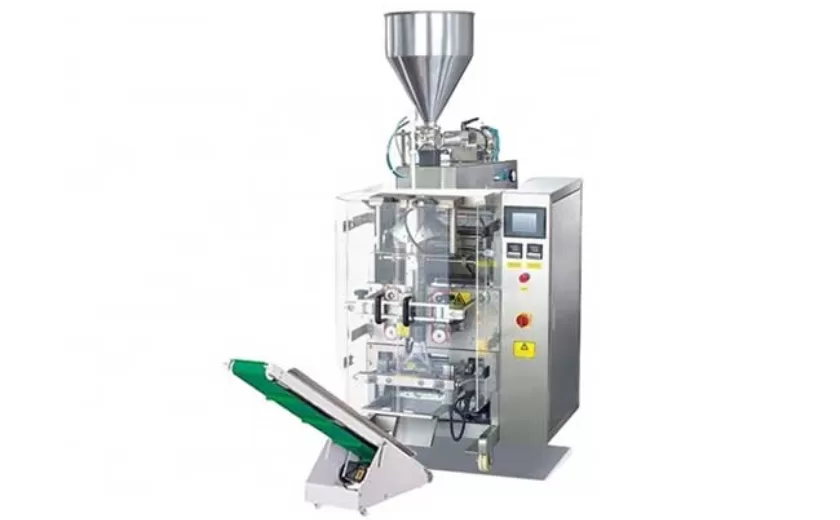
Advanced Packing Solutions: Snacks, Sugar, and Frozen Food Machines
29-10-2025 -
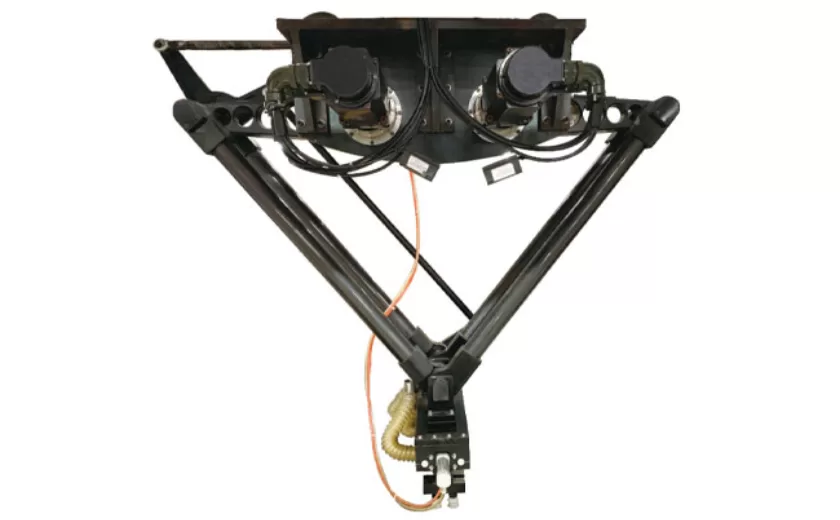
Efficient and Reliable Solutions for Salt, Nuts, and Frozen Dumplings Packing
29-10-2025 -
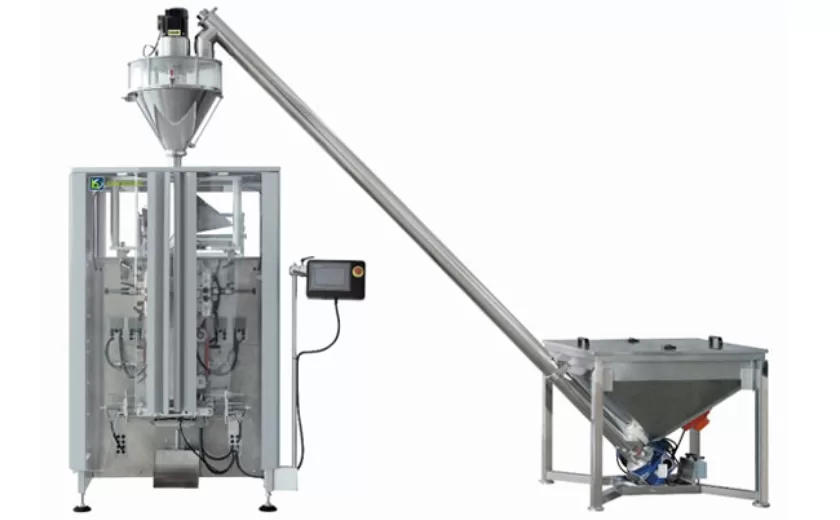
High-Performance Biscuits, Lollipop, and Ketchup Packing Machines for Modern Food Production
29-10-2025 -
Efficient Liquid Filling and Packing Machines for Modern Production
23-10-2025 -
Reliable Granule Packaging Machines for Efficient Production
23-10-2025
