
How to Choose the Right Packaging Material for Horizontal Flow Wrapping
In the competitive landscape of modern packaging, selecting the optimal packaging material for horizontal flow wrapping is a pivotal decision that can profoundly impact product preservation, brand perception, and overall customer satisfaction.
Horizontal flow wrapping machines encapsulate products within flexible packaging materials, creating a protective barrier and enhancing shelf life. Navigating the myriad of packaging options available can be daunting, but understanding the nuances of each material empowers manufacturers to make an informed choice.
Considerations for Material Selection:
Product Requirements: The nature of the product dictates specific packaging needs. For instance, perishable goods require materials with high gas barrier properties to maintain freshness, while durable items may opt for more cost-effective options.
Packaging Equipment: The compatibility of the packaging material with the horizontal flow wrapping machine is essential. Different materials have varying thickness, flexibility, and thermal properties that must align with the machine’s capabilities.
Environmental Factors: Sustainability considerations are increasingly influential. Biodegradable and recyclable materials reduce environmental impact and align with consumer values.
Common Packaging Materials for Horizontal Flow Wrapping:
Polyethylene (PE): Flexible and economical, PE offers a balance of protection and durability. It is often used for non-perishable items like candies or baked goods.
Polypropylene (PP): A strong and glossy material, PP provides excellent moisture and oxygen barrier properties. It is ideal for packaging snacks, pharmaceuticals, and medical devices.
Polyvinyl Chloride (PVC): Rigid and transparent, PVC offers high visibility and is often used for packaging toys or other non-food items.
Laminated Films: Combining multiple layers of different materials, laminated films provide enhanced protection and extended shelf life. They are often used for packaging sensitive electronics or food products.
Selecting the Right Material:
To choose the optimal packaging material, manufacturers should consider the specific requirements of their product, the compatibility with equipment, and any environmental concerns. By carefully evaluating these factors, they can make an informed decision that ensures optimal product protection, brand value, and customer satisfaction.
:
Choosing the right packaging material for horizontal flow wrapping is a critical decision that influences product quality, brand perception, and overall customer experience. By understanding the nuances of different materials and considering the unique needs of their product, manufacturers can optimize their packaging strategy and gain a competitive edge in the marketplace.


-
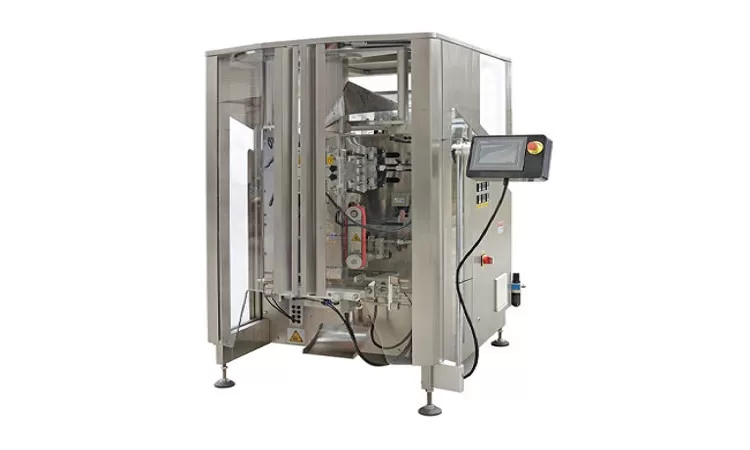
VFFS Equipment: The Ultimate Guide to Vertical Form Fill Seal Technology
13-03-2026 -
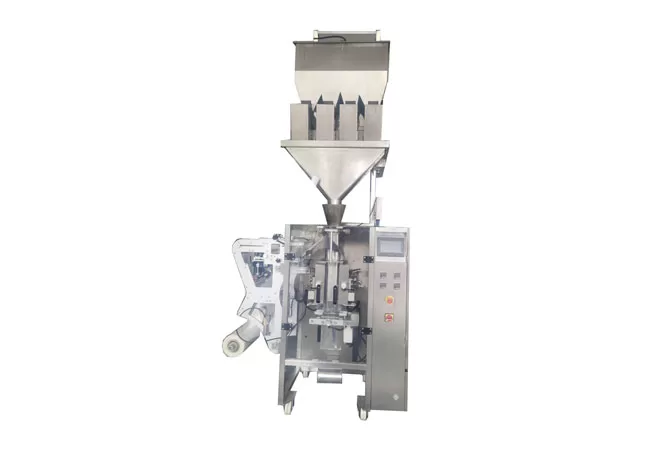
The Essential Guide to Weight Packing Machines for Precision Weighing
12-03-2026 -
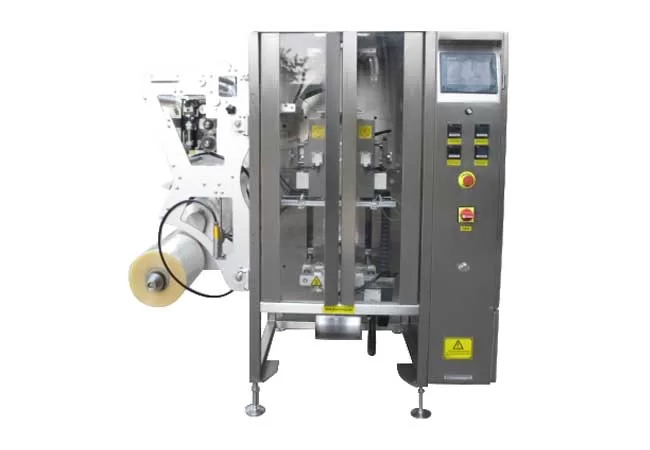
Power Packing Machine: The Ultimate Guide to Heavy-Duty Packaging Efficiency
11-03-2026 -
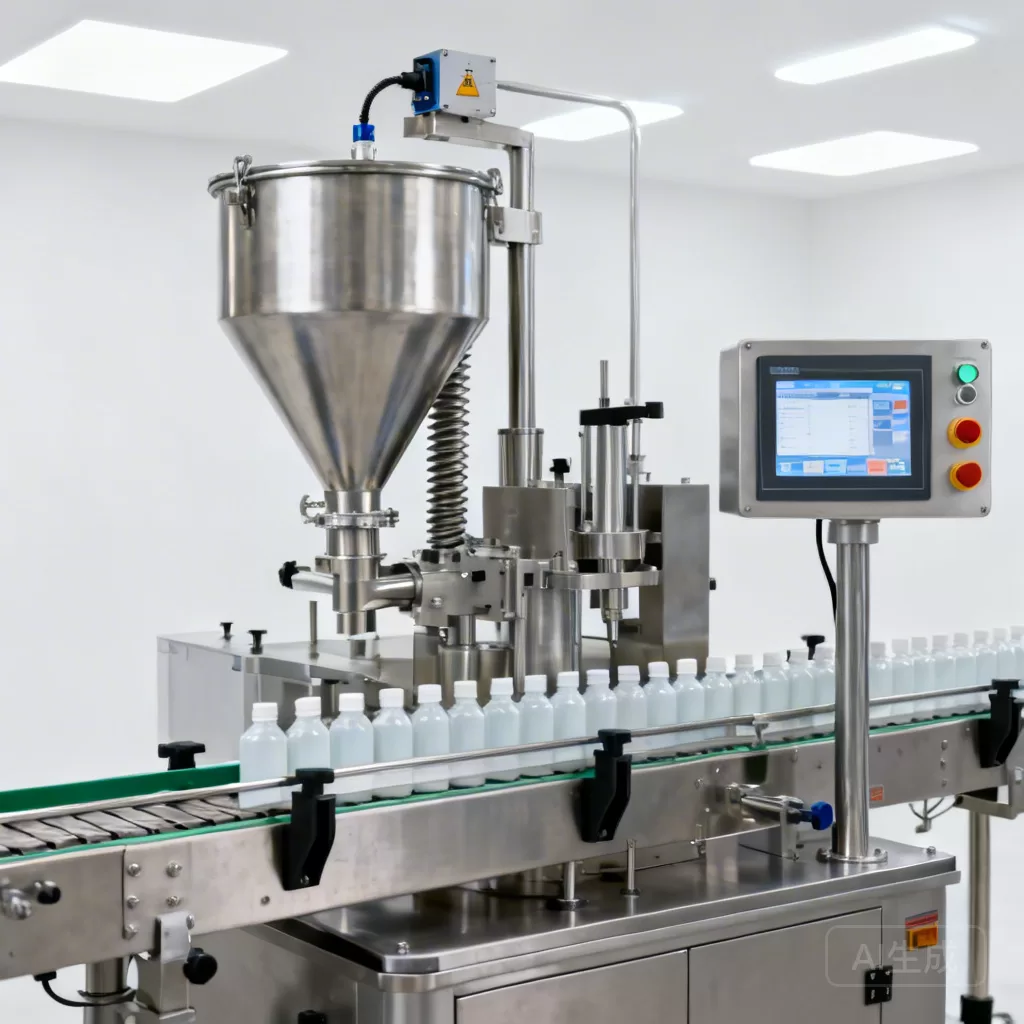
Weigher Packing Machine: The Definitive Guide to Precision Weighing & Packaging
10-03-2026 -
Auger Type Powder Filling Machine: The Ultimate Guide to Precision Packaging
09-03-2026 -
Advanced Packing Solutions: Snacks, Sugar, and Frozen Food Machines
29-10-2025 -
Efficient and Reliable Solutions for Salt, Nuts, and Frozen Dumplings Packing
29-10-2025 -
High-Performance Biscuits, Lollipop, and Ketchup Packing Machines for Modern Food Production
29-10-2025 -
Efficient Liquid Filling and Packing Machines for Modern Production
23-10-2025 -
Reliable Granule Packaging Machines for Efficient Production
23-10-2025
