
How to Achieve Precision with Your Automatic Weight Filling Machine
Automatic weight filling machines are designed to deliver consistent and accurate product weight, minimizing waste and ensuring product quality. However, achieving optimal precision with these machines requires meticulous attention to various factors. This article explores several aspects crucial to attaining high-precision weight filling.
Fine-Tuning Machine Parameters
Calibration: Regularly calibrate the weight filling machine’s scales to ensure they accurately measure the weight of the product. This involves comparing the machine’s readings to a reference weight and adjusting the scale’s sensitivity accordingly.
Fill Rate: Adjust the machine’s fill rate based on the product characteristics and required accuracy. A faster fill rate may lead to overfilling or underfilling, while a slower rate provides more time for the scale to stabilize.
Dribble Control: Enable the machine’s dribble control feature to prevent product dripping or overshooting during filling. This involves releasing a small amount of product at a slower rate toward the end of the fill cycle to ensure precise weight.
Optimizing Product Factors
Product Density: Consider the density of the product being filled. Different product densities require adjustments to the machine’s settings to account for the weight variations.
Product Flowability: Determine the product’s flow characteristics. Free-flowing products may require faster fill rates, while viscous products need slower rates to ensure consistent flow.
Product Temperature: The temperature of the product can affect its flowability and weight. Ensure the product is at the optimal temperature for filling to minimize inconsistencies.
Maintaining Machine Components
Hopper Level: Maintain an optimal level of product in the machine’s hopper to ensure consistent downward flow into the filling heads.
Filling Nozzles: Regularly clean and inspect the filling nozzles to prevent clogs or debris that could lead to uneven filling.
Conveyors: Keep the conveyors clean and well-maintained to prevent product spills or interruptions that could disrupt the filling process.
Employing Statistical Process Control (SPC)
Data Collection and Monitoring: Implement a statistical process control (SPC) system to collect and analyze data on the weight measurements.
Control Charts: Use control charts to monitor the filling process’s stability and identify trends or anomalies.
Continuous Improvement: Regularly review and evaluate the SPC data to identify areas for improvement and fine-tune the machine’s settings accordingly.
Conclusion
Achieving precision with automatic weight filling machines requires a comprehensive approach that encompasses fine-tuning machine parameters, optimizing product factors, maintaining machine components, and employing statistical process control. By diligently following these best practices, manufacturers can ensure consistent and accurate product weight, reducing waste, enhancing product quality, and improving overall efficiency.


-
VFFS Equipment: The Ultimate Guide to Vertical Form Fill Seal Technology
13-03-2026 -
The Essential Guide to Weight Packing Machines for Precision Weighing
12-03-2026 -
Power Packing Machine: The Ultimate Guide to Heavy-Duty Packaging Efficiency
11-03-2026 -
Weigher Packing Machine: The Definitive Guide to Precision Weighing & Packaging
10-03-2026 -
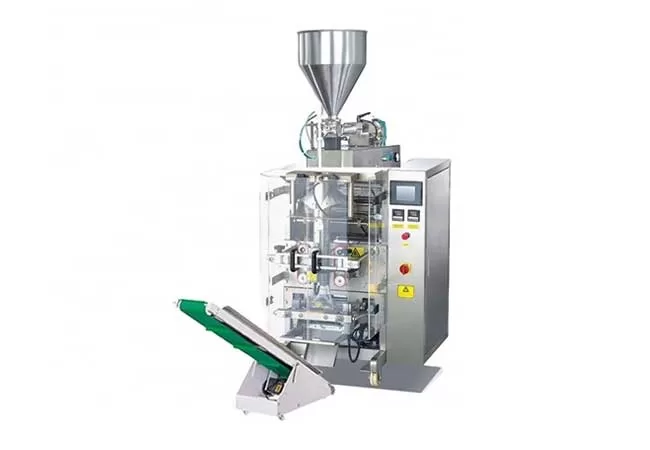
Auger Type Powder Filling Machine: The Ultimate Guide to Precision Packaging
09-03-2026 -
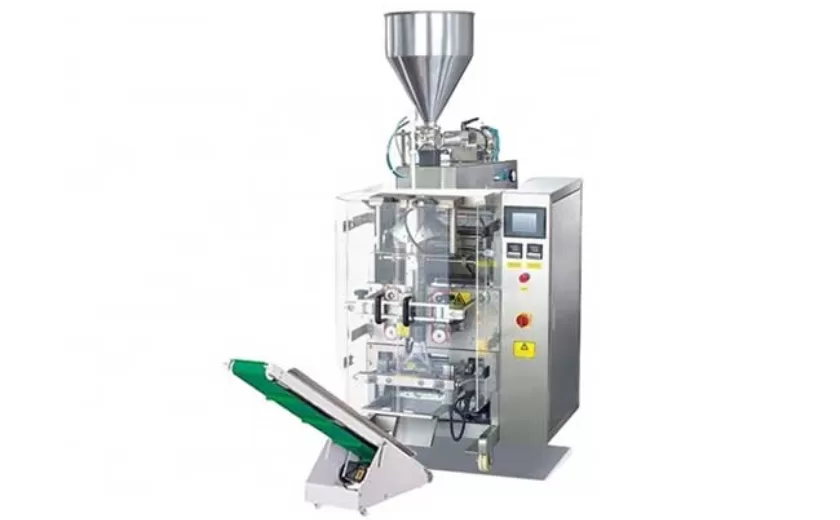
Advanced Packing Solutions: Snacks, Sugar, and Frozen Food Machines
29-10-2025 -
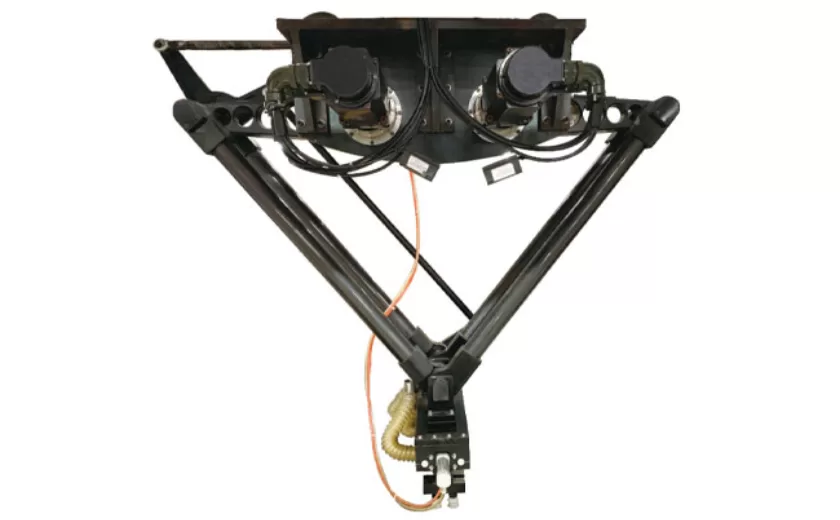
Efficient and Reliable Solutions for Salt, Nuts, and Frozen Dumplings Packing
29-10-2025 -
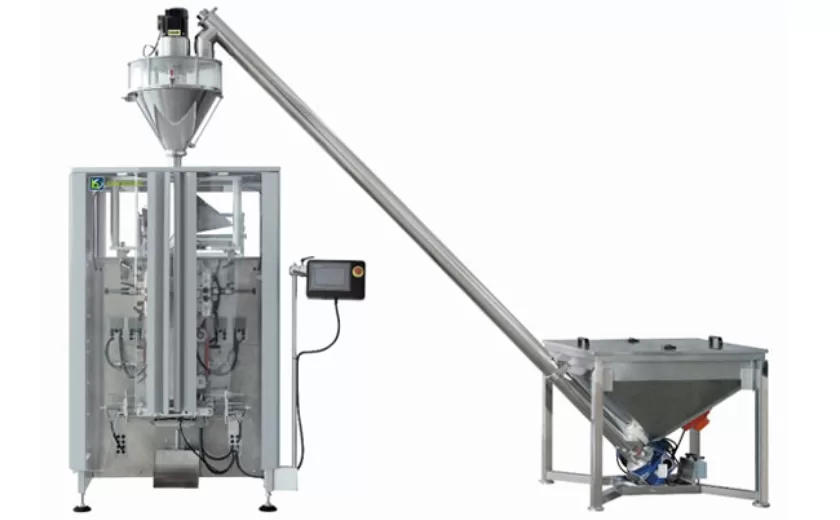
High-Performance Biscuits, Lollipop, and Ketchup Packing Machines for Modern Food Production
29-10-2025 -
Efficient Liquid Filling and Packing Machines for Modern Production
23-10-2025 -
Reliable Granule Packaging Machines for Efficient Production
23-10-2025
