
High-Speed Auger Fillers- A Comprehensive Cost-Benefit Analysis
In the realm of packaging automation, high-speed auger fillers stand out as a captivating technology. Offering unparalleled speed, precision, and versatility, these sophisticated machines have revolutionized production lines across various industries. This comprehensive cost-benefit analysis delves into the intricate details of high-speed auger fillers, exploring their multifaceted advantages and potential drawbacks to provide a well-rounded perspective on their implementation.
Benefits:
Enhanced Production Efficiency
High-speed auger fillers are designed to operate at lightning speeds, significantly increasing production output. Their ability to fill containers with high accuracy and consistency eliminates manual error, reducing downtime and boosting productivity. This enhanced efficiency translates into a substantial increase in the number of units produced per hour, optimizing production lines and maximizing revenue potential.
Precision Filling
Auger fillers employ a precise filling mechanism that ensures consistent and accurate dosing. This is critical for applications where precise control over the amount of product dispensed is essential. By eliminating overfilling or underfilling, manufacturers can minimize product loss and ensure compliance with industry standards, enhancing product quality and customer satisfaction.
Product Versatility
High-speed auger fillers are renowned for their ability to handle a wide range of products, from powders and granules to liquids and pastes. This versatility allows manufacturers to use the same equipment for multiple products, reducing the need for dedicated machines and optimizing capital investments. The adjustable auger design enables quick changeovers between different products, ensuring a seamless production process.
Costs:
Capital Investment
High-speed auger fillers represent a significant capital investment. The cost of purchasing and installing the equipment can be substantial, depending on the size, speed, and features required. However, the potential return on investment should be carefully considered in the context of the increased production efficiency and product quality it offers.
Maintenance and Operation
While high-speed auger fillers are designed for durability, they require regular maintenance and calibration to maintain optimal performance. The cost of spare parts and maintenance contracts should be factored into the overall cost of ownership. Additionally, the energy consumption of these machines should be considered to minimize operating expenses.
Skilled Labor
Operating and maintaining high-speed auger fillers typically requires skilled labor. The training and experience required to ensure proper operation and troubleshooting can add to the overall cost of implementation. Manufacturers should consider the availability of qualified personnel or invest in training programs to upskill their workforce.
Conclusion:
High-speed auger fillers offer a compelling combination of speed, accuracy, and versatility that can significantly enhance production efficiency and product quality. However, the capital investment, maintenance costs, and skilled labor requirements must be carefully evaluated to determine the overall cost-benefit ratio. By carefully considering the factors outlined in this analysis, manufacturers can make informed decisions about whether high-speed auger fillers represent a viable solution for their packaging needs and achieve a balance between productivity gains and operational expenses.


-
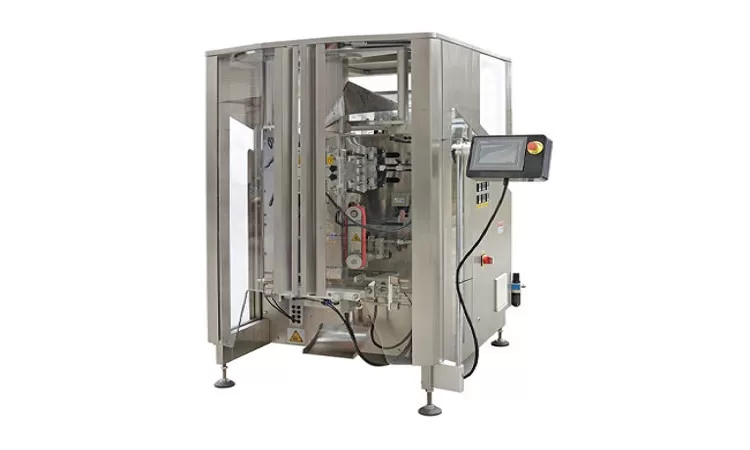
VFFS Equipment: The Ultimate Guide to Vertical Form Fill Seal Technology
13-03-2026 -
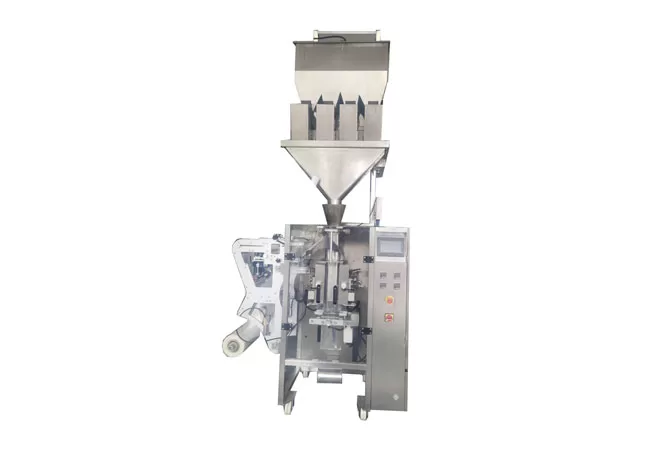
The Essential Guide to Weight Packing Machines for Precision Weighing
12-03-2026 -
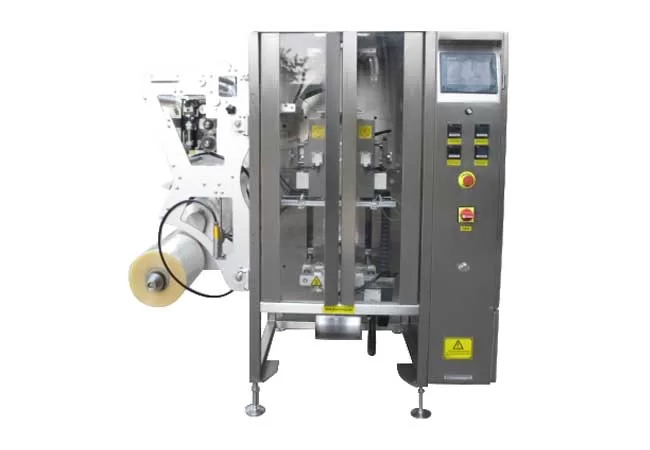
Power Packing Machine: The Ultimate Guide to Heavy-Duty Packaging Efficiency
11-03-2026 -
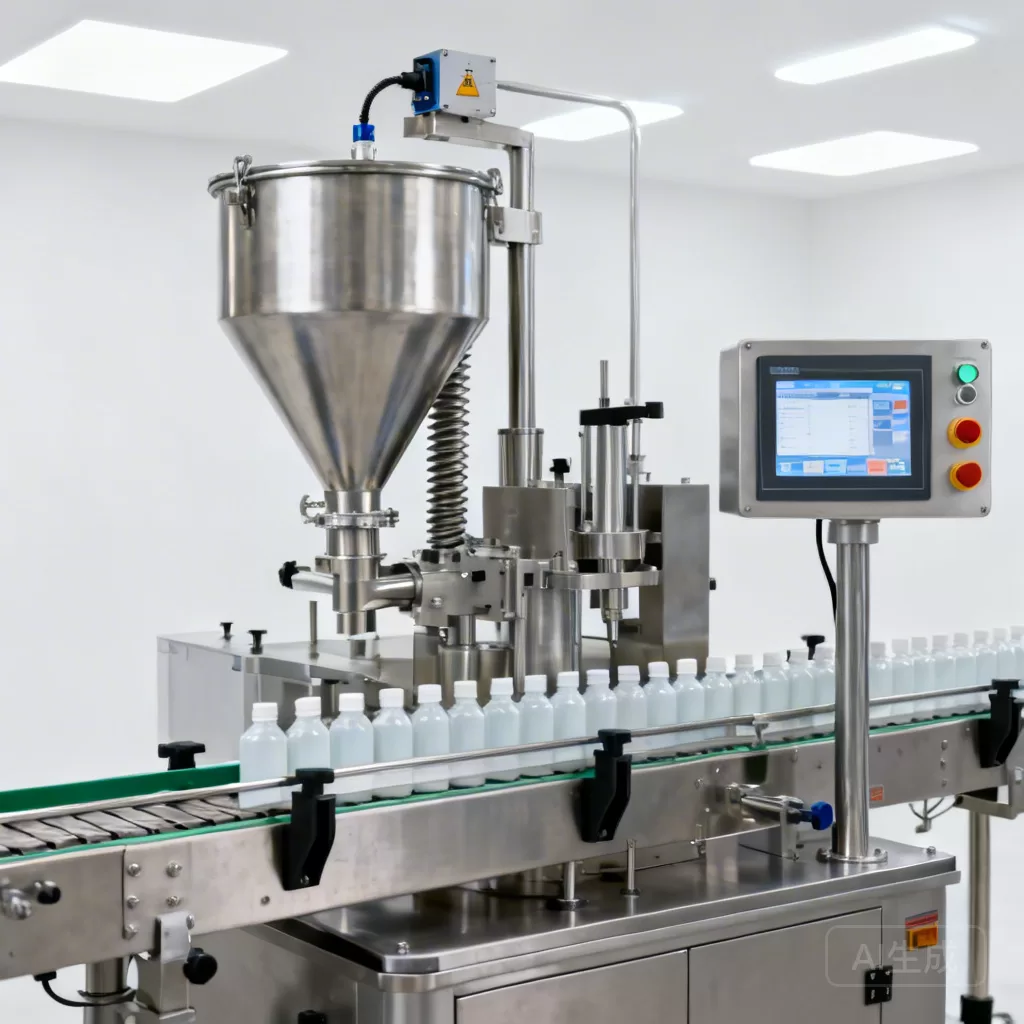
Weigher Packing Machine: The Definitive Guide to Precision Weighing & Packaging
10-03-2026 -
Auger Type Powder Filling Machine: The Ultimate Guide to Precision Packaging
09-03-2026 -
Advanced Packing Solutions: Snacks, Sugar, and Frozen Food Machines
29-10-2025 -
Efficient and Reliable Solutions for Salt, Nuts, and Frozen Dumplings Packing
29-10-2025 -
High-Performance Biscuits, Lollipop, and Ketchup Packing Machines for Modern Food Production
29-10-2025 -
Efficient Liquid Filling and Packing Machines for Modern Production
23-10-2025 -
Reliable Granule Packaging Machines for Efficient Production
23-10-2025
