
Designing Efficient Packing Stations with Paste Packaging Machines
The efficiency of packing stations plays a crucial role in the overall productivity and profitability of any industry that deals with pasty materials. Designing efficient packing stations with paste packaging machines requires careful consideration of multiple factors to achieve optimal performance. This article delves into the key aspects of designing efficient packing stations with paste packaging machines, providing insights into the factors, considerations, and best practices involved.
Considerations for Efficient Paste Packaging
Machine Selection
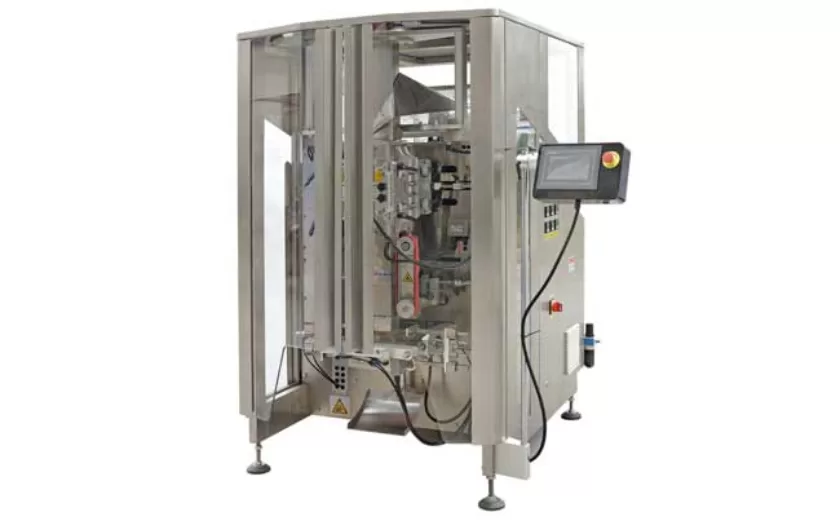
The choice of paste packaging machine greatly impacts efficiency. Consider factors such as speed, accuracy, product compatibility, and maintenance requirements. Choose machines that align with your production needs, considering factors such as paste viscosity, container size, and packaging format.
Line Layout
Optimize the flow of materials and personnel by carefully designing the station layout. Aim for minimal movement and smooth transitions between processes. Consider factors such as machine placement, conveyor systems, storage areas, and workspace ergonomics.
Automation
Incorporate automation to reduce manual labor and increase efficiency. Automated systems can perform tasks such as product feeding, filling, sealing, and labeling, freeing up operators for higher-value activities. Consider the level of automation required and the potential return on investment.
Operator Training
Proper operator training is essential for maximizing efficiency. Ensure operators are well-versed in machine operation, safety procedures, and troubleshooting techniques. Provide clear instructions, hands-on training, and ongoing support to maintain optimal station performance.
Maintenance and Inspection
Regular maintenance and inspection schedules are crucial for preventing downtime and ensuring machine longevity. Establish preventive maintenance plans to address potential issues and minimize unexpected interruptions. Conduct regular inspections to identify and address wear and tear, ensuring smooth operation.
Environmental Control
Maintain a suitable working environment to ensure efficiency and product quality. Control temperature, humidity, and dust levels to prevent condensation, contamination, and product degradation. Proper ventilation and lighting also contribute to a productive work environment.
Continuous Improvement and Optimization
Monitoring and Data Collection
Implement real-time monitoring systems to track production data, identify bottlenecks, and assess efficiency. Collect data on factors such as machine uptime, product yield, and packaging speed. Use this data to make informed decisions and identify areas for improvement.
Process Optimization
Continuously evaluate and refine packing station processes to maximize efficiency. Consider changes to the machine settings, operator procedures, or material handling techniques that can lead to increased productivity. Explore lean manufacturing principles to eliminate waste and improve overall workflow.
Collaboration and Feedback
Foster a culture of collaboration and feedback from operators, supervisors, and engineers. Encourage input on potential improvements and actively seek suggestions to optimize the packing station. Regular meetings and discussions can help identify areas for optimization and gather valuable insights.
Conclusion
Designing efficient packing stations with paste packaging machines is a multi-faceted endeavor that requires careful consideration of various factors. By adhering to the principles outlined in this article, companies can optimize their packing processes, increase productivity, and improve the overall efficiency of their operations, leading to increased profitability and customer satisfaction. Continuous improvement and collaboration are key to maintaining optimal performance and achieving long-term packing station efficiency.


-
VFFS Equipment: The Ultimate Guide to Vertical Form Fill Seal Technology
13-03-2026 -
The Essential Guide to Weight Packing Machines for Precision Weighing
12-03-2026 -
Power Packing Machine: The Ultimate Guide to Heavy-Duty Packaging Efficiency
11-03-2026 -
Weigher Packing Machine: The Definitive Guide to Precision Weighing & Packaging
10-03-2026 -
Auger Type Powder Filling Machine: The Ultimate Guide to Precision Packaging
09-03-2026 -
Advanced Packing Solutions: Snacks, Sugar, and Frozen Food Machines
29-10-2025 -
Efficient and Reliable Solutions for Salt, Nuts, and Frozen Dumplings Packing
29-10-2025 -
High-Performance Biscuits, Lollipop, and Ketchup Packing Machines for Modern Food Production
29-10-2025 -
Efficient Liquid Filling and Packing Machines for Modern Production
23-10-2025 -
Reliable Granule Packaging Machines for Efficient Production
23-10-2025
