
Comparing Vertical and Horizontal Wrapping Machines- Which is Best?
The packaging industry is constantly evolving and innovating, with new machines and technologies emerging all the time. Two of the most common types of packaging machines are vertical and horizontal wrapping machines. Both types of machines have their own advantages and disadvantages, so it’s important to understand the differences between them before making a purchase.
Vertical Wrapping Machines
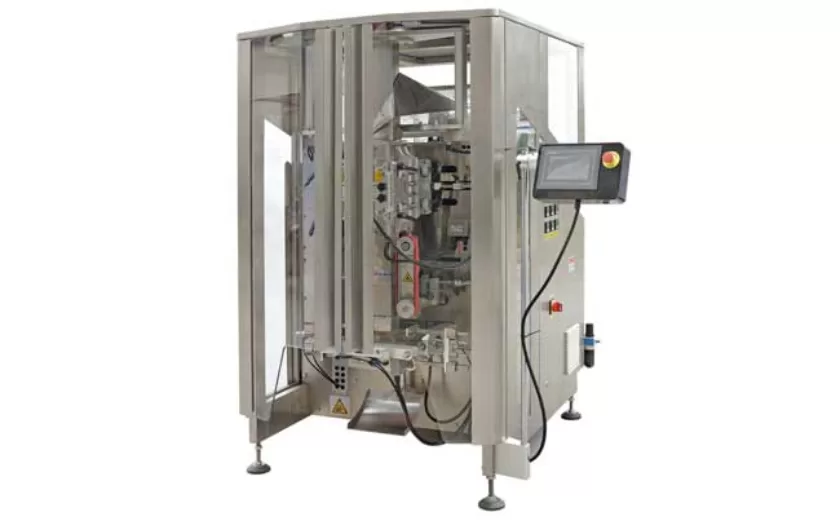
Vertical wrapping machines are designed to package products that are tall and narrow, such as bottles, cans, and jars. The product is placed on a conveyor belt and then moved up into a vertical chamber, where it is wrapped in a continuous stream of film. The film is heated and sealed to form a tight, protective package.
Advantages of vertical wrapping machines:
Fast and efficient: Vertical wrapping machines can package products very quickly, making them ideal for high-volume production lines.
Versatile: Vertical wrapping machines can be used to package a wide variety of products, from small to large.
Compact: Vertical wrapping machines are relatively compact, making them ideal for use in small spaces.
Disadvantages of vertical wrapping machines:
Not suitable for all products: Vertical wrapping machines are not suitable for products that are wide or flat.
Can be difficult to operate: Vertical wrapping machines can be difficult to operate, especially for inexperienced users.
Horizontal Wrapping Machines
Horizontal wrapping machines are designed to package products that are wide and flat, such as boxes, trays, and bags. The product is placed on a conveyor belt and then moved through a horizontal chamber, where it is wrapped in a continuous stream of film. The film is heated and sealed to form a tight, protective package.
Advantages of horizontal wrapping machines:
Suitable for all products: Horizontal wrapping machines can be used to package a wide variety of products, regardless of their shape or size.
Easy to operate: Horizontal wrapping machines are relatively easy to operate, making them ideal for use by inexperienced users.
Versatile: Horizontal wrapping machines can be used for a variety of packaging applications, including overwrapping, bundling, and shrink wrapping.
Disadvantages of horizontal wrapping machines:
Slower than vertical wrapping machines: Horizontal wrapping machines are typically slower than vertical wrapping machines, making them less ideal for high-volume production lines.
Take up more space: Horizontal wrapping machines are typically larger than vertical wrapping machines, making them less ideal for use in small spaces.
Which type of wrapping machine is best?
The best type of wrapping machine for your business will depend on the specific products you need to package and your production volume. If you need to package a wide variety of products quickly and efficiently, a vertical wrapping machine is a good option. If you need to package products that are wide or flat, a horizontal wrapping machine is a good option.


-
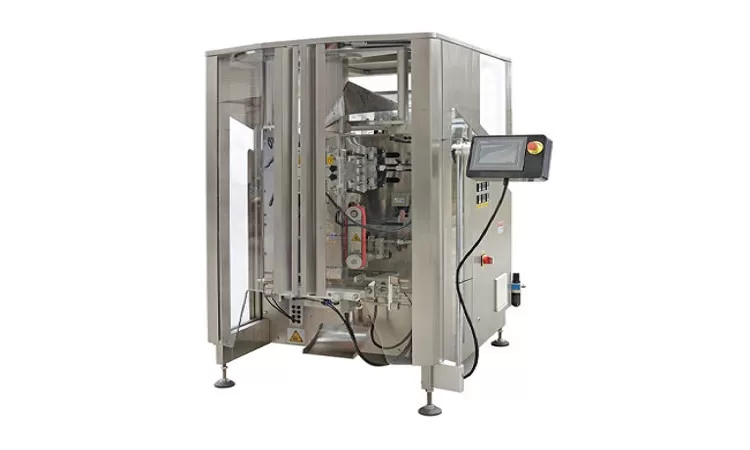
VFFS Equipment: The Ultimate Guide to Vertical Form Fill Seal Technology
13-03-2026 -
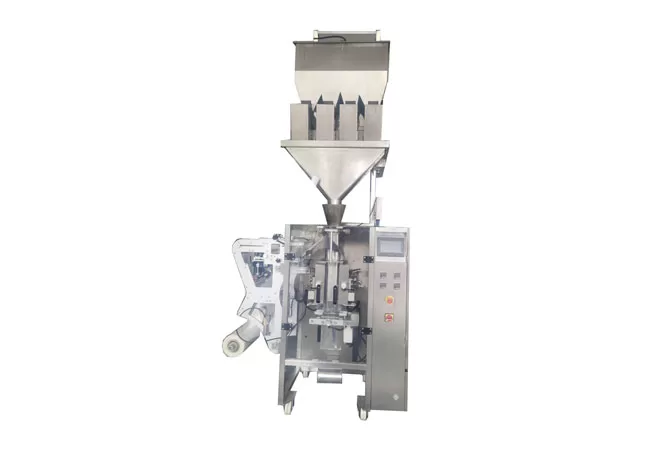
The Essential Guide to Weight Packing Machines for Precision Weighing
12-03-2026 -
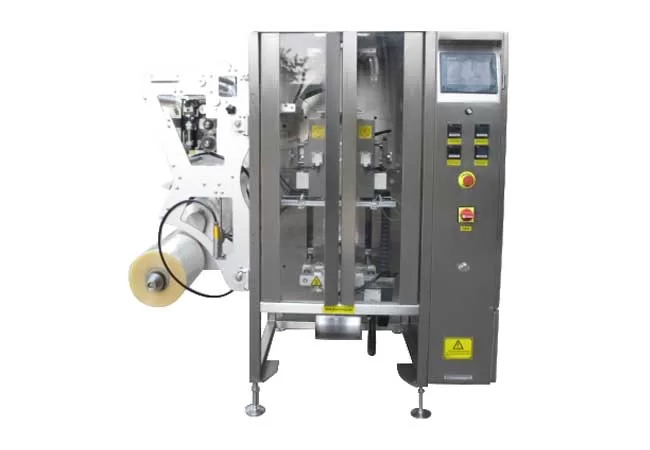
Power Packing Machine: The Ultimate Guide to Heavy-Duty Packaging Efficiency
11-03-2026 -
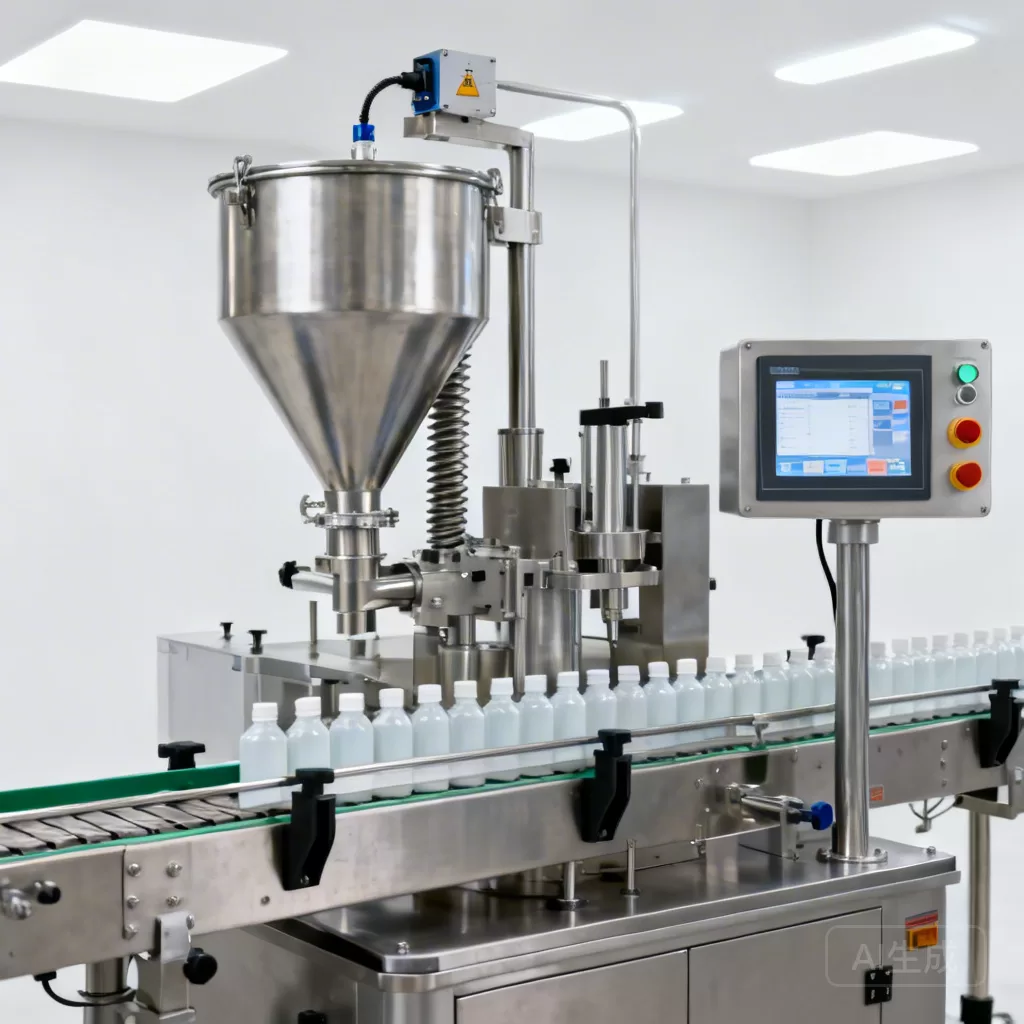
Weigher Packing Machine: The Definitive Guide to Precision Weighing & Packaging
10-03-2026 -
Auger Type Powder Filling Machine: The Ultimate Guide to Precision Packaging
09-03-2026 -
Advanced Packing Solutions: Snacks, Sugar, and Frozen Food Machines
29-10-2025 -
Efficient and Reliable Solutions for Salt, Nuts, and Frozen Dumplings Packing
29-10-2025 -
High-Performance Biscuits, Lollipop, and Ketchup Packing Machines for Modern Food Production
29-10-2025 -
Efficient Liquid Filling and Packing Machines for Modern Production
23-10-2025 -
Reliable Granule Packaging Machines for Efficient Production
23-10-2025
