
Best Practices for Operating a 14-Head Multihead Weigher
Multihead weighers are essential equipment in various industries, from food processing to pharmaceuticals, for their precision, efficiency, and versatility. Operating a 14-head multihead weigher effectively is crucial to achieving optimal performance and minimizing downtime. This article will delve into the best practices for operating a 14-head multihead weigher, ensuring accurate weighing and reliable operation.
Initial Setup and Calibration
Before operating the weigher, it’s essential to follow the manufacturer’s instructions for proper installation and calibration. This includes leveling the weigher, connecting the necessary power and air supplies, and ensuring the hoppers are properly filled with product. Calibration involves adjusting the weigher’s sensors to ensure precise weighing results.
Product Feeding and Hopper Management
The accuracy of the weigher heavily depends on the consistent feeding of product into the hoppers. Vibratory feeders or auger systems can be used to ensure a smooth and even flow of product. It’s crucial to monitor hopper levels regularly and replenish them as needed. Additionally, the hoppers should be cleaned regularly to prevent product buildup and ensure optimal performance.
Weighing Parameters and Target Weight
The weigher’s weighing parameters, such as target weight, weighing time, and settling time, should be carefully set according to the product’s characteristics and packaging requirements. The target weight is the desired average weight of the package, while the weighing time and settling time allow the product to stabilize in the weigh bucket before weighing.
Maintenance and Troubleshooting
Regular maintenance is essential to keep the weigher operating at peak efficiency. This includes cleaning the weigh cells, inspecting and replacing worn parts, and checking the air supply for leaks. Troubleshooting common issues, such as weight inconsistencies or machine stoppages, can be addressed by following the manufacturer’s troubleshooting guide or contacting technical support.
Monitoring and Data Analysis
Continuous monitoring of the weigher’s performance is crucial for identifying potential issues and improving efficiency. Data analysis tools can provide insights into the weigher’s accuracy, speed, and overall performance. This data can be used to optimize weighing parameters, reduce downtime, and ensure compliance with quality standards.
Operator Training and Safety
Proper training of operators ensures that the weigher is operated in a safe and efficient manner. Operators should be familiar with the weigher’s controls, maintenance procedures, and safety protocols. Regular safety checks and adherence to safety regulations are essential to minimize accidents and injuries.
By following the best practices for operating a 14-head multihead weigher, manufacturers can ensure accurate weighing, maximize efficiency, and minimize downtime. Proper setup, calibration, and product feeding are vital for precise weighing, while weighing parameters and maintenance ensure optimal performance. Continuous monitoring, data analysis, and operator training contribute to long-term reliability and compliance. Adhering to these best practices will enhance the weigher’s accuracy, speed, and overall productivity, ultimately ensuring the successful operation of packaging lines.


-
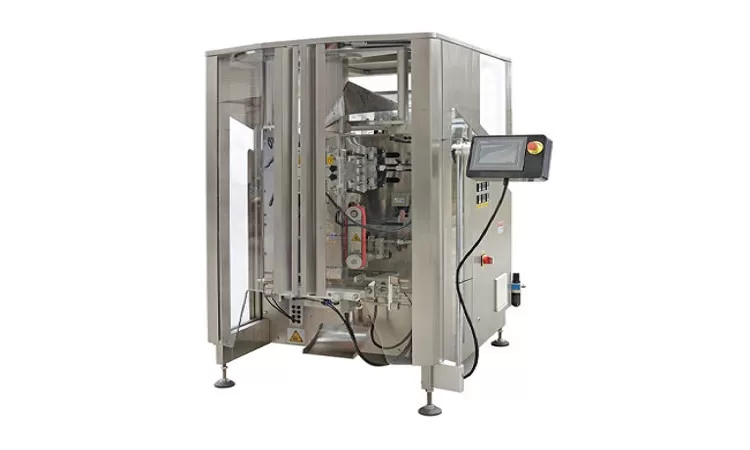
VFFS Equipment: The Ultimate Guide to Vertical Form Fill Seal Technology
13-03-2026 -
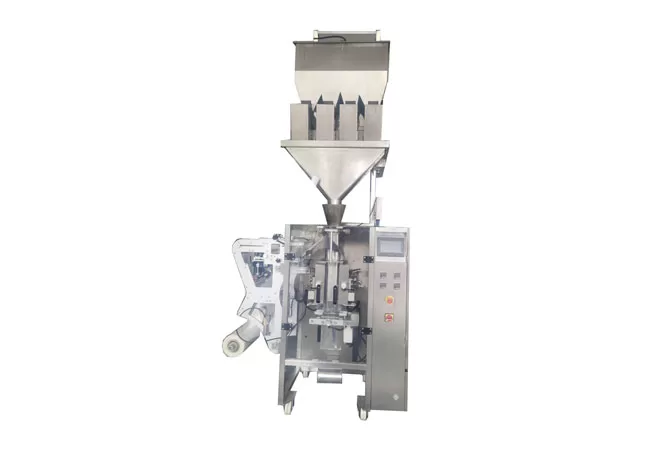
The Essential Guide to Weight Packing Machines for Precision Weighing
12-03-2026 -
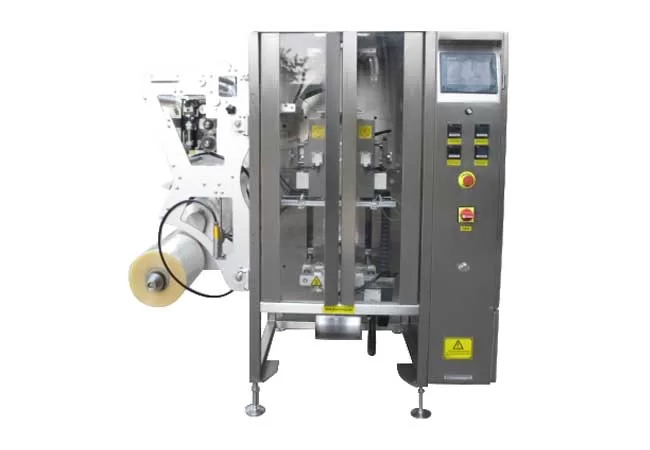
Power Packing Machine: The Ultimate Guide to Heavy-Duty Packaging Efficiency
11-03-2026 -
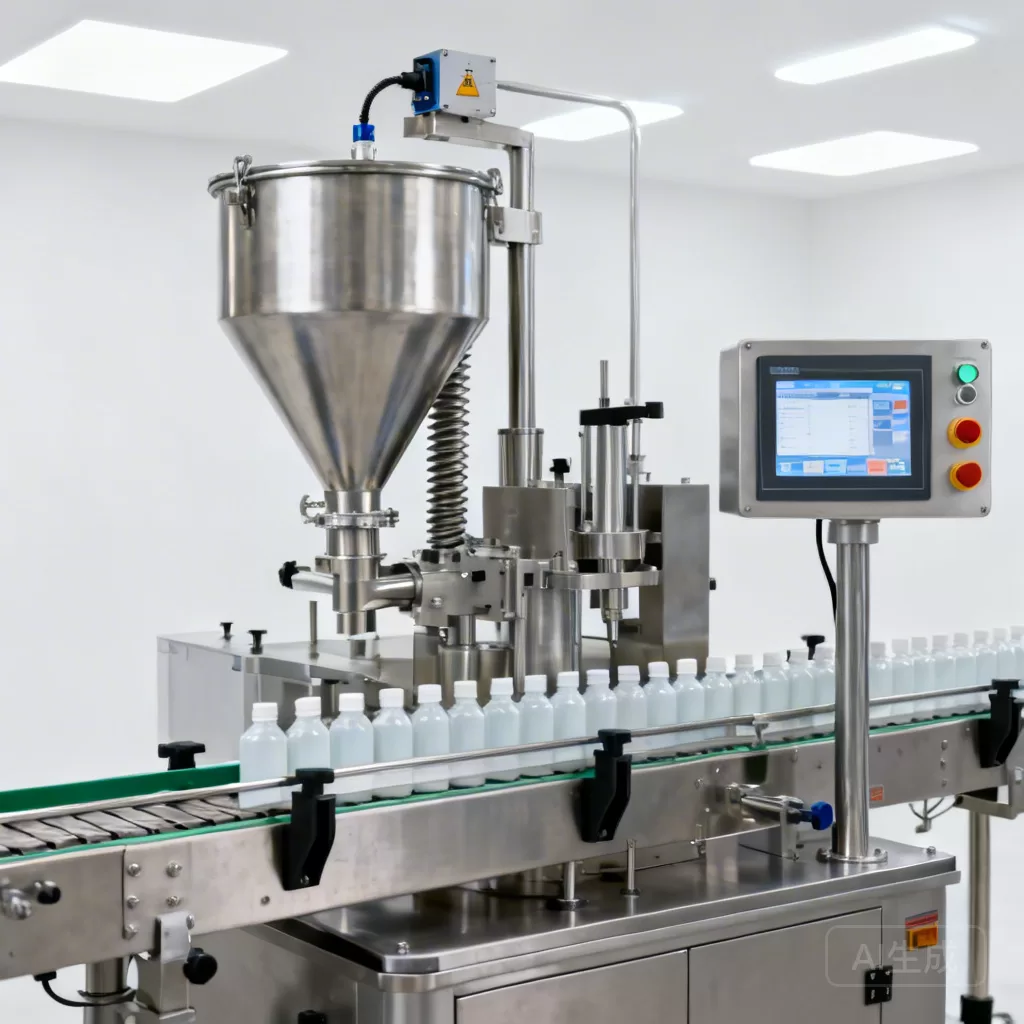
Weigher Packing Machine: The Definitive Guide to Precision Weighing & Packaging
10-03-2026 -
Auger Type Powder Filling Machine: The Ultimate Guide to Precision Packaging
09-03-2026 -
Advanced Packing Solutions: Snacks, Sugar, and Frozen Food Machines
29-10-2025 -
Efficient and Reliable Solutions for Salt, Nuts, and Frozen Dumplings Packing
29-10-2025 -
High-Performance Biscuits, Lollipop, and Ketchup Packing Machines for Modern Food Production
29-10-2025 -
Efficient Liquid Filling and Packing Machines for Modern Production
23-10-2025 -
Reliable Granule Packaging Machines for Efficient Production
23-10-2025
