
Auto Weighing Filling Machines vs. Manual Filling- Which is Better?
The battle between automation and manual labor has long been fought in the manufacturing industry. And the packaging sector is no exception. When it comes to filling containers with precise amounts of liquid or powder products, there are two main options: automatic weighing filling machines and manual filling.
Auto Weighing Filling Machines: The Precision-Driven Workhorse
Auto weighing filling machines are fully automated systems that dispense products by weight rather than volume. This provides an unparalleled level of precision and consistency, ensuring that each container receives the exact amount of product. Moreover, these machines are designed to handle a wide range of container shapes and sizes, making them versatile and adaptable to various packaging needs.
Benefits:
Accuracy and consistency: Precision weighing eliminates human error, ensuring consistent filling across all containers.
Eliminating product waste: Accurate dispensing helps reduce product loss, minimizing costs and waste.
Increased efficiency: Automating the filling process frees up operators for other tasks, improving overall productivity.
Reduced manual labor: Eliminating the need for repetitive manual filling reduces labor costs and strain on workers.
Manual Filling: The Labor-Intensive Option
Manual filling, as the name suggests, involves manually pouring or scooping products into containers. This method relies heavily on human accuracy and experience, which can lead to variations in fill levels. However, manual filling may be suitable for small-scale operations or for products that require manual handling due to their sensitivity or consistency.
Benefits:
Lower capital costs: Manual filling requires minimal investment in equipment compared to automated systems.
Flexibility: Operators can quickly adjust fill volumes for small batches or custom orders.
Specialized handling: Certain products may require delicate or customized handling, which is better suited for manual filling.
Which Option is Better?
The choice between auto weighing filling machines and manual filling depends on factors such as:
Production volume: Automation is ideal for high-volume operations where accuracy and efficiency are paramount.
Product type: Sensitive or complex products may require manual handling.
Budget constraints: Auto weighing filling machines require a higher investment than manual filling.
Conclusion
Whether auto weighing filling machines or manual filling is better ultimately depends on the specific requirements of each packaging operation. Auto weighing filling machines offer precision, efficiency, and reduced waste, while manual filling provides flexibility and lower capital costs. By carefully weighing the pros and cons of each option, manufacturers can determine the optimal solution for their business.


-
VFFS Equipment: The Ultimate Guide to Vertical Form Fill Seal Technology
13-03-2026 -
The Essential Guide to Weight Packing Machines for Precision Weighing
12-03-2026 -
Power Packing Machine: The Ultimate Guide to Heavy-Duty Packaging Efficiency
11-03-2026 -
Weigher Packing Machine: The Definitive Guide to Precision Weighing & Packaging
10-03-2026 -
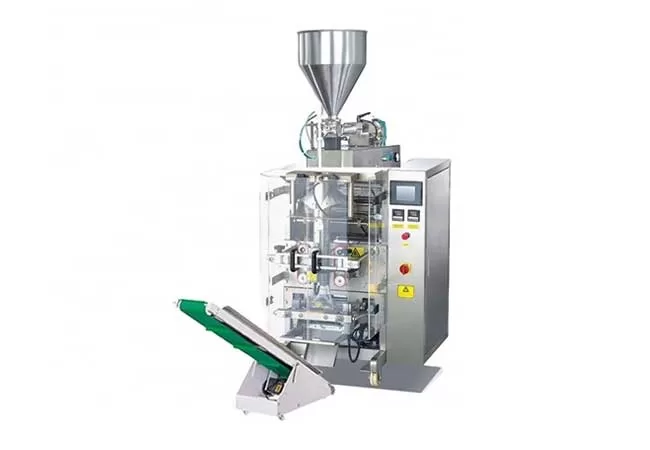
Auger Type Powder Filling Machine: The Ultimate Guide to Precision Packaging
09-03-2026 -
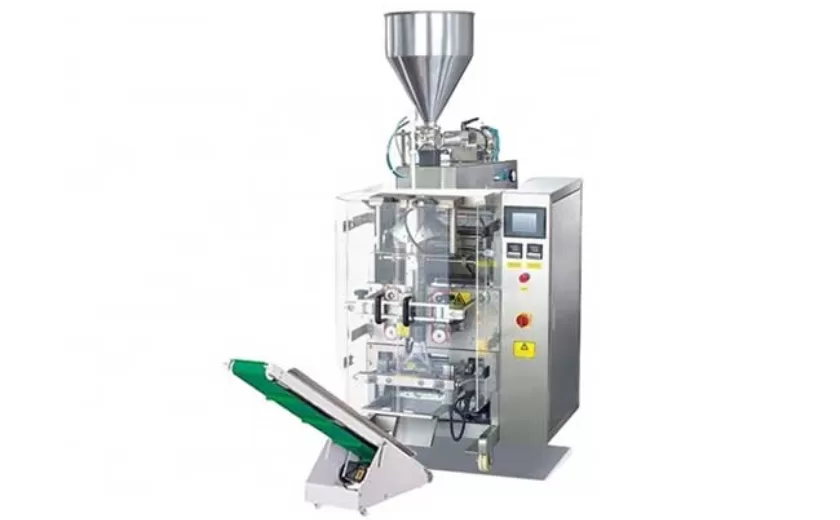
Advanced Packing Solutions: Snacks, Sugar, and Frozen Food Machines
29-10-2025 -
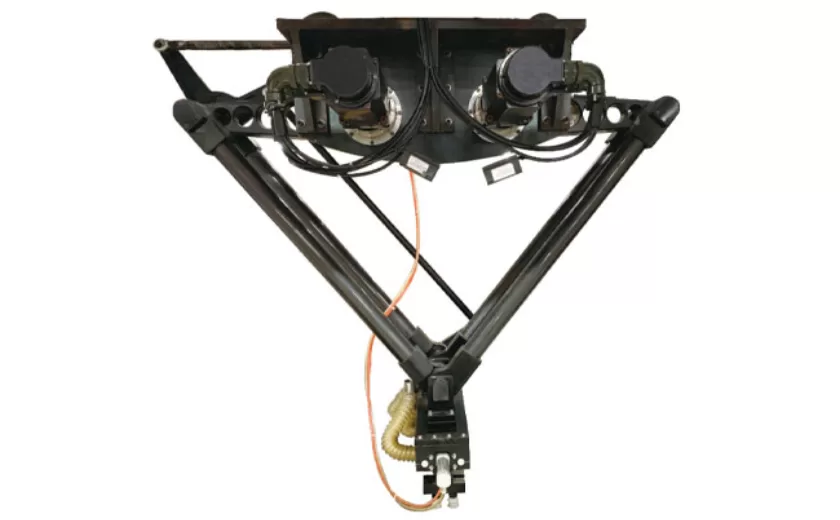
Efficient and Reliable Solutions for Salt, Nuts, and Frozen Dumplings Packing
29-10-2025 -
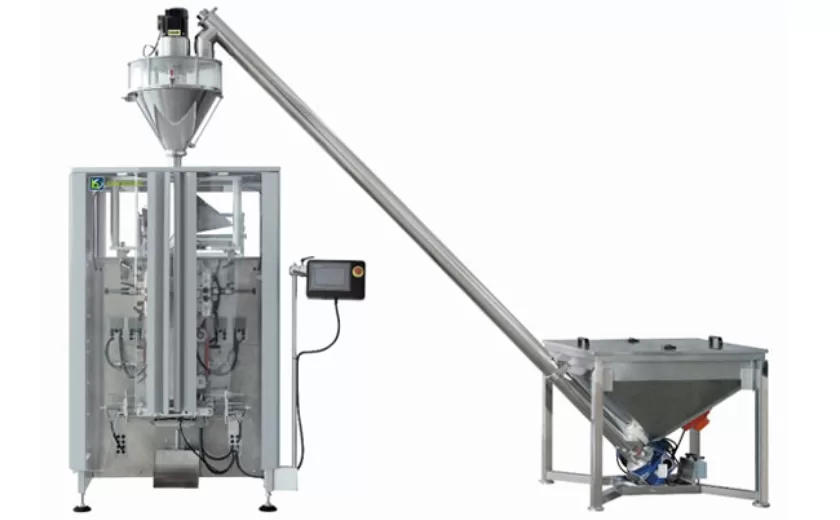
High-Performance Biscuits, Lollipop, and Ketchup Packing Machines for Modern Food Production
29-10-2025 -
Efficient Liquid Filling and Packing Machines for Modern Production
23-10-2025 -
Reliable Granule Packaging Machines for Efficient Production
23-10-2025
