
Unwrapping Success: Mastering the Art of Horizontal Flow Wrapping

Unwrapping Success: Mastering the Art of Horizontal Flow Wrapping
Horizontal flow wrapping is a packaging technology that plays a crucial role in various industries, including food, pharmaceuticals, and consumer goods. This method involves sealing products in a flexible film that creates a sealed package by forming a fin seal and end seal. Understanding the nuances of horizontal flow wrapping can significantly impact product presentation, shelf life, and cost-efficiency.
When it comes to optimizing horizontal flow wrapping processes, there are several key factors to consider. These include film selection, machine settings, product orientation, and seal integrity. A deep dive into each of these elements can help companies achieve maximum efficiency and product quality.
The Art of Selecting the Right Film
The choice of film material is critical in horizontal flow wrapping. Factors such as barrier properties, thickness, clarity, and seal strength should be carefully considered to ensure that the packaged product remains fresh and visually appealing. Different products may require specific types of film to maintain their integrity during storage and transportation.
Machine Settings and Product Orientation
Optimizing machine settings is essential to achieve consistent and high-quality seals. Parameters such as speed, temperature, and pressure must be calibrated to suit the characteristics of the film and the product being wrapped. Additionally, ensuring proper product orientation within the film is crucial to prevent misalignment and package defects.
Ensuring Seal Integrity
Seal integrity is paramount in horizontal flow wrapping to prevent leakage, contamination, and spoilage. Regular inspections of seals, adjustment of sealing parameters, and use of appropriate sealing techniques are vital to maintaining product quality and safety. Implementing quality control measures and conducting seal tests can help identify potential issues before they escalate.
Cost-Efficiency and Sustainability
While striving for optimal packaging quality, companies must also focus on cost-efficiency and sustainability. Minimizing film waste, exploring recyclable materials, and optimizing production processes can contribute to reducing environmental impact and operational costs.
Future Trends and Innovations
The horizon of horizontal flow wrapping is witnessing exciting advancements in automation, smart packaging, and eco-friendly solutions. Companies investing in research and development are exploring novel ways to enhance product visibility, extend shelf life, and improve consumer experiences.
Mastering the art of horizontal flow wrapping requires a holistic approach that combines technical expertise, innovation, and a commitment to quality. By staying abreast of industry trends and continuously refining packaging practices, businesses can unlock new opportunities for success in an increasingly competitive market.


-
VFFS Equipment: The Ultimate Guide to Vertical Form Fill Seal Technology
13-03-2026 -
The Essential Guide to Weight Packing Machines for Precision Weighing
12-03-2026 -
Power Packing Machine: The Ultimate Guide to Heavy-Duty Packaging Efficiency
11-03-2026 -
Weigher Packing Machine: The Definitive Guide to Precision Weighing & Packaging
10-03-2026 -
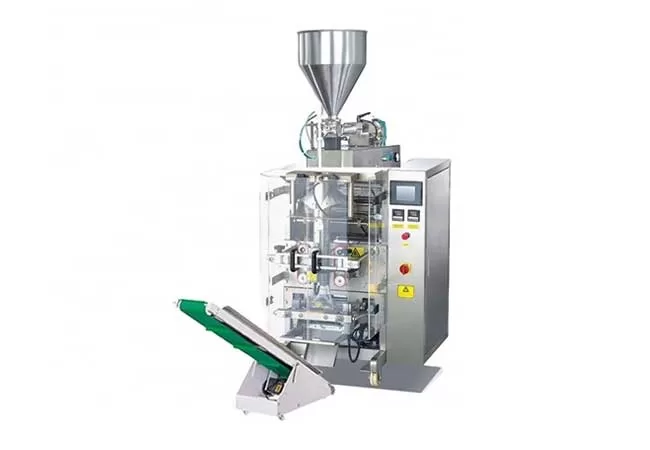
Auger Type Powder Filling Machine: The Ultimate Guide to Precision Packaging
09-03-2026 -
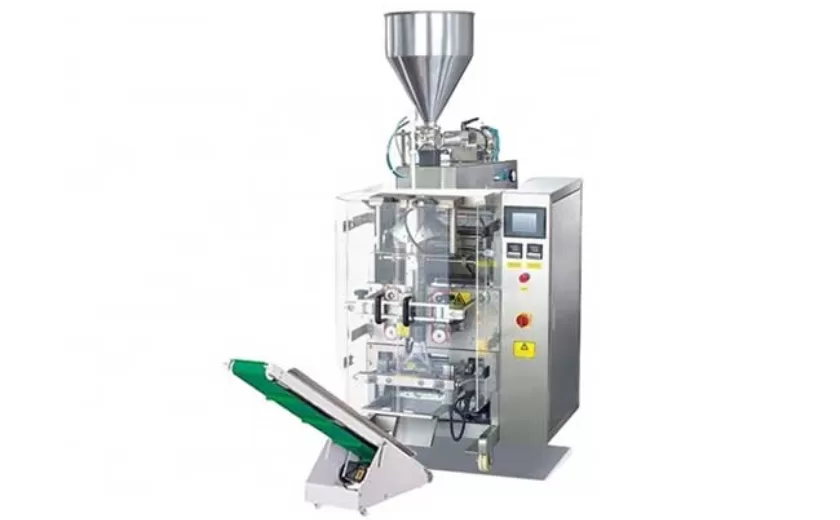
Advanced Packing Solutions: Snacks, Sugar, and Frozen Food Machines
29-10-2025 -
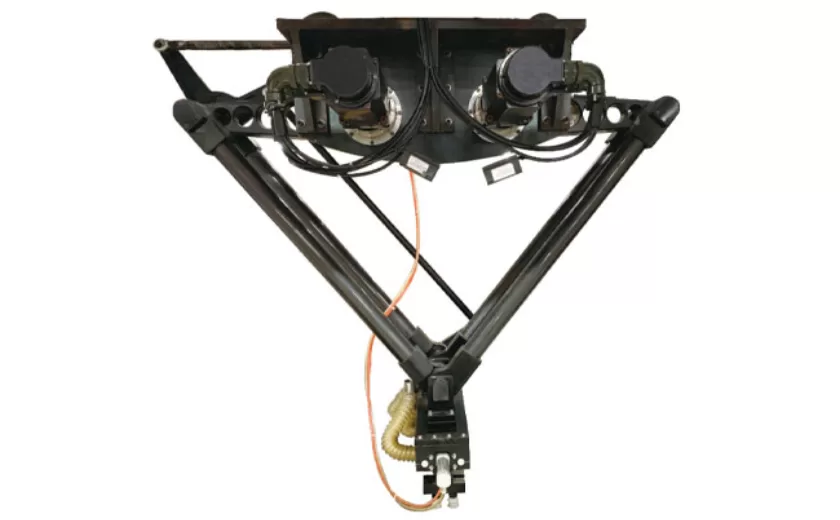
Efficient and Reliable Solutions for Salt, Nuts, and Frozen Dumplings Packing
29-10-2025 -
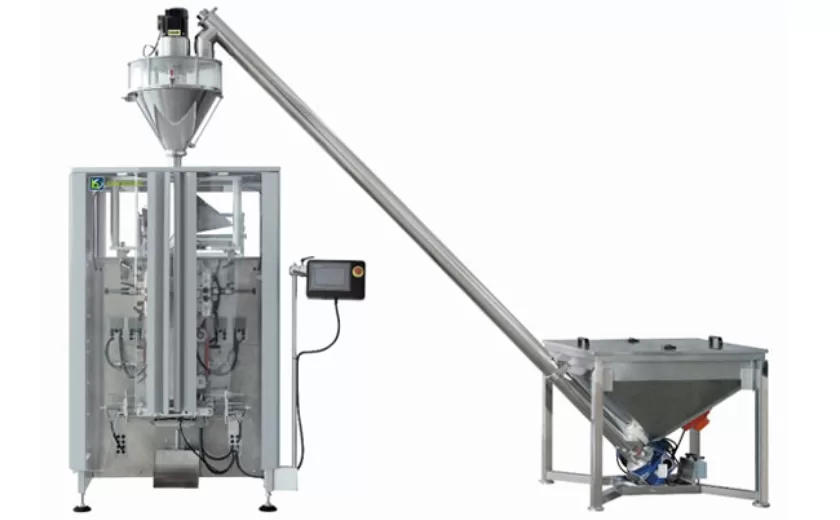
High-Performance Biscuits, Lollipop, and Ketchup Packing Machines for Modern Food Production
29-10-2025 -
Efficient Liquid Filling and Packing Machines for Modern Production
23-10-2025 -
Reliable Granule Packaging Machines for Efficient Production
23-10-2025
