
The Intricacies of Automated Packing Machines: Unveiling the Working Principles
The Intricacies of Automated Packing Machines: Unveiling the Working Principles
Automated packing machines have revolutionized the manufacturing industry, streamlining processes, enhancing efficiency, and ensuring consistency in packaging. These machines are equipped with advanced features and technologies that enable them to operate seamlessly, but have you ever wondered how they actually work?
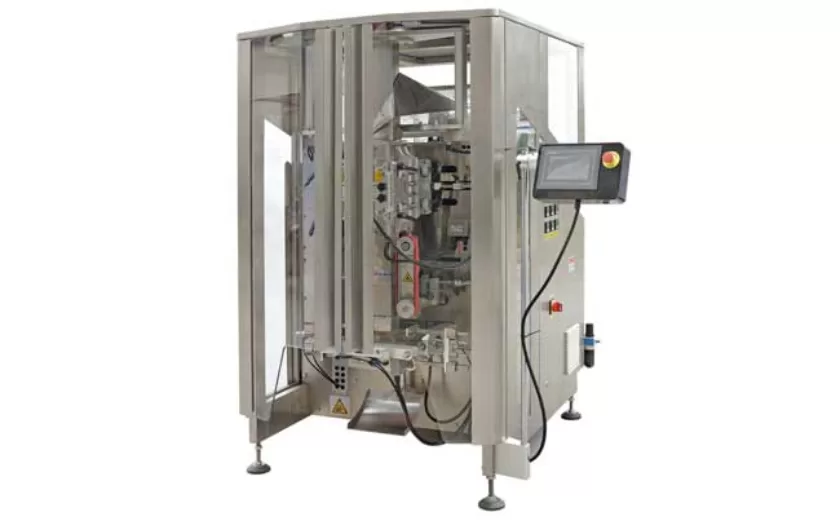
At the core of every automated packing machine lies a sophisticated system of components and mechanisms designed to carry out specific tasks with precision. The working principle of these machines involves a series of well-coordinated steps that ensure products are packaged efficiently and accurately.
The Components of an Automated Packing Machine
Before delving into the working principles of automated packing machines, it is essential to understand the key components that make up these intricate systems.
1. Feeding System: This component is responsible for transferring products to the packaging area using conveyors, robots, or other mechanisms.
2. Packaging Material Handling: The packaging material handling system ensures that the correct type and amount of packaging material are supplied to the machine for each product.
3. Filling System: The filling system accurately dispenses the product into the packaging material, ensuring consistency and precision.
The Working Principles of Automated Packing Machines
Automated packing machines employ a combination of advanced technologies and intelligent systems to perform their functions. The working principles of these machines can be broken down into the following steps:
Step 1: Product Feeding
The product feeding system transfers items to the packaging area, where they are prepared for packaging. This process can be controlled manually or automatically depending on the machine’s configuration.
Step 2: Packaging Material Handling
Once the products are in the packaging area, the machine ensures that the correct type and amount of packaging material is fed into the system. This step is crucial for maintaining consistency in packaging.
Step 3: Filling and Sealing
The filling system accurately dispenses the product into the packaging material while the sealing system seals the package to ensure product integrity and safety.
Conclusion
Automated packing machines are a critical component of modern manufacturing processes, offering speed, accuracy, and efficiency in packaging operations. By understanding the working principles of these machines, manufacturers can optimize their production lines and ensure the consistent delivery of high-quality products to consumers.


-
VFFS Equipment: The Ultimate Guide to Vertical Form Fill Seal Technology
13-03-2026 -
The Essential Guide to Weight Packing Machines for Precision Weighing
12-03-2026 -
Power Packing Machine: The Ultimate Guide to Heavy-Duty Packaging Efficiency
11-03-2026 -
Weigher Packing Machine: The Definitive Guide to Precision Weighing & Packaging
10-03-2026 -
Auger Type Powder Filling Machine: The Ultimate Guide to Precision Packaging
09-03-2026 -
Advanced Packing Solutions: Snacks, Sugar, and Frozen Food Machines
29-10-2025 -
Efficient and Reliable Solutions for Salt, Nuts, and Frozen Dumplings Packing
29-10-2025 -
High-Performance Biscuits, Lollipop, and Ketchup Packing Machines for Modern Food Production
29-10-2025 -
Efficient Liquid Filling and Packing Machines for Modern Production
23-10-2025 -
Reliable Granule Packaging Machines for Efficient Production
23-10-2025
