
Revolutionizing Packaging: An In-depth Look at Automatic Packing Machines and Material Handling with PLC
The Role of PLC in Revolutionizing Packaging with Automatic Packing Machines and Material Handling
Advancements in technology have transformed industries across the globe, and the packaging sector is no exception. One of the most significant innovations in this field is the integration of Programmable Logic Controllers (PLCs) into automatic packing machines, revolutionizing the way materials are handled and packaged. In this blog post, we will delve into the intricate workings of automatic packing machines and material handling systems powered by PLCs and explore their impact on efficiency, accuracy, and overall productivity.
Understanding Automatic Packing Machines
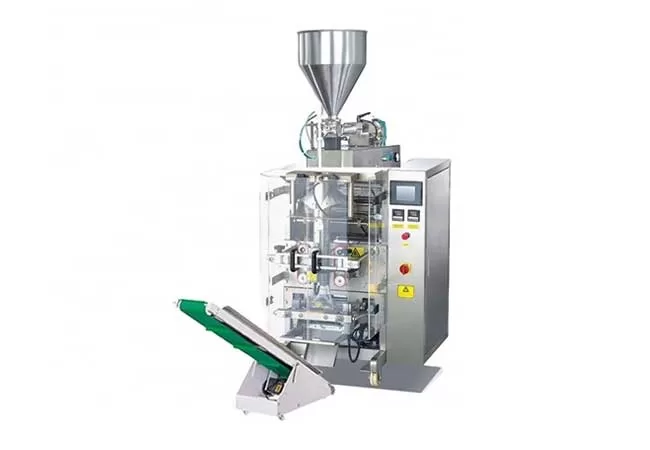
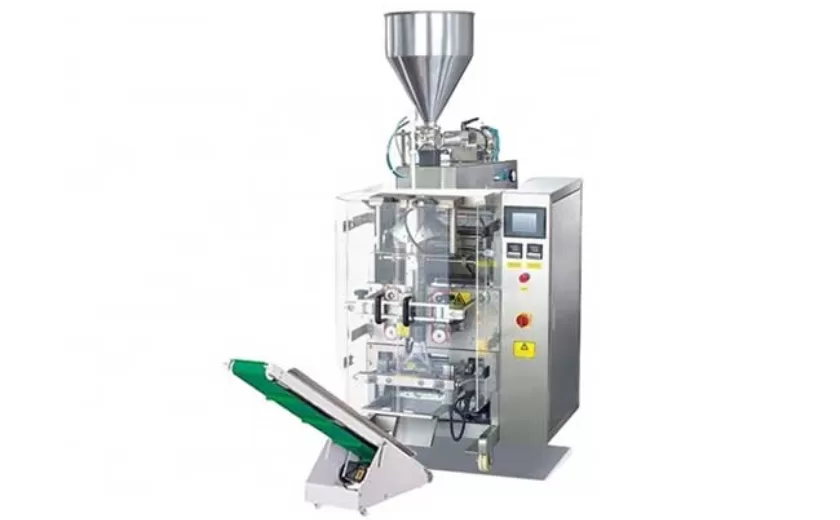
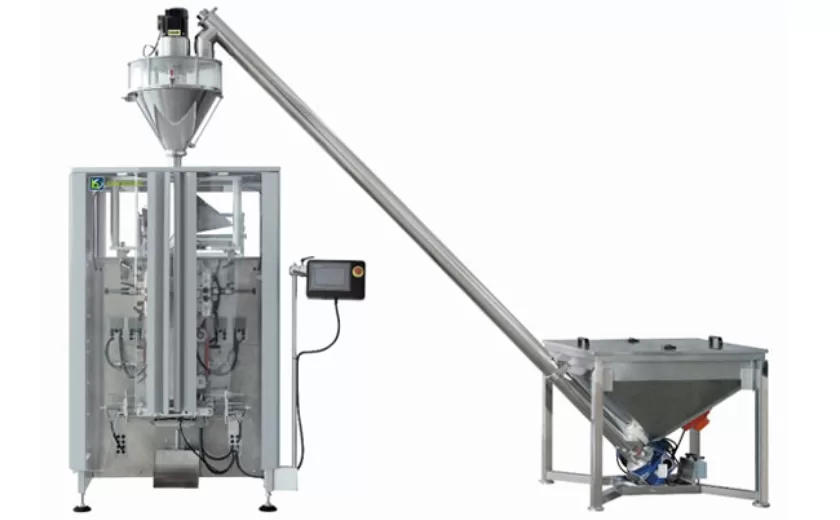
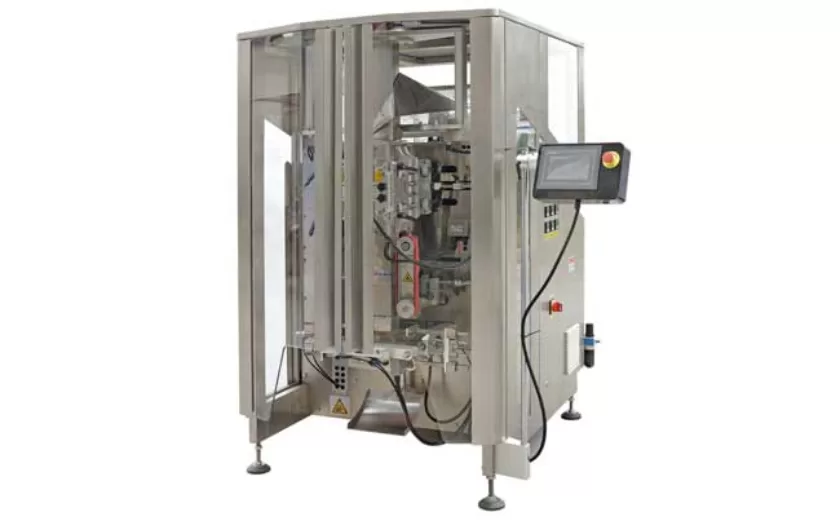
Automatic packing machines are sophisticated systems designed to streamline the packaging process by automating various tasks that were traditionally done manually. These machines are equipped with sensors, actuators, and control systems that work in tandem to efficiently package products in a variety of industries, ranging from food and beverage to pharmaceuticals and consumer goods.
One of the key elements that set automatic packing machines apart is their ability to adapt to different packaging requirements with minimal manual intervention. PLCs play a crucial role in this adaptability, as they can be programmed to execute specific tasks based on input from sensors and other external factors. This flexibility allows manufacturers to adjust packaging processes quickly and efficiently, reducing downtime and improving overall output.
The Role of PLC in Material Handling
Material handling is a critical aspect of the packaging process, as it involves the movement, storage, and control of materials throughout a facility. When combined with PLCs, material handling systems become even more efficient and reliable, ensuring seamless integration with automatic packing machines.
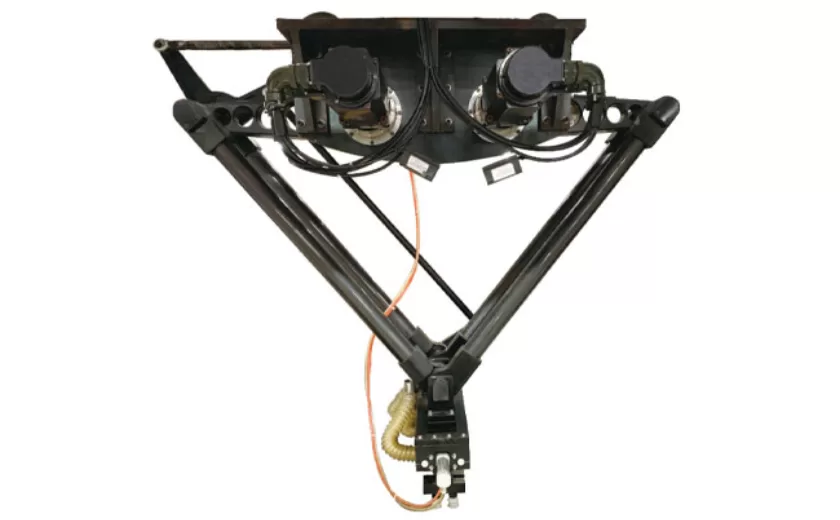
PLCs are commonly used to control conveyor belts, robotic arms, and other equipment involved in material handling, enabling precise movement and synchronization of materials. By programming PLCs to communicate with each other and with other devices in the production line, manufacturers can optimize material flow, reduce bottlenecks, and improve overall throughput.
The Advantages of PLC-Powered Packaging Systems
There are several advantages to using PLCs in automatic packing machines and material handling systems. These include:
- Increased Efficiency: PLCs enable faster and more accurate packaging processes, leading to higher productivity and reduced operating costs.
- Improved Flexibility: PLCs can be easily reprogrammed to accommodate changes in packaging requirements, allowing manufacturers to respond quickly to market demands.
- Enhanced Quality Control: By integrating sensors and feedback mechanisms, PLCs help maintain consistent product quality throughout the packaging process.
Conclusion
Automatic packing machines and material handling systems powered by PLCs have revolutionized the packaging industry, offering a host of benefits to manufacturers seeking to enhance efficiency, flexibility, and quality. As technology continues to advance, we can expect further innovations in this space, paving the way for even more streamlined and sustainable packaging solutions.


-
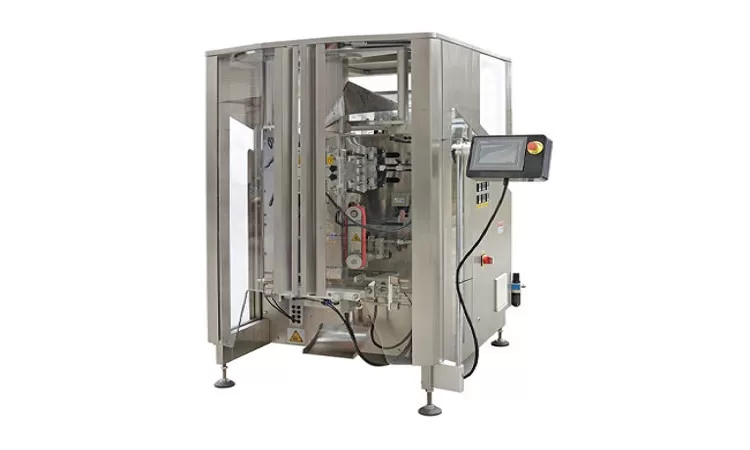
VFFS Equipment: The Ultimate Guide to Vertical Form Fill Seal Technology
13-03-2026 -
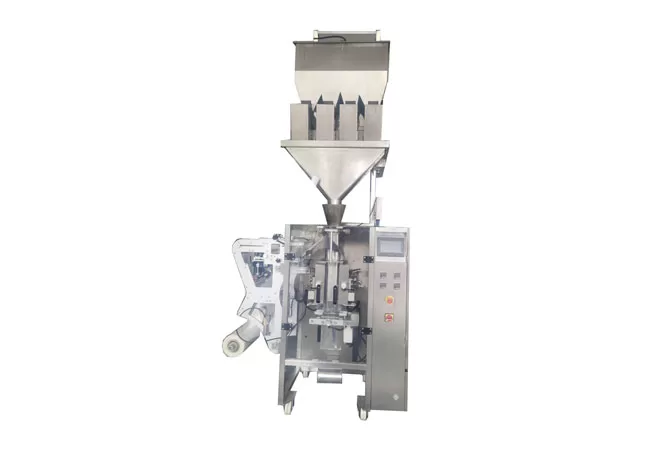
The Essential Guide to Weight Packing Machines for Precision Weighing
12-03-2026 -
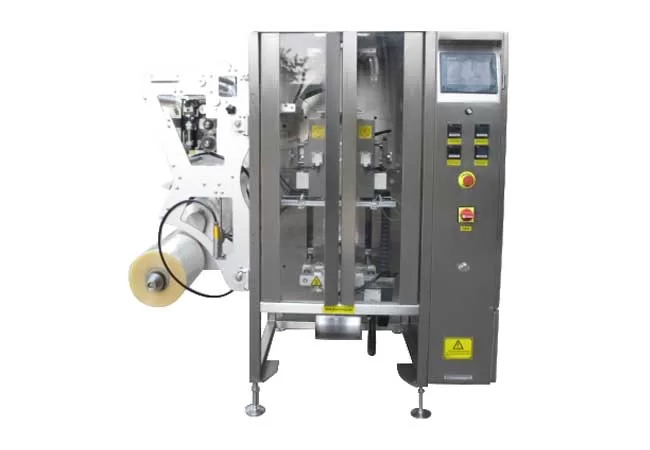
Power Packing Machine: The Ultimate Guide to Heavy-Duty Packaging Efficiency
11-03-2026 -
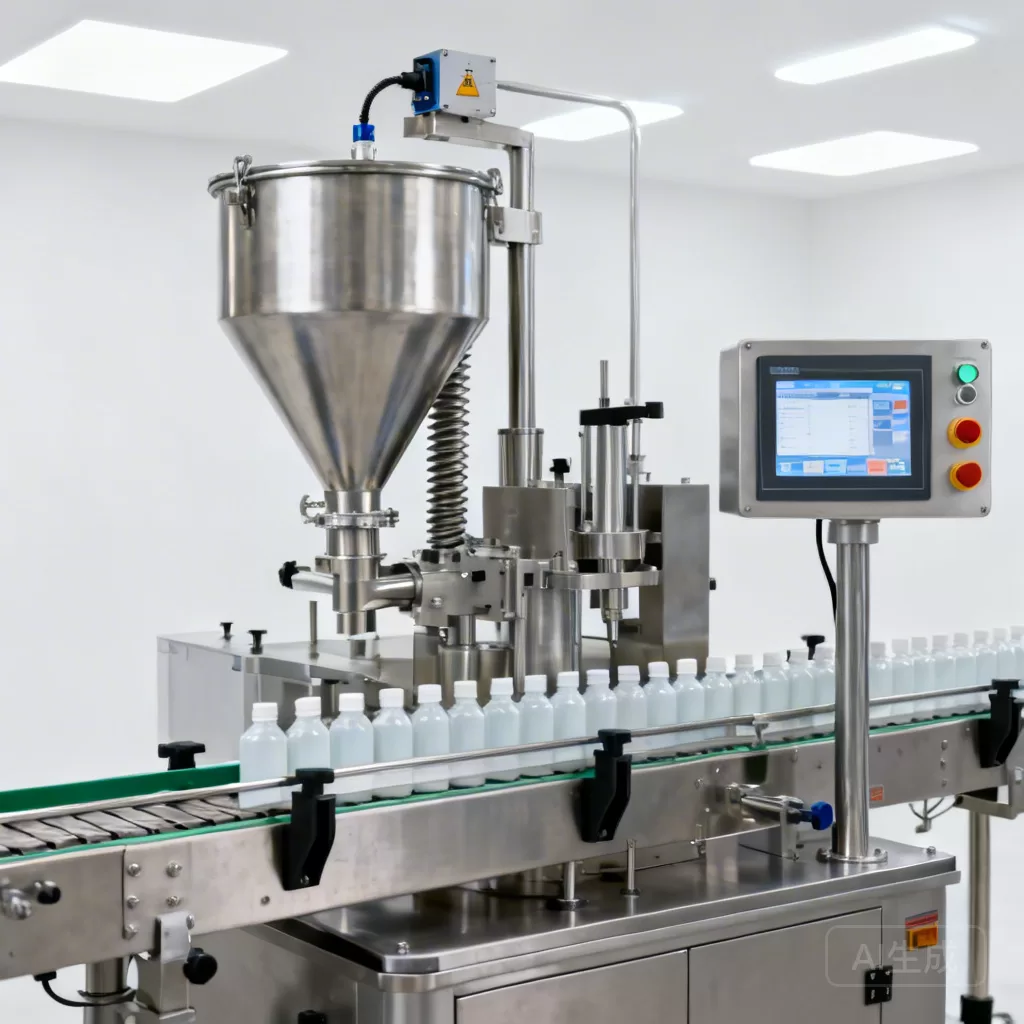
Weigher Packing Machine: The Definitive Guide to Precision Weighing & Packaging
10-03-2026 -
Auger Type Powder Filling Machine: The Ultimate Guide to Precision Packaging
09-03-2026 -
Advanced Packing Solutions: Snacks, Sugar, and Frozen Food Machines
29-10-2025 -
Efficient and Reliable Solutions for Salt, Nuts, and Frozen Dumplings Packing
29-10-2025 -
High-Performance Biscuits, Lollipop, and Ketchup Packing Machines for Modern Food Production
29-10-2025 -
Efficient Liquid Filling and Packing Machines for Modern Production
23-10-2025 -
Reliable Granule Packaging Machines for Efficient Production
23-10-2025
