
Mastering the Debian Package System: A Comprehensive Guide
The Power of Debian Package Management
When it comes to Linux distributions, Debian stands out for its robust package management system. Understanding how to navigate and utilize the Debian package system is essential for any Linux user. In this guide, we will delve into the intricacies of the Debian package system and provide you with the knowledge to master it.
Introduction to Debian Packages
Debian packages are the backbone of software installation on Debian-based systems. Each package contains all the files needed for a particular software application, along with metadata such as version information and dependencies.
Key Components of the Debian Package System
There are several key components that make up the Debian package system:
- APT (Advanced Package Tool): APT is the command-line tool used for managing packages on Debian systems. It provides a simple and efficient way to install, upgrade, and remove packages.
- Repositories: Repositories are online servers that store Debian packages. By configuring the system to use specific repositories, users can easily download and install packages.
- Package Management Tools: Tools like dpkg and aptitude are essential for managing packages on a Debian system. These tools offer different functionalities for handling packages.
Installing Packages on Debian
Installing packages on Debian is a straightforward process. Using the apt-get command, users can easily install new software applications along with all necessary dependencies.
Updating and Upgrading Packages
Regularly updating and upgrading packages is crucial for maintaining system security and stability. The apt-get update and apt-get upgrade commands are used to ensure that all installed packages are up to date.
Exploring Package Dependencies
Package dependencies are requirements that must be satisfied in order for a package to be installed successfully. Understanding and managing dependencies is essential for avoiding conflicts and ensuring smooth package installation.
Resolving Dependency Issues
Dependency issues can sometimes arise when installing new packages. The apt-get command offers options to resolve dependencies automatically or manually, depending on the user’s preferences.
Removing Packages Safely
When a software application is no longer needed, it is essential to remove the associated package from the system. The apt-get remove command can be used to safely uninstall packages without causing any harm to the system.
Clean Up Unused Packages
Over time, orphaned or unused packages can accumulate on a system, consuming valuable disk space. The apt-get autoremove command helps in cleaning up these unused packages, keeping the system clean and optimized.
Conclusion
Mastering the Debian package system is a valuable skill for Linux users. By understanding the intricacies of package management, users can efficiently install, update, and remove software applications on their systems. With the knowledge gained from this guide, you are well-equipped to navigate the Debian package system with confidence.


-
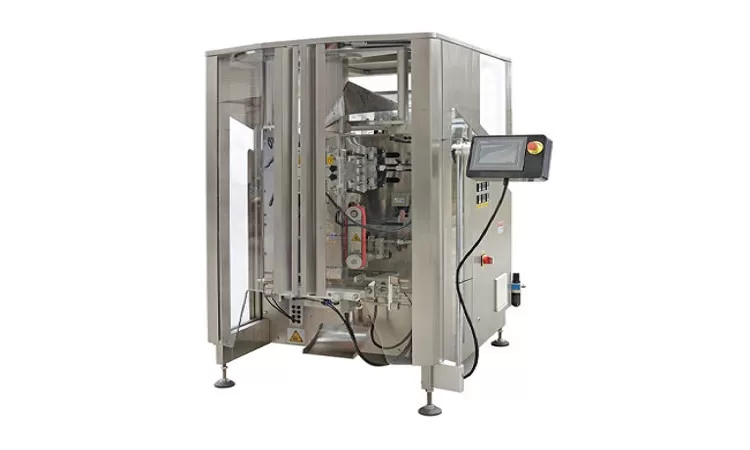
VFFS Equipment: The Ultimate Guide to Vertical Form Fill Seal Technology
13-03-2026 -
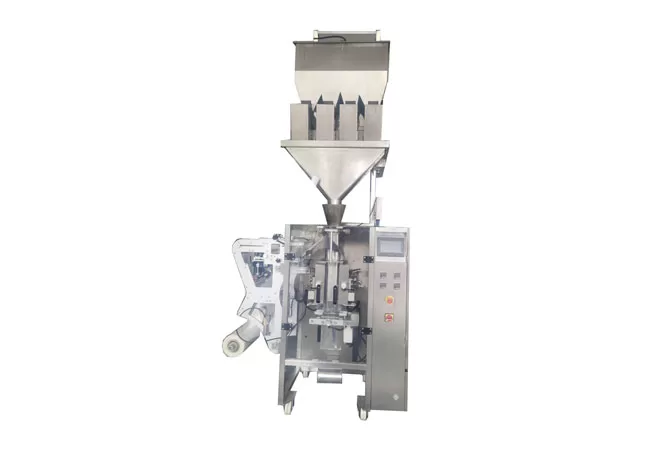
The Essential Guide to Weight Packing Machines for Precision Weighing
12-03-2026 -
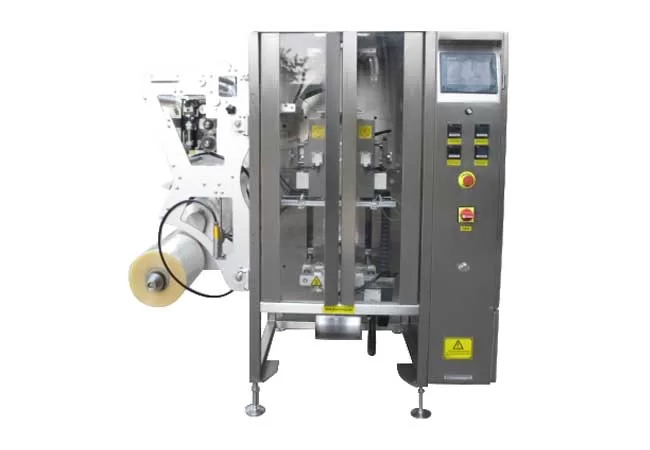
Power Packing Machine: The Ultimate Guide to Heavy-Duty Packaging Efficiency
11-03-2026 -
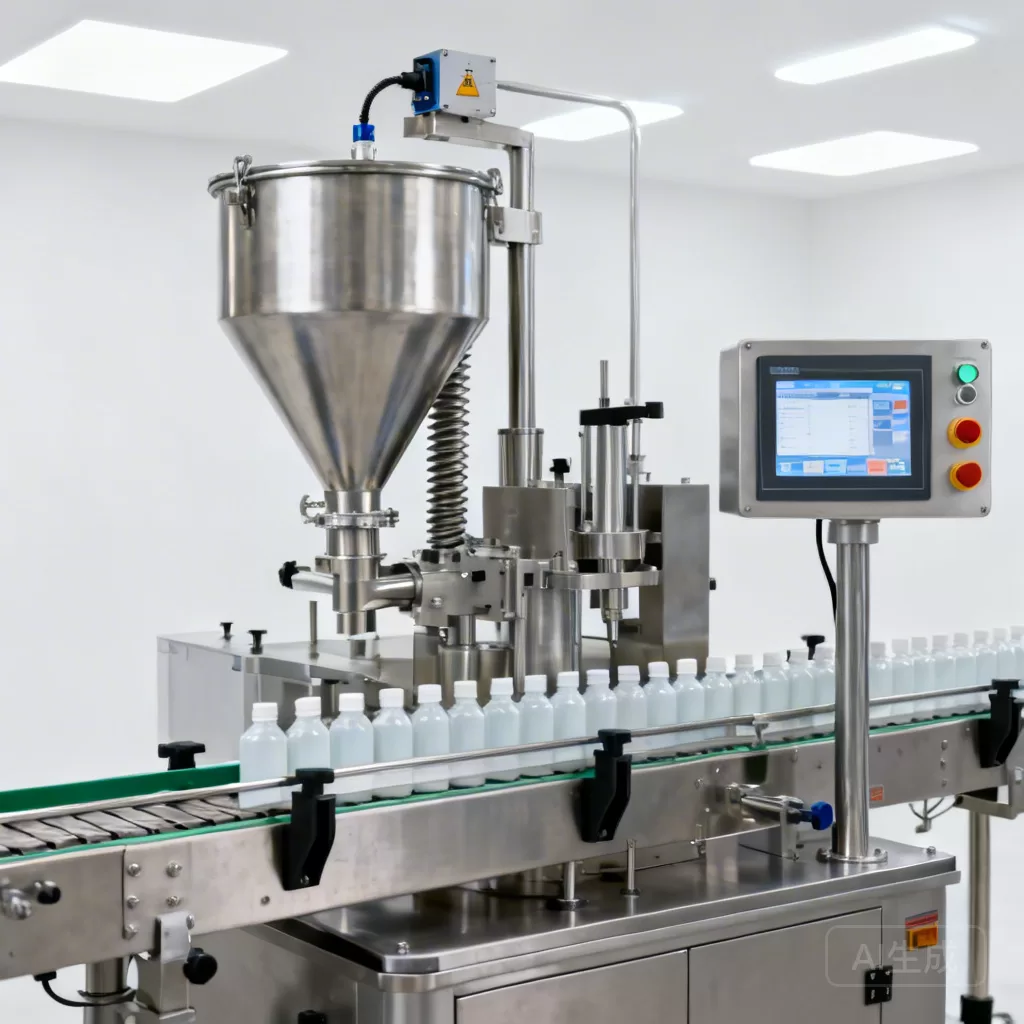
Weigher Packing Machine: The Definitive Guide to Precision Weighing & Packaging
10-03-2026 -
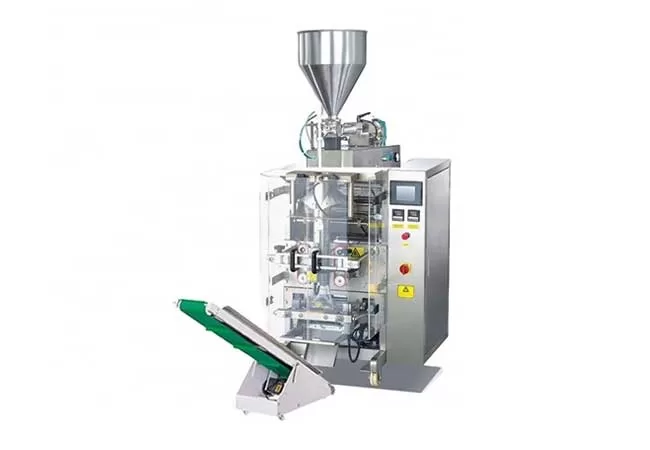
Auger Type Powder Filling Machine: The Ultimate Guide to Precision Packaging
09-03-2026 -
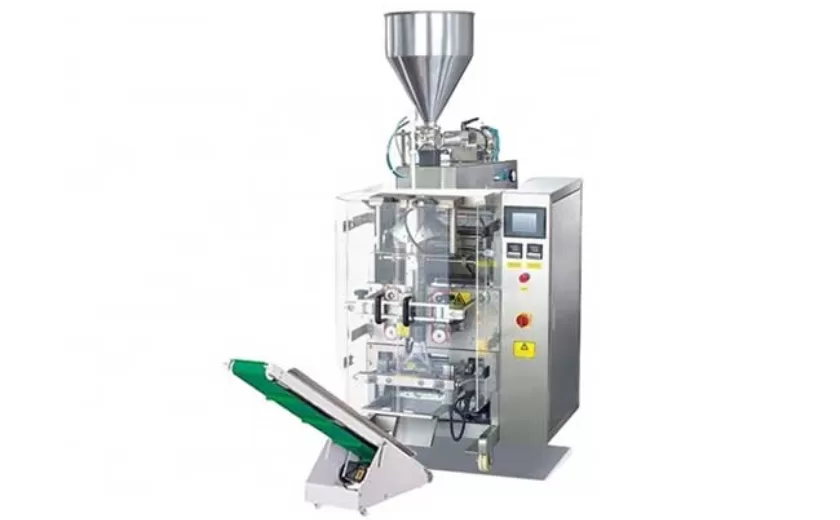
Advanced Packing Solutions: Snacks, Sugar, and Frozen Food Machines
29-10-2025 -
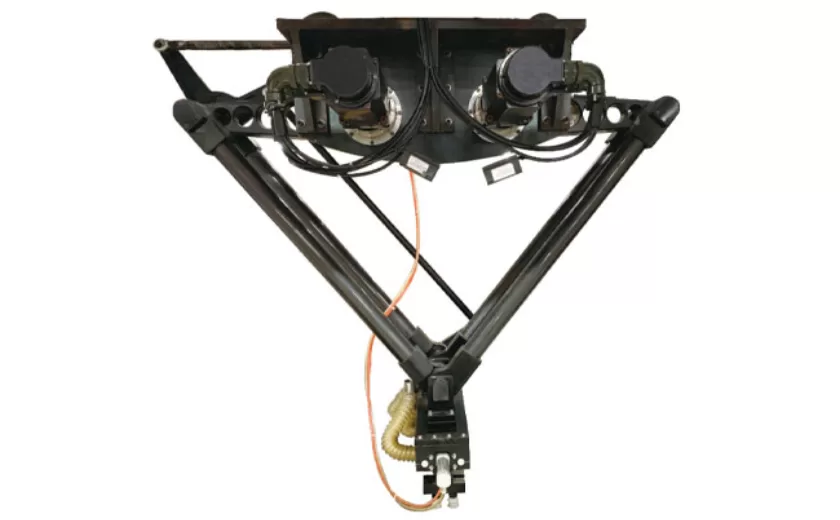
Efficient and Reliable Solutions for Salt, Nuts, and Frozen Dumplings Packing
29-10-2025 -
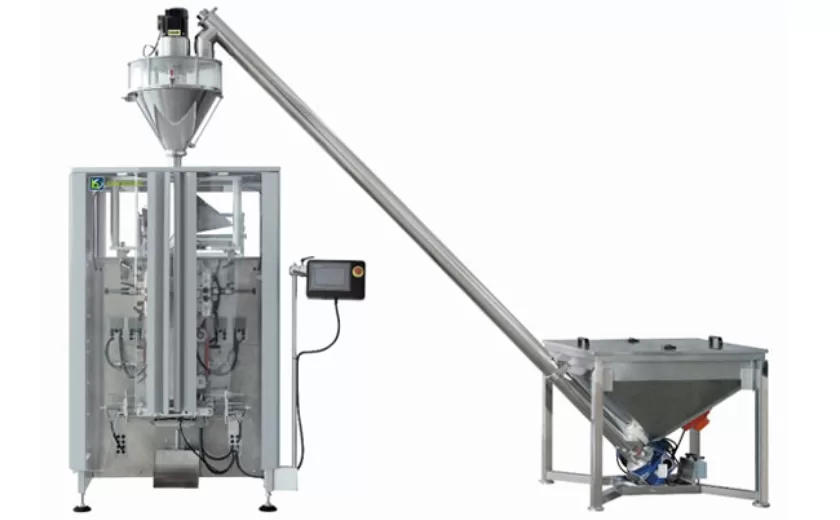
High-Performance Biscuits, Lollipop, and Ketchup Packing Machines for Modern Food Production
29-10-2025 -
Efficient Liquid Filling and Packing Machines for Modern Production
23-10-2025 -
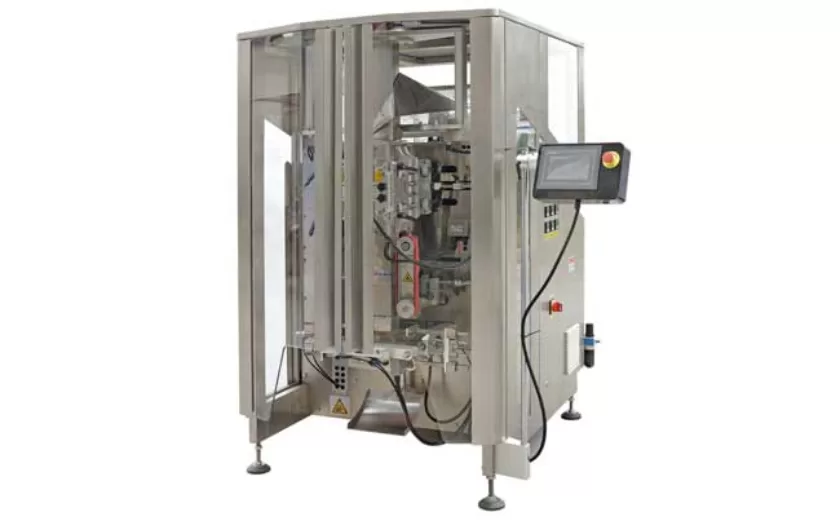
Reliable Granule Packaging Machines for Efficient Production
23-10-2025
