
Installing System.Data.SqlClient Package: A Comprehensive Guide
The Importance of System.Data.SqlClient Package
Modern databases are pivotal to the success of any application. In the .NET world, System.Data.SqlClient plays a crucial role in connecting .NET applications to Microsoft SQL Server databases. Installing this package can seem daunting at first, but fear not! This guide will walk you through the process step by step.
Step 1: Setting Up Your Project
Before installing System.Data.SqlClient, ensure you have your project set up in Visual Studio. Create a new project or open an existing one where you plan to use the SQL Client package.
Step 2: Installing System.Data.SqlClient
Open the NuGet Package Manager in Visual Studio and search for “System.Data.SqlClient.” Click on the package and select “Install” to add it to your project. This package will enable seamless communication between your .NET application and SQL Server.
Step 3: Configuring the Connection String
After installing the package, you need to set up the connection string in your application’s configuration file. This string contains essential information like the server name, database name, username, and password required to establish a connection.
Step 4: Writing Your Database Queries
With System.Data.SqlClient installed, you can now write SQL queries directly in your C# code. Utilize the SqlCommand object to execute queries, retrieve data, and perform necessary operations on your SQL Server database.
Step 5: Testing Your Connection
Before deploying your application, ensure that the connection to your SQL Server database is working correctly. Run test queries and operations to validate the functionality of System.Data.SqlClient in your project.
Step 6: Best Practices and Troubleshooting
Throughout your development process, adhere to best practices when using System.Data.SqlClient. Remember to handle exceptions, close connections after use, and regularly update the package to leverage new features and bug fixes.
Congratulations, you’ve successfully implemented System.Data.SqlClient in your .NET project! With this powerful tool at your disposal, you can create robust applications that interact seamlessly with SQL Server databases.


-

VFFS Equipment: The Ultimate Guide to Vertical Form Fill Seal Technology
13-03-2026 -

The Essential Guide to Weight Packing Machines for Precision Weighing
12-03-2026 -

Power Packing Machine: The Ultimate Guide to Heavy-Duty Packaging Efficiency
11-03-2026 -

Weigher Packing Machine: The Definitive Guide to Precision Weighing & Packaging
10-03-2026 -

Auger Type Powder Filling Machine: The Ultimate Guide to Precision Packaging
09-03-2026 -

Advanced Packing Solutions: Snacks, Sugar, and Frozen Food Machines
29-10-2025 -

Efficient and Reliable Solutions for Salt, Nuts, and Frozen Dumplings Packing
29-10-2025 -

High-Performance Biscuits, Lollipop, and Ketchup Packing Machines for Modern Food Production
29-10-2025 -
Efficient Liquid Filling and Packing Machines for Modern Production
23-10-2025 -
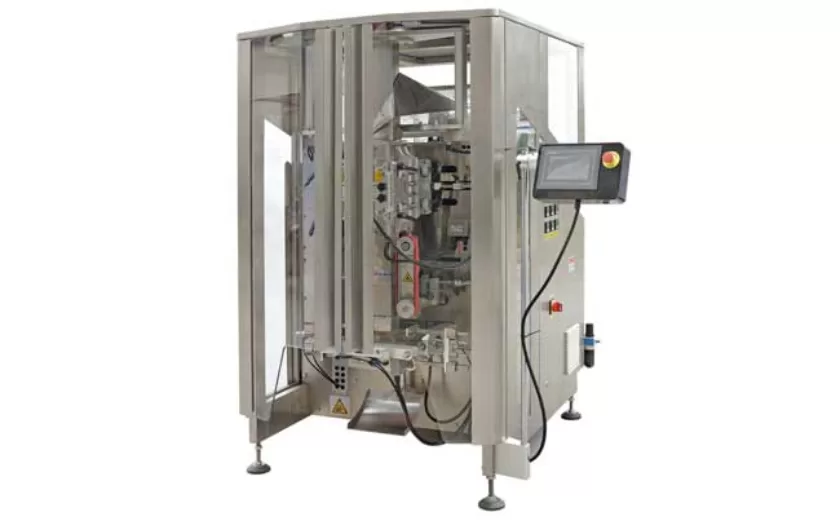
Reliable Granule Packaging Machines for Efficient Production
23-10-2025
