
Installing Python Packages System-Wide
Installing Python Packages System-Wide
In the world of Python programming, managing packages is an essential task for developers. One common question that arises is how to install Python packages system-wide so they can be accessed and utilized across various projects without the need for repeated installations.
One way to achieve this is by using the –user option when installing packages via pip. This installs the packages in the user’s home directory, making them accessible system-wide.
Alternatively, if you need to install packages globally for all users on a system, you can utilize virtual environments or package managers like conda to keep your system’s Python environment clean and organized.
By understanding these methods and best practices for installing Python packages system-wide, you can ensure a smooth development experience and efficient use of libraries and dependencies.
Stay tuned for more tips and tricks on Python programming!


-
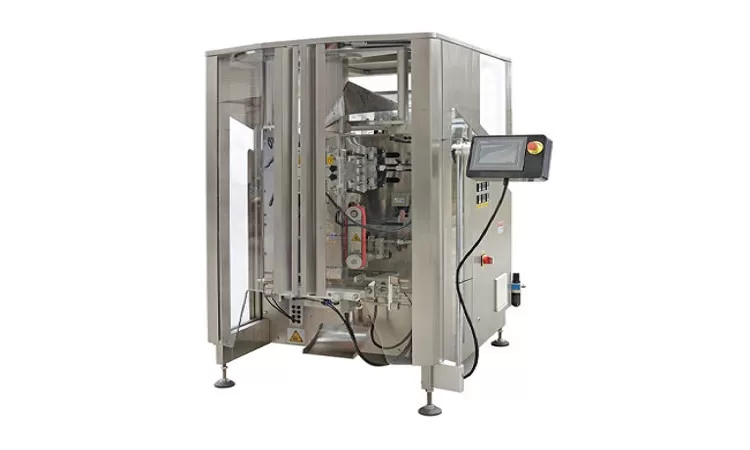
VFFS Equipment: The Ultimate Guide to Vertical Form Fill Seal Technology
13-03-2026 -

The Essential Guide to Weight Packing Machines for Precision Weighing
12-03-2026 -

Power Packing Machine: The Ultimate Guide to Heavy-Duty Packaging Efficiency
11-03-2026 -

Weigher Packing Machine: The Definitive Guide to Precision Weighing & Packaging
10-03-2026 -

Auger Type Powder Filling Machine: The Ultimate Guide to Precision Packaging
09-03-2026 -

Advanced Packing Solutions: Snacks, Sugar, and Frozen Food Machines
29-10-2025 -
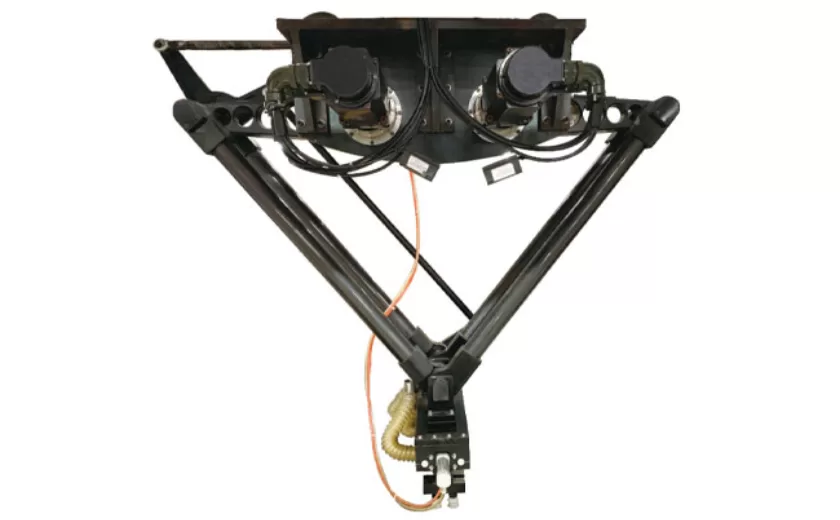
Efficient and Reliable Solutions for Salt, Nuts, and Frozen Dumplings Packing
29-10-2025 -
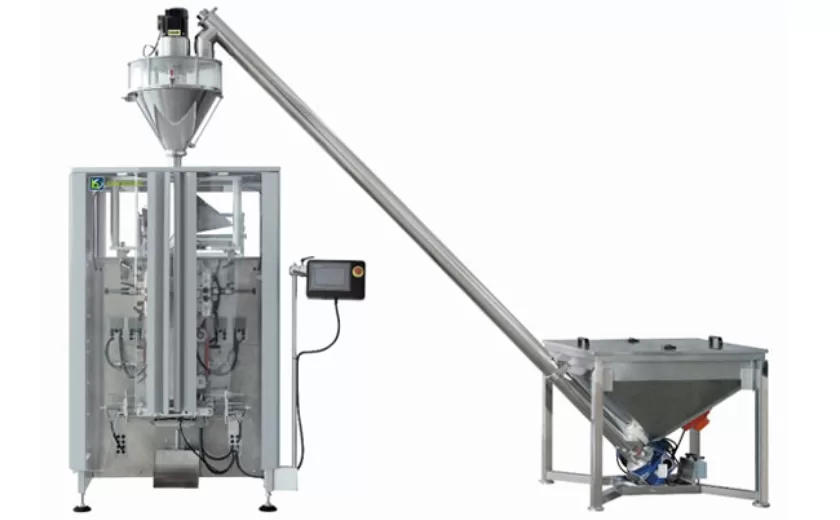
High-Performance Biscuits, Lollipop, and Ketchup Packing Machines for Modern Food Production
29-10-2025 -
Efficient Liquid Filling and Packing Machines for Modern Production
23-10-2025 -
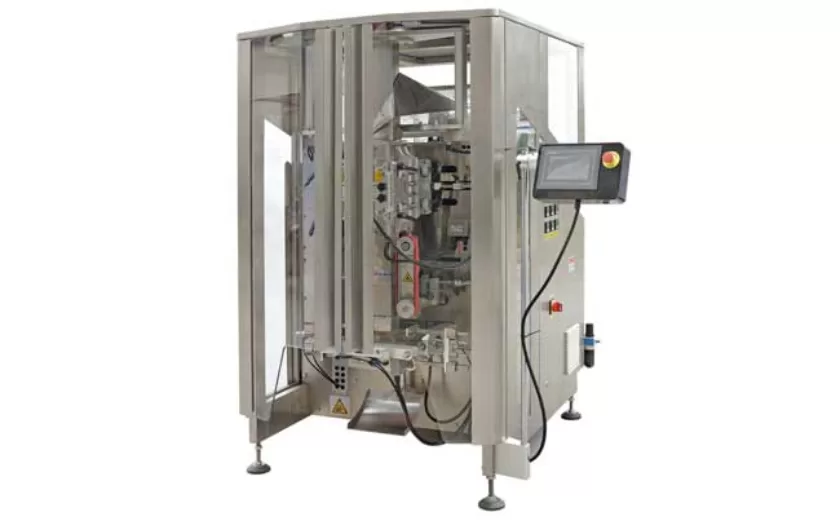
Reliable Granule Packaging Machines for Efficient Production
23-10-2025
