
Futuristic Innovations: Fully Automatic Filling and Packing Machine Revolution
The Evolution of Automated Filling and Packing Machines
In the realm of modern manufacturing, the integration of advanced technologies has ushered in a new era of efficiency and precision. Fully automatic filling and packing machines stand at the forefront of this technological revolution, transforming the production landscape with their speed, accuracy, and reliability.
These cutting-edge machines have redefined the way industries handle their packaging requirements, offering a seamless and efficient solution to the complexities of bulk production. With automated systems governing the entire process, from filling to sealing, businesses can now optimize their operations and maximize output like never before.
Enhanced Productivity and Precision
One of the key advantages of fully automatic filling and packing machines is their ability to enhance productivity while maintaining high levels of precision. By automating repetitive tasks that were once performed manually, these machines eliminate the margin of error and ensure consistent results with every cycle.
Furthermore, the advanced sensors and control systems integrated into these machines allow for real-time monitoring and adjustments, guaranteeing optimal performance throughout the production run. This level of precision not only improves the overall quality of the packaged products but also minimizes wastage, ultimately leading to cost savings for manufacturers.
Adaptability and Customization
Another notable feature of modern filling and packing machines is their adaptability and customization capabilities. Whether it’s adjusting fill volumes, changing packaging materials, or switching between different product variants, these machines can be easily reconfigured to meet various requirements.
With programmable settings and user-friendly interfaces, operators can swiftly set up the machine for different production runs without the need for extensive retooling or downtime. This flexibility not only streamlines the manufacturing process but also enables businesses to respond quickly to changing market demands and consumer preferences.
Operational Efficiency and Cost Optimization
By automating the filling and packing process, businesses can achieve significant improvements in operational efficiency and cost optimization. The elimination of manual labor reduces the risk of human error and ensures a more streamlined workflow, leading to higher output rates and faster turnaround times.
Moreover, the energy-efficient design of these machines helps lower utility costs and minimize environmental impact, making them a sustainable choice for forward-thinking manufacturers. With reduced maintenance requirements and improved reliability, fully automatic filling and packing machines offer long-term value and a solid return on investment.
The Future of Manufacturing
As we look ahead, the role of fully automatic filling and packing machines in the manufacturing industry is set to expand even further. With advancements in artificial intelligence, machine learning, and robotics, these machines will become more intelligent, autonomous, and integrated within smart factory environments.
From predictive maintenance to adaptive manufacturing processes, the future of automated filling and packing machines promises not just efficiency and precision but also scalability and agility. By embracing these technological innovations, businesses can stay ahead of the curve and continue to drive innovation in the ever-evolving landscape of modern manufacturing.
In conclusion, the adoption of fully automatic filling and packing machines represents a pivotal step towards a more efficient, sustainable, and competitive manufacturing sector. With their ability to revolutionize production processes and redefine industry standards, these machines are not just tools of the trade but catalysts for transformation in the global marketplace.


-
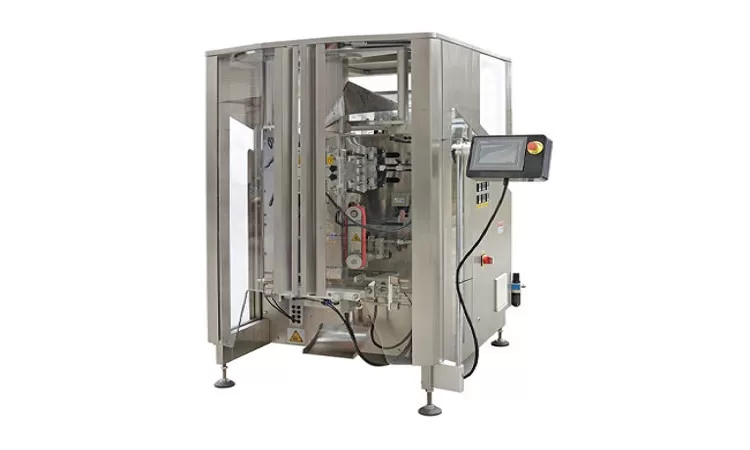
VFFS Equipment: The Ultimate Guide to Vertical Form Fill Seal Technology
13-03-2026 -
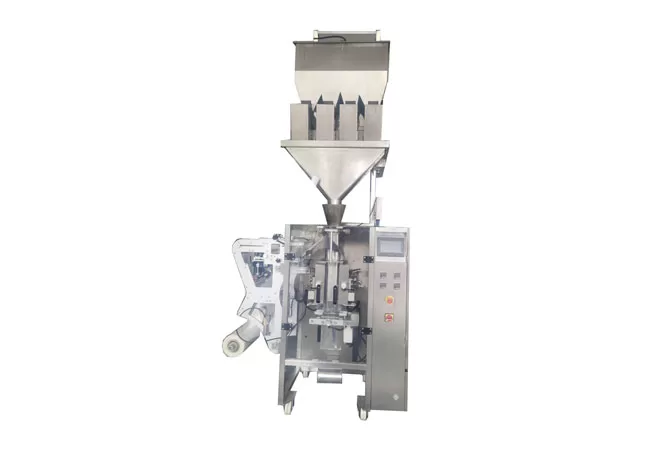
The Essential Guide to Weight Packing Machines for Precision Weighing
12-03-2026 -
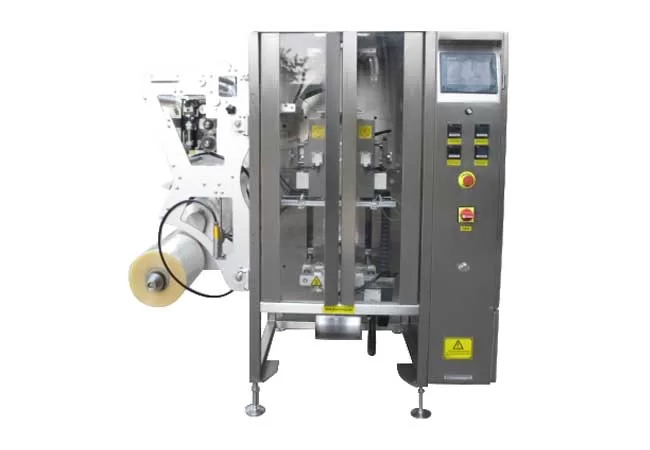
Power Packing Machine: The Ultimate Guide to Heavy-Duty Packaging Efficiency
11-03-2026 -
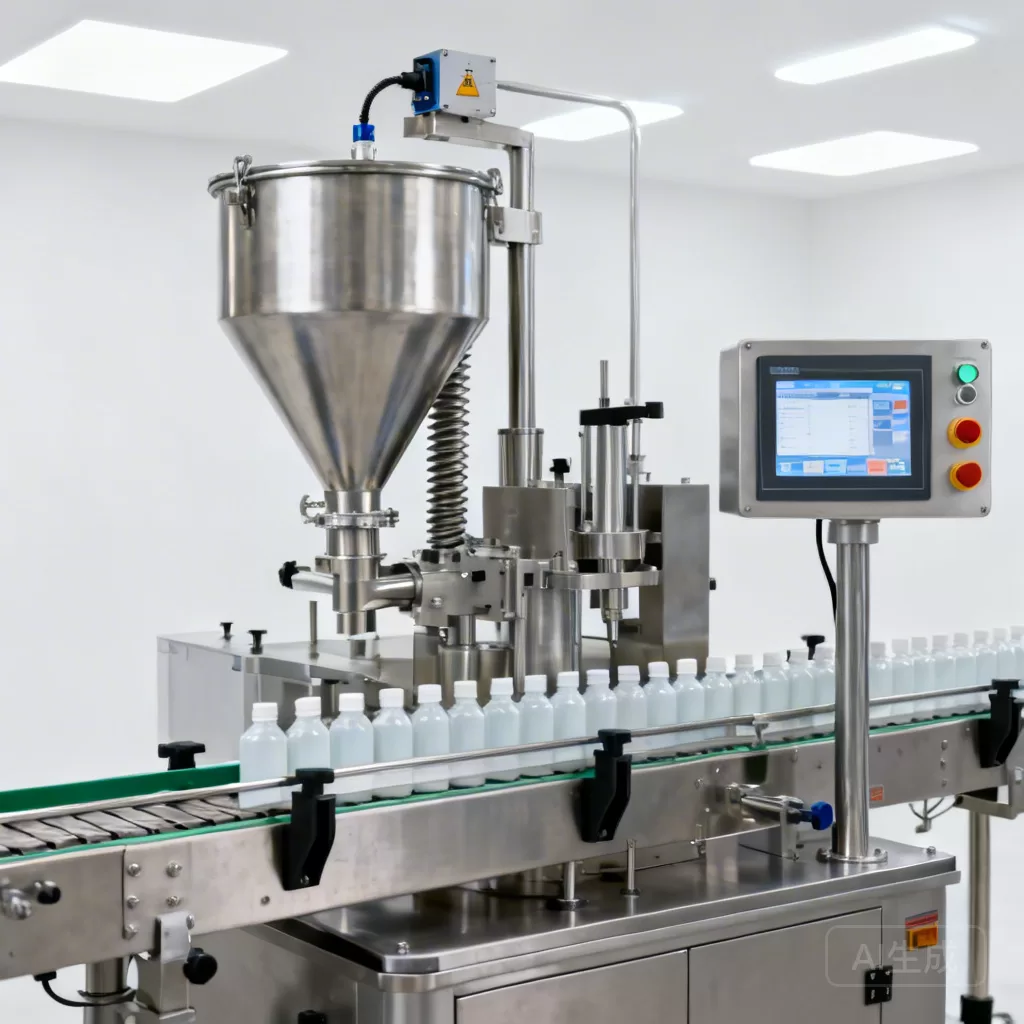
Weigher Packing Machine: The Definitive Guide to Precision Weighing & Packaging
10-03-2026 -
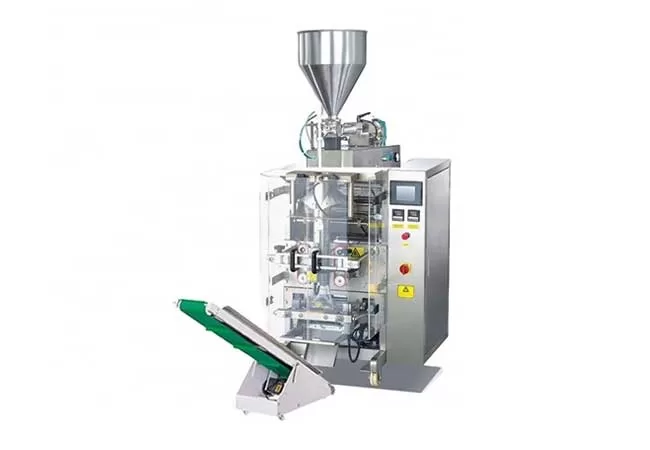
Auger Type Powder Filling Machine: The Ultimate Guide to Precision Packaging
09-03-2026 -
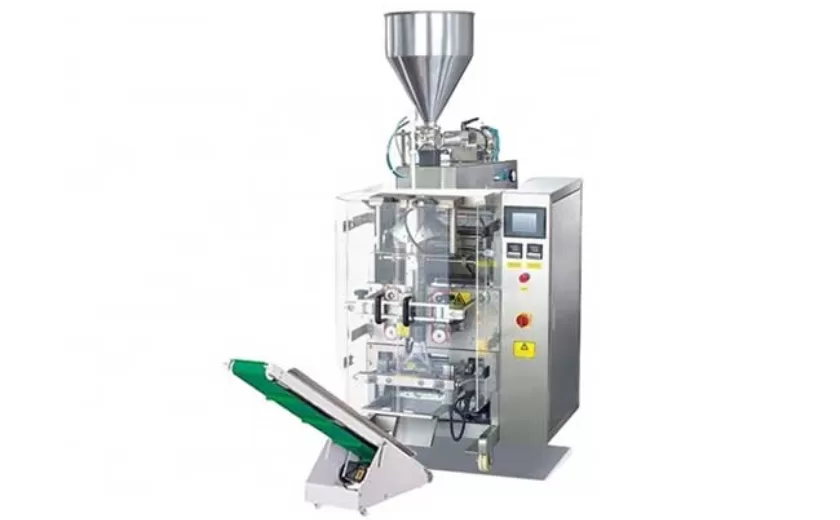
Advanced Packing Solutions: Snacks, Sugar, and Frozen Food Machines
29-10-2025 -
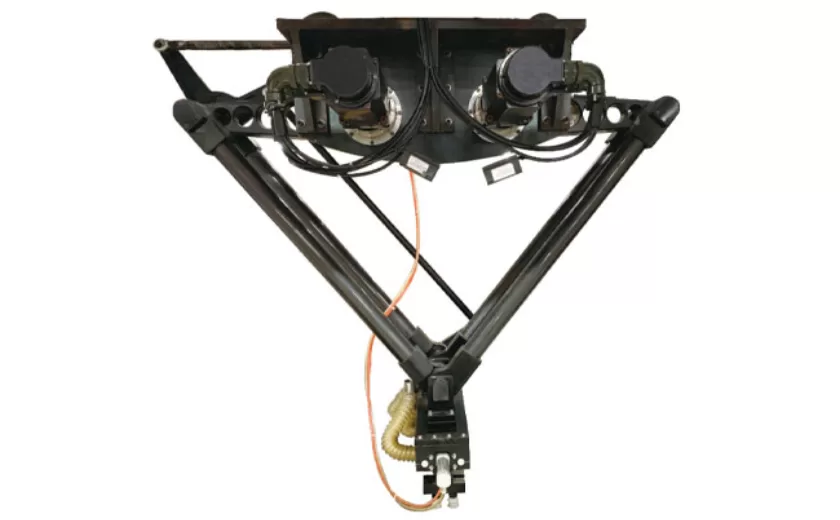
Efficient and Reliable Solutions for Salt, Nuts, and Frozen Dumplings Packing
29-10-2025 -
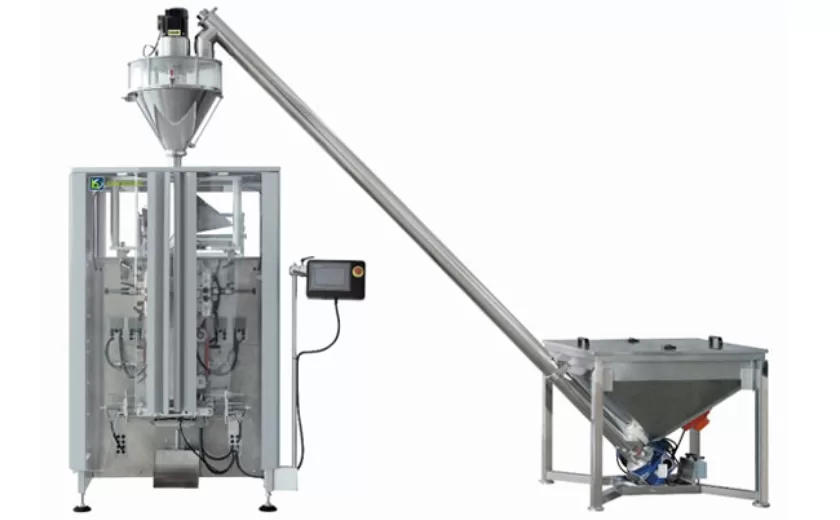
High-Performance Biscuits, Lollipop, and Ketchup Packing Machines for Modern Food Production
29-10-2025 -
Efficient Liquid Filling and Packing Machines for Modern Production
23-10-2025 -
Reliable Granule Packaging Machines for Efficient Production
23-10-2025
