
Exploring the Versatility of Third-Generation Lentivirus Vectors with Conditional Packaging Systems
The Power of Third-Generation Lentivirus Vectors
In the realm of gene therapy and genetic engineering, third-generation lentivirus vectors with conditional packaging systems have emerged as potent tools for precise and efficient gene delivery. These vectors offer a versatile platform for manipulating gene expression in a wide range of biological systems, opening up new avenues for research and therapeutic applications.
Understanding Lentivirus Vectors
Lentiviruses are a type of retrovirus known for their ability to integrate their genetic material into the host cell genome, providing a stable and long-lasting gene expression platform. Third-generation lentivirus vectors have been engineered to enhance safety and efficiency by separating the packaging and transfer functions, reducing the risk of replication-competent lentivirus production.
Conditional Packaging Systems
Conditional packaging systems allow for the controlled production of lentiviral vectors in a spatiotemporal manner. By incorporating inducible promoters or regulatory elements, researchers can precisely modulate vector production, minimizing off-target effects and enhancing safety profiles.
Applications in Gene Therapy
The unique properties of third-generation lentivirus vectors make them valuable tools for gene therapy applications. These vectors can be used to deliver therapeutic genes to target cells, offering potential treatments for genetic disorders, cancers, and neurodegenerative diseases.
Research Advancements
Recent research has focused on optimizing the design and functionality of third-generation lentivirus vectors. From improving transduction efficiency to enhancing cargo capacities, ongoing innovations continue to expand the capabilities of these vectors for diverse research applications.
Future Directions
As we delve deeper into the realm of genetic engineering and gene therapy, the potential of third-generation lentivirus vectors with conditional packaging systems remains vast. With further refinements in vector design and delivery strategies, we can harness the full power of these tools to advance our understanding of biology and develop innovative therapeutic interventions.
Conclusion
In conclusion, third-generation lentivirus vectors with conditional packaging systems represent a significant leap forward in gene delivery technology. Their versatility, safety features, and precise control mechanisms make them indispensable tools for a wide array of research and therapeutic applications. With continued advancements and exploration, the future holds immense promise for the field of gene therapy and genetic engineering.


-
VFFS Equipment: The Ultimate Guide to Vertical Form Fill Seal Technology
13-03-2026 -
The Essential Guide to Weight Packing Machines for Precision Weighing
12-03-2026 -
Power Packing Machine: The Ultimate Guide to Heavy-Duty Packaging Efficiency
11-03-2026 -
Weigher Packing Machine: The Definitive Guide to Precision Weighing & Packaging
10-03-2026 -
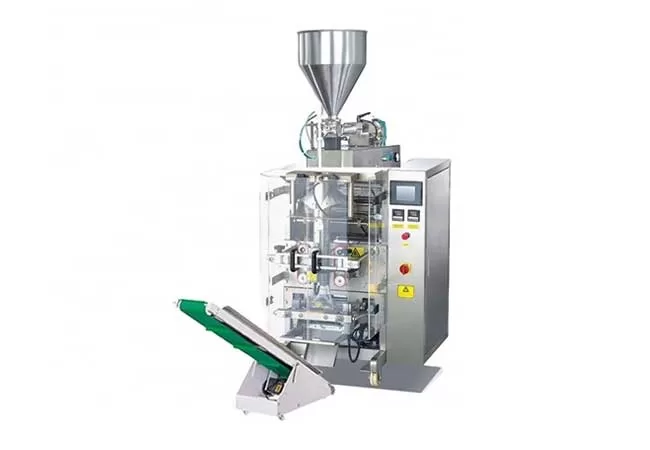
Auger Type Powder Filling Machine: The Ultimate Guide to Precision Packaging
09-03-2026 -
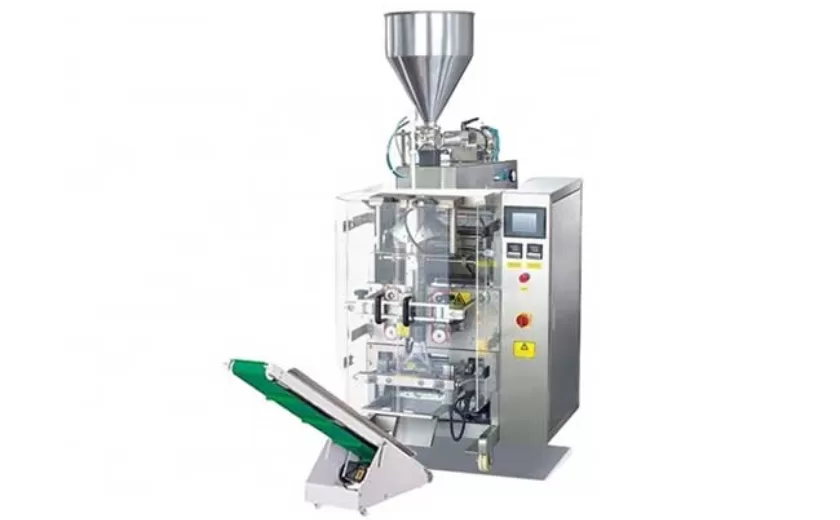
Advanced Packing Solutions: Snacks, Sugar, and Frozen Food Machines
29-10-2025 -
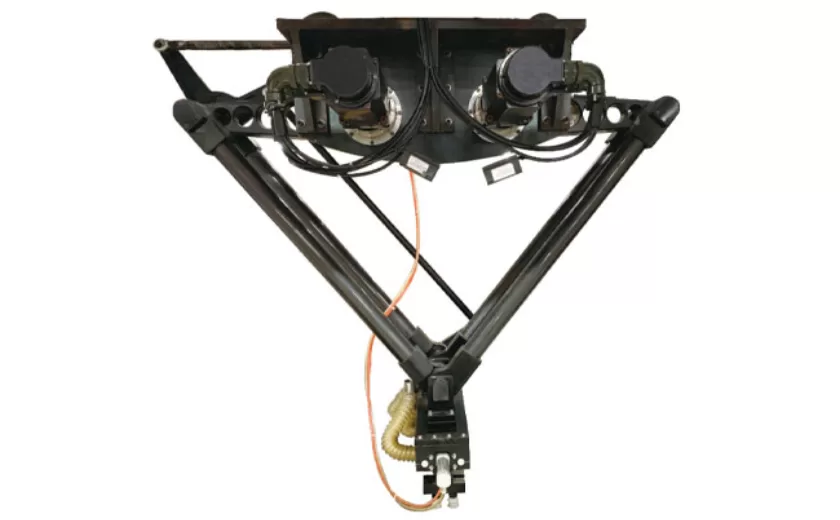
Efficient and Reliable Solutions for Salt, Nuts, and Frozen Dumplings Packing
29-10-2025 -
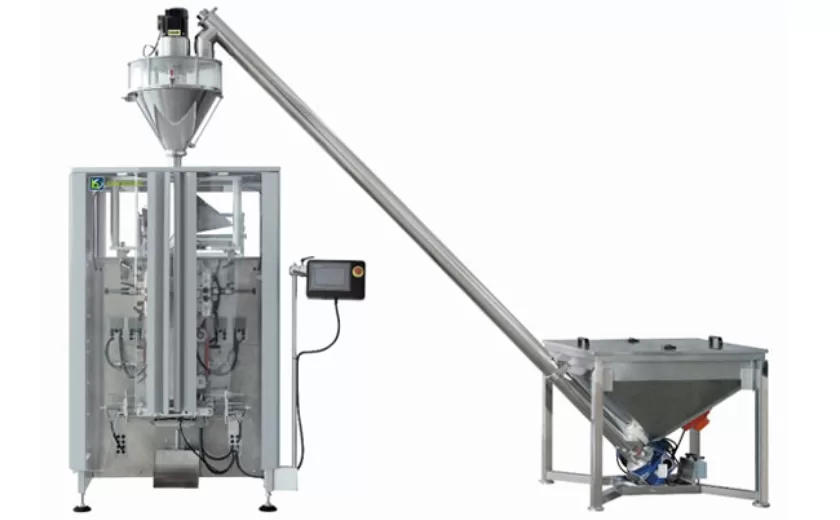
High-Performance Biscuits, Lollipop, and Ketchup Packing Machines for Modern Food Production
29-10-2025 -
Efficient Liquid Filling and Packing Machines for Modern Production
23-10-2025 -
Reliable Granule Packaging Machines for Efficient Production
23-10-2025
