
Exploring the Power of System.out.println in Java
The Versatility of System.out.println in Java Programming
In the realm of Java programming, System.out.println stands out as one of the most fundamental and versatile functions. This method, which is part of the PrintStream class under the java.io package, allows developers to output information to the console during program execution. Let’s delve into the various aspects and nuances of System.out.println and understand how it shapes the way we interact with Java code.
Understanding System.out.println
System.out.println is a method used to display information on the standard output stream, typically the console. This function accepts various data types such as strings, integers, and other objects, making it a versatile tool for printing messages, debugging code, and communicating insights during program execution.
Usage and Syntax
The syntax of System.out.println is straightforward: System.out.println(“message to be displayed”);. Developers can insert any valid Java expression within the parentheses to print its value to the console. This simple yet powerful function serves as a cornerstone for beginner programmers to understand the flow of their code and troubleshoot errors effectively.
Benefits of System.out.println
One of the key benefits of using System.out.println is its immediate feedback mechanism. By strategically placing print statements within the code, developers can track the program’s progress, identify logical errors, and validate the output at different stages of execution. This real-time insight is invaluable for debugging complex algorithms and ensuring the code behaves as expected.
Best Practices
While System.out.println is a handy tool, excessive use can clutter the console and make it challenging to interpret the output. It’s essential to use this function judiciously, focusing on critical checkpoints and pivotal variables to streamline the debugging process. Additionally, developers can leverage logging frameworks like Log4j or SLF4J for more advanced logging features and customization options.
Advanced Applications
Beyond its basic usage, System.out.println can be employed creatively in various scenarios. For instance, developers can integrate this function with conditional statements to tailor the output based on specific conditions, making the debugging process more targeted and efficient. Moreover, System.out.println can be redirected to files or other output streams, expanding its utility beyond the standard console output.
Conclusion
System.out.println is a fundamental tool in the Java developer’s arsenal, offering a simple yet effective way to interact with code and gain insights during program execution. By mastering the nuances of this method and applying best practices, developers can streamline their debugging process, troubleshoot errors efficiently, and enhance the overall quality of their Java applications.


-
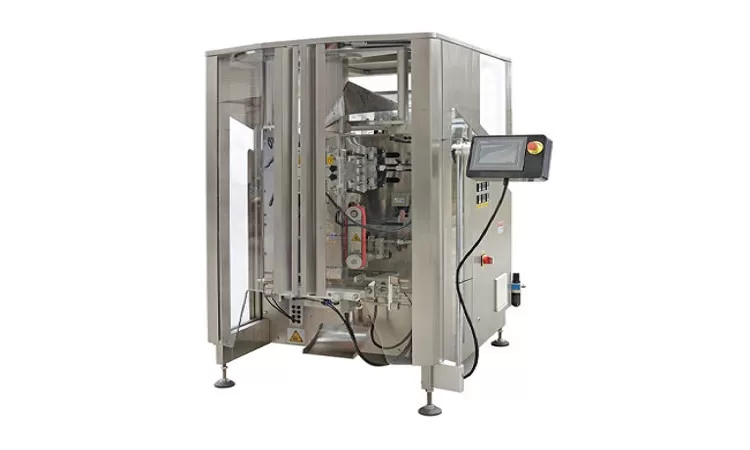
VFFS Equipment: The Ultimate Guide to Vertical Form Fill Seal Technology
13-03-2026 -
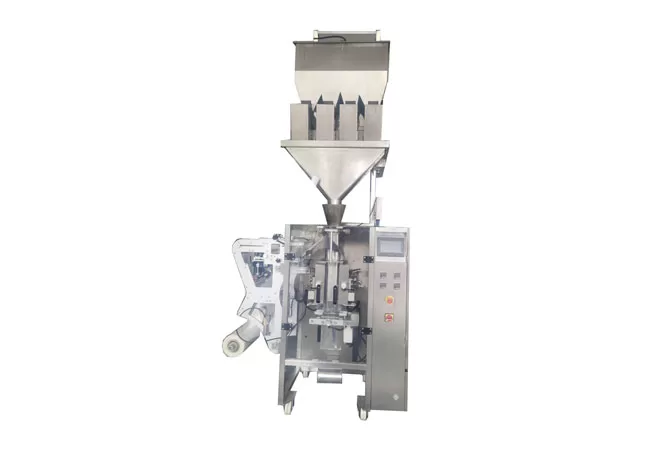
The Essential Guide to Weight Packing Machines for Precision Weighing
12-03-2026 -
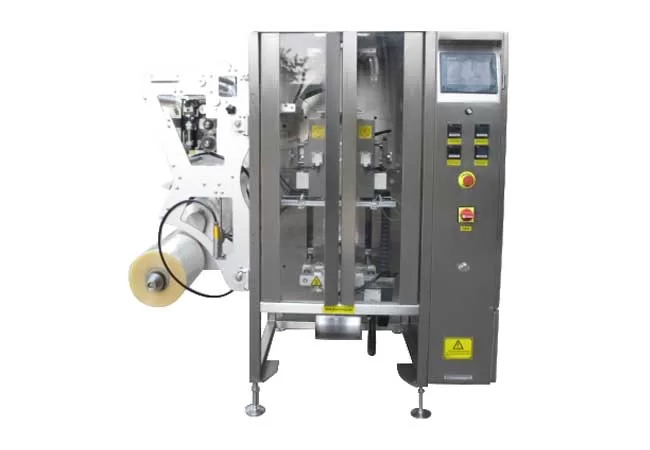
Power Packing Machine: The Ultimate Guide to Heavy-Duty Packaging Efficiency
11-03-2026 -

Weigher Packing Machine: The Definitive Guide to Precision Weighing & Packaging
10-03-2026 -
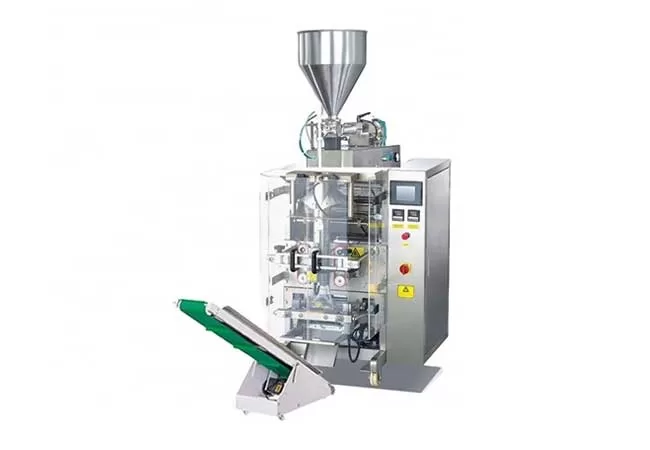
Auger Type Powder Filling Machine: The Ultimate Guide to Precision Packaging
09-03-2026 -
Advanced Packing Solutions: Snacks, Sugar, and Frozen Food Machines
29-10-2025 -
Efficient and Reliable Solutions for Salt, Nuts, and Frozen Dumplings Packing
29-10-2025 -
High-Performance Biscuits, Lollipop, and Ketchup Packing Machines for Modern Food Production
29-10-2025 -
Efficient Liquid Filling and Packing Machines for Modern Production
23-10-2025 -
Reliable Granule Packaging Machines for Efficient Production
23-10-2025
