
Exploring the Power of Neural Networks: A Python Package Machine Learning Blog
The Evolution of Machine Learning: Unveiling the World of Neural Networks
Machine learning has seen a phenomenal rise in recent years, and one of the key technologies driving this evolution is neural networks. These complex systems are inspired by the human brain and have proven to be highly effective in learning complex patterns from data. In this article, we dive into the world of neural networks and explore how Python packages have democratized their implementation.
The Foundation of Neural Networks
Neural networks are composed of interconnected nodes, or neurons, that work together to learn patterns from data through a process known as training. The layers of neurons in a neural network are responsible for different aspects of learning, with each layer extracting increasingly abstract features from the input data.
Python Packages Revolutionizing Machine Learning
Python has emerged as the language of choice for machine learning enthusiasts, and the availability of powerful packages has played a significant role in this trend. Frameworks such as TensorFlow, PyTorch, and Keras have simplified the implementation of neural networks, making it accessible to a wider audience.
Exploring TensorFlow: A Deep Dive
TensorFlow, developed by Google, is one of the most popular frameworks for building neural networks. Its intuitive syntax and robust capabilities have made it a favorite among developers. From building simple feedforward networks to advanced convolutional and recurrent architectures, TensorFlow offers a wide range of tools for exploring the power of neural networks.
PyTorch: The Dynamic Deep Learning Framework
PyTorch is another popular choice for deep learning enthusiasts. Known for its dynamic computational graph and seamless integration with Python, PyTorch has gained traction in both research and industry applications. Its flexibility and ease of use make it a versatile tool for experimenting with different neural network architectures.
Putting Theory into Practice: A Practical Guide
Now that we’ve explored the theory behind neural networks and the frameworks that support their implementation, it’s time to put our knowledge into practice. By working on hands-on projects and experimenting with different models, we can truly understand the power of neural networks and their potential to transform the field of machine learning.
Wrapping Up
As we conclude our journey into the world of neural networks and Python packages, it’s clear that these technologies hold immense promise for the future of machine learning. By leveraging the tools and resources available to us, we can continue to push the boundaries of what is possible and unlock new frontiers in artificial intelligence.
Stay tuned for more insights and updates on the latest trends in machine learning and AI!


-
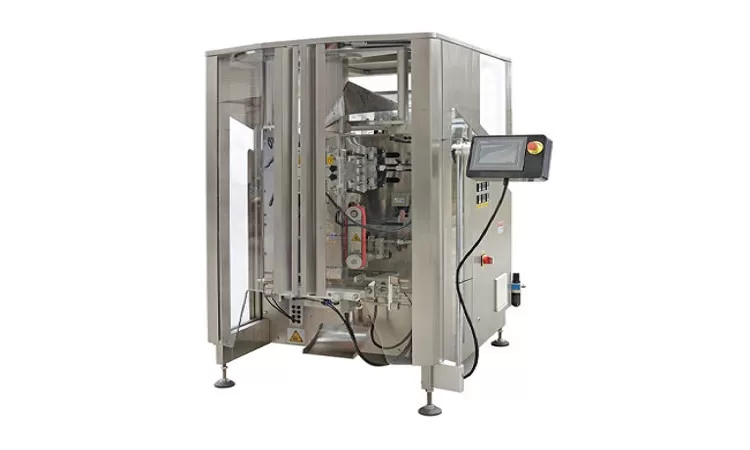
VFFS Equipment: The Ultimate Guide to Vertical Form Fill Seal Technology
13-03-2026 -
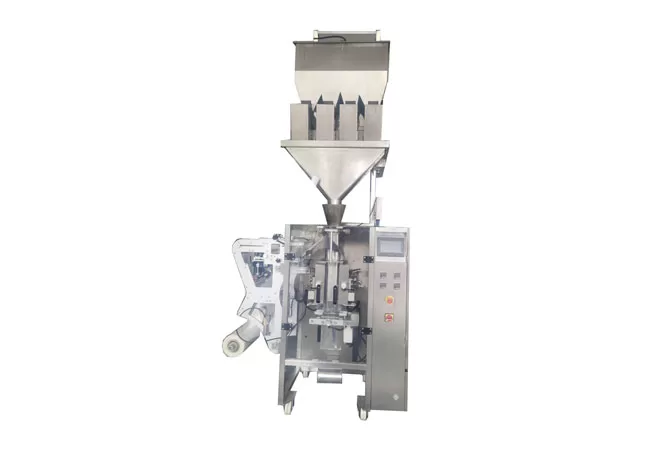
The Essential Guide to Weight Packing Machines for Precision Weighing
12-03-2026 -
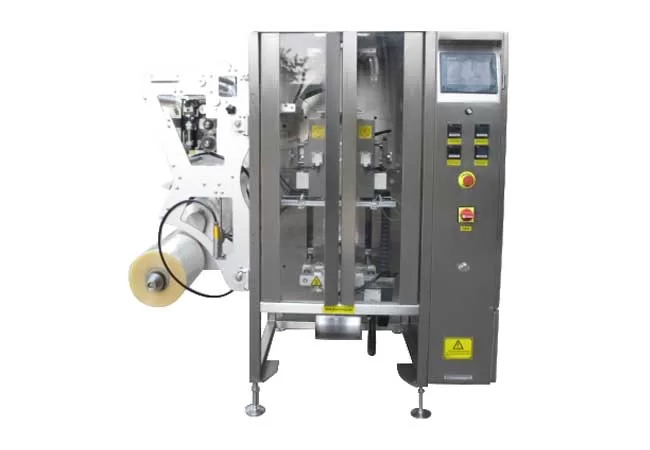
Power Packing Machine: The Ultimate Guide to Heavy-Duty Packaging Efficiency
11-03-2026 -

Weigher Packing Machine: The Definitive Guide to Precision Weighing & Packaging
10-03-2026 -
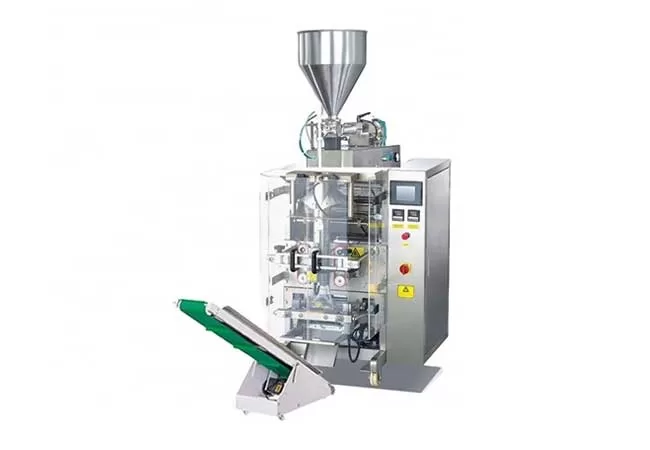
Auger Type Powder Filling Machine: The Ultimate Guide to Precision Packaging
09-03-2026 -
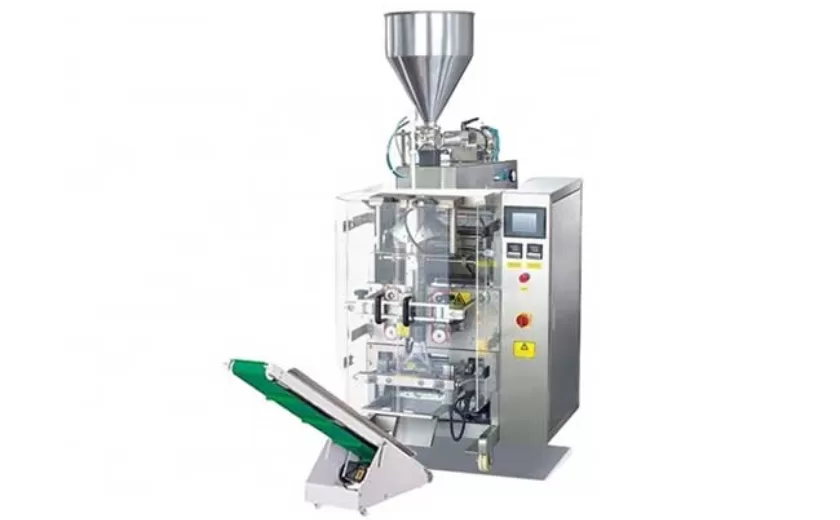
Advanced Packing Solutions: Snacks, Sugar, and Frozen Food Machines
29-10-2025 -
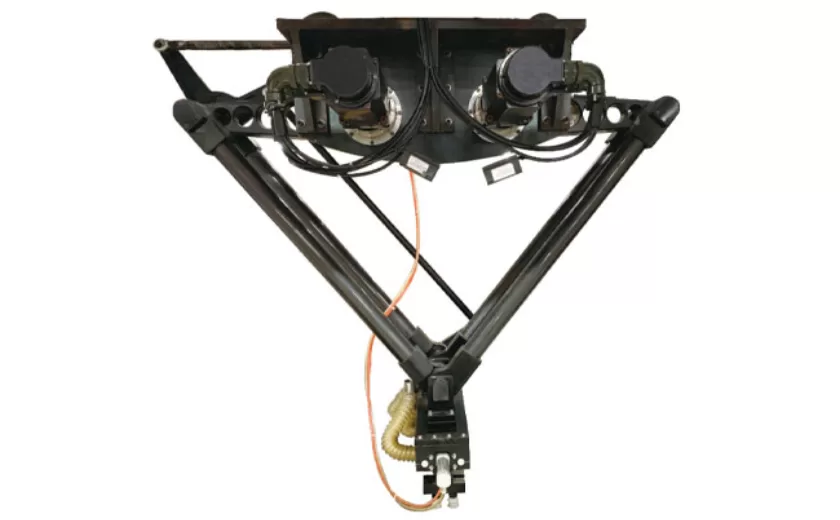
Efficient and Reliable Solutions for Salt, Nuts, and Frozen Dumplings Packing
29-10-2025 -
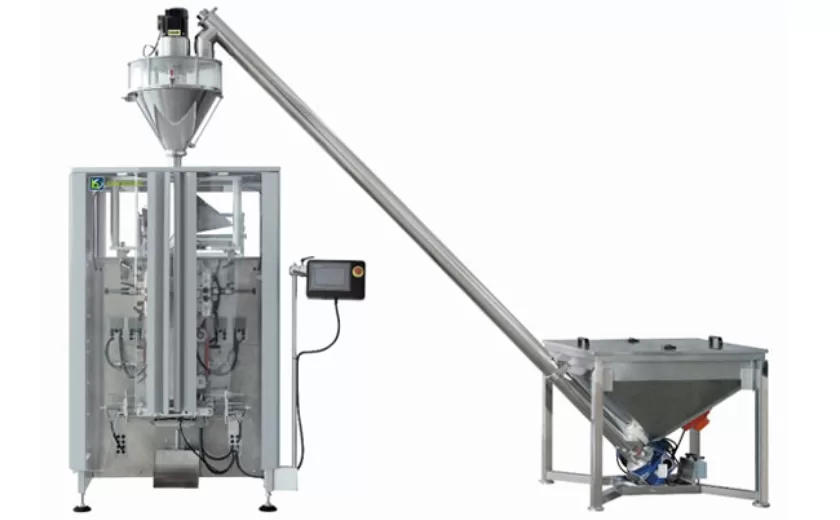
High-Performance Biscuits, Lollipop, and Ketchup Packing Machines for Modern Food Production
29-10-2025 -
Efficient Liquid Filling and Packing Machines for Modern Production
23-10-2025 -
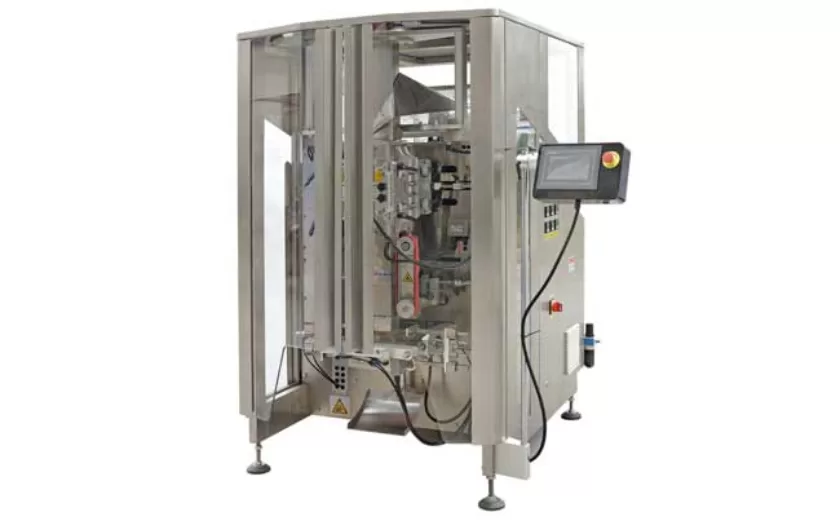
Reliable Granule Packaging Machines for Efficient Production
23-10-2025
