
Design System Essentials: Elevating User Experience
The Importance of Implementing a Design System
In the realm of product development, a design system serves as the cornerstone for ensuring consistency, efficiency, and user satisfaction. It’s a comprehensive set of rules, guidelines, and components that encapsulate a brand’s identity and enhance the overall user experience. As technology continues to evolve, the significance of implementing a robust design system becomes increasingly paramount.
Unifying Brand Identity
A well-defined design system harmonizes visual elements, typography, color schemes, and UI components to create a cohesive brand expression. By establishing unified guidelines, organizations can reinforce brand recognition and create a seamless experience across all platforms and devices.
Efficiency in Development
One of the primary advantages of a design system is streamlining the development process. With reusable components and predefined patterns, designers and developers can work collaboratively, saving time and effort on redundant tasks. This efficiency not only accelerates the production cycle but also ensures consistent quality throughout the application.
Enhancing User Experience
Central to any design system is its focus on improving user experience. By providing a standardized framework, users benefit from intuitive navigation, clear layouts, and familiar interfaces. Consistency in design elements reduces cognitive load, leading to higher user satisfaction and increased engagement.
Adapting to Changing Requirements
In a dynamic digital landscape, adaptability is key. Design systems allow for scalability and flexibility, enabling organizations to evolve their products without compromising visual coherence. By separating design from content, teams can iterate quickly, respond to user feedback, and adapt to emerging trends seamlessly.
Championing Accessibility and Inclusivity
Accessibility should be at the core of every design endeavor. A well-crafted design system incorporates accessibility standards from the outset, ensuring that all users, regardless of abilities, can interact with the product effectively. By prioritizing inclusivity, organizations demonstrate a commitment to diversity and equity.
Empowering Cross-Functional Collaboration
Design systems foster collaboration among cross-functional teams by establishing a shared language and visual vocabulary. Designers, developers, and content creators can communicate more effectively, aligning their efforts towards a common goal. This synergy results in a harmonious workflow and a more cohesive end product.
Driving Innovation and Consistency
Successful design systems strike a delicate balance between innovation and consistency. While encouraging creativity and experimentation, they also maintain a level of cohesion that upholds brand integrity. By leveraging the flexibility of a design system, organizations can push boundaries while preserving a recognizable brand identity.
Conclusion
Design systems are not mere guidelines; they are the blueprint for creating intuitive, engaging, and memorable digital experiences. By investing in a robust design system, organizations can elevate their products, empower their teams, and ultimately, delight their users.


-
VFFS Equipment: The Ultimate Guide to Vertical Form Fill Seal Technology
13-03-2026 -
The Essential Guide to Weight Packing Machines for Precision Weighing
12-03-2026 -
Power Packing Machine: The Ultimate Guide to Heavy-Duty Packaging Efficiency
11-03-2026 -
Weigher Packing Machine: The Definitive Guide to Precision Weighing & Packaging
10-03-2026 -
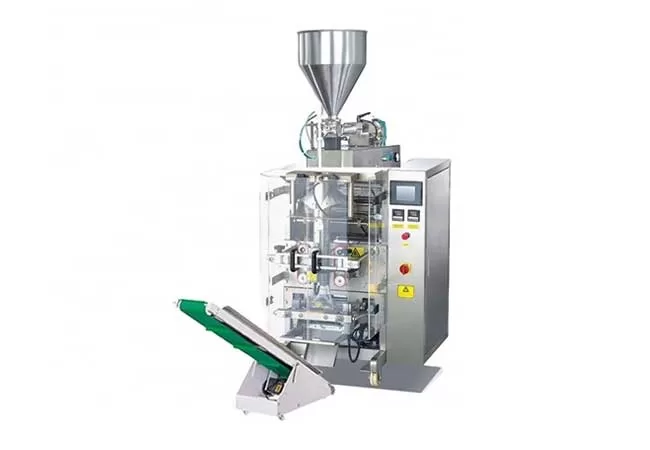
Auger Type Powder Filling Machine: The Ultimate Guide to Precision Packaging
09-03-2026 -
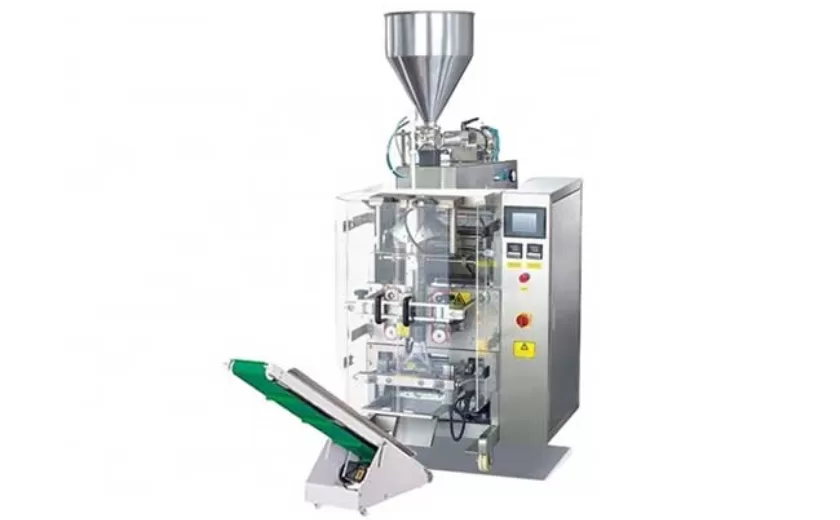
Advanced Packing Solutions: Snacks, Sugar, and Frozen Food Machines
29-10-2025 -
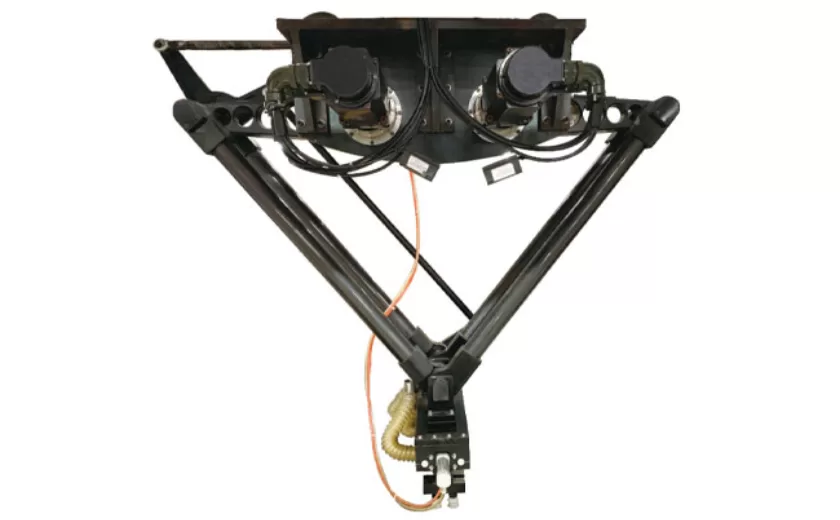
Efficient and Reliable Solutions for Salt, Nuts, and Frozen Dumplings Packing
29-10-2025 -
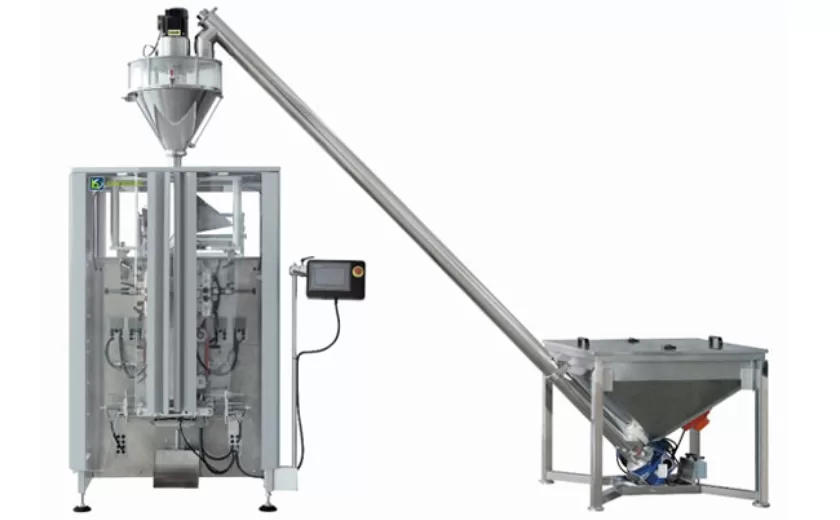
High-Performance Biscuits, Lollipop, and Ketchup Packing Machines for Modern Food Production
29-10-2025 -
Efficient Liquid Filling and Packing Machines for Modern Production
23-10-2025 -
Reliable Granule Packaging Machines for Efficient Production
23-10-2025
