
Creating Python Virtual Environments Using System Packages
Creating Python Virtual Environments Using System Packages
In Python development, using virtual environments is essential for maintaining project dependencies. However, you can streamline this process by leveraging system packages. This not only simplifies the setup but also ensures consistency across your projects.
To create a Python virtual environment that uses system packages, follow these steps:
- Install the Python virtual environment module using your package manager (e.g., apt, yum).
- Create a virtual environment by specifying the system site packages flag.
- Activate the virtual environment to start using it for your project.
By incorporating system packages into your virtual environments, you reduce redundant installations and minimize dependency conflicts. This approach enhances the efficiency and maintainability of your Python projects.
Experiment with creating virtual environments that leverage system packages in Python to optimize your development workflow and enhance project organization.


-
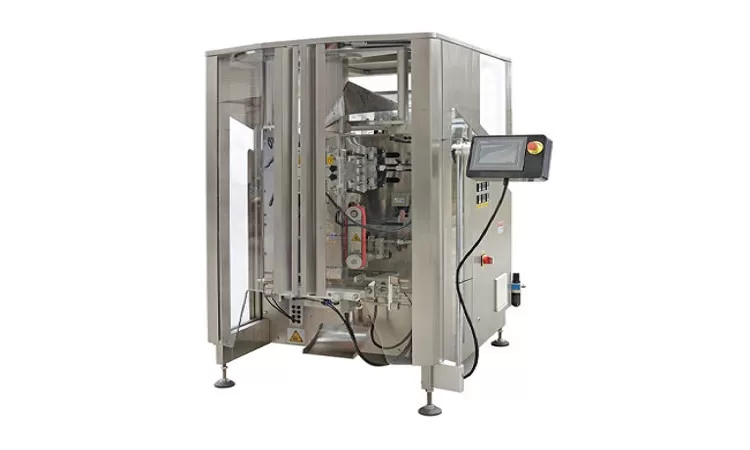
VFFS Equipment: The Ultimate Guide to Vertical Form Fill Seal Technology
13-03-2026 -
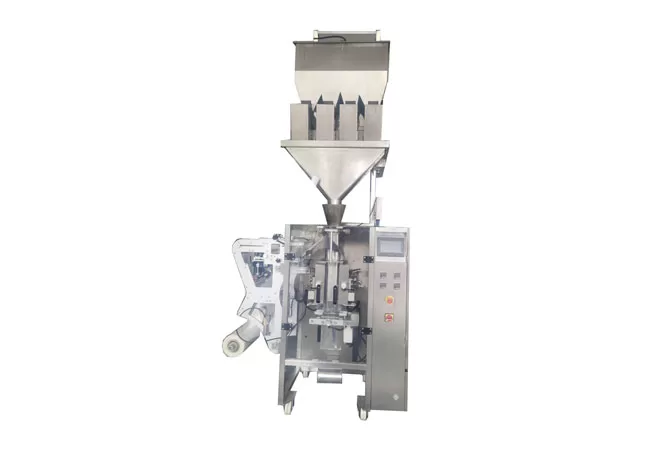
The Essential Guide to Weight Packing Machines for Precision Weighing
12-03-2026 -
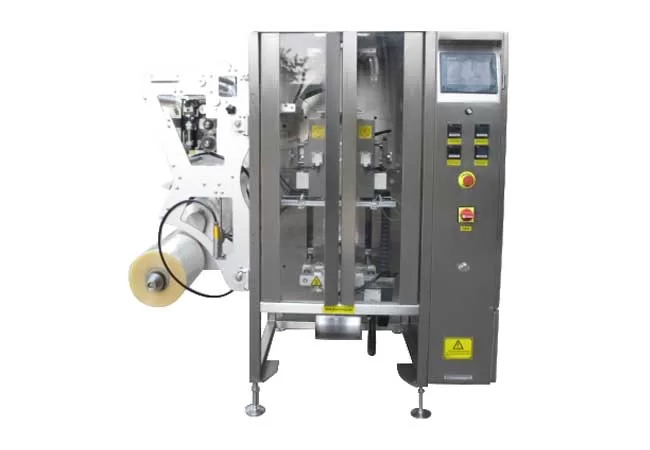
Power Packing Machine: The Ultimate Guide to Heavy-Duty Packaging Efficiency
11-03-2026 -
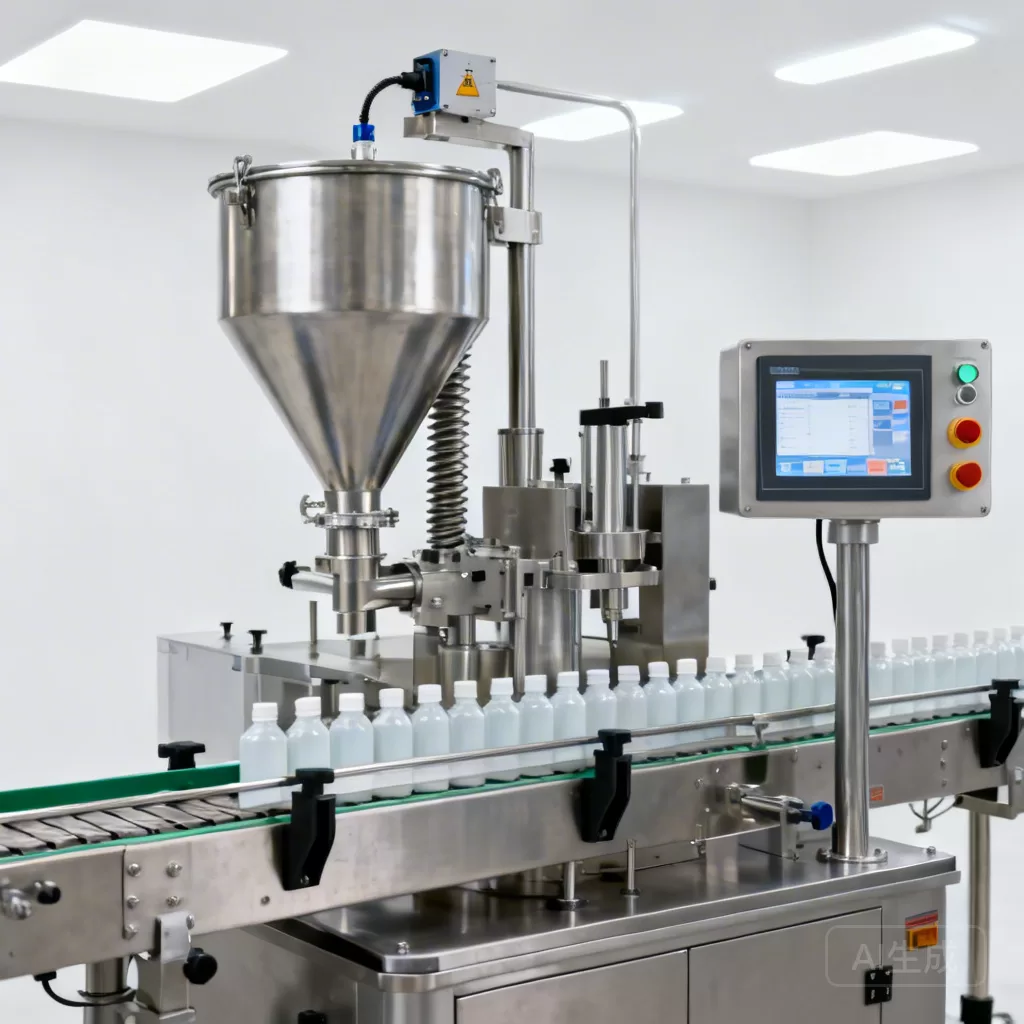
Weigher Packing Machine: The Definitive Guide to Precision Weighing & Packaging
10-03-2026 -
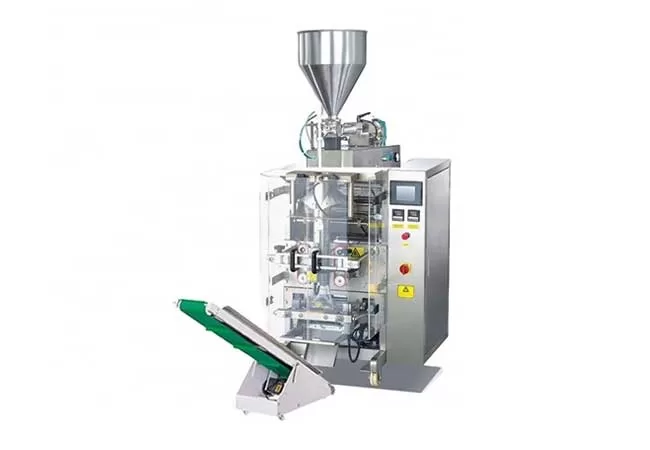
Auger Type Powder Filling Machine: The Ultimate Guide to Precision Packaging
09-03-2026 -
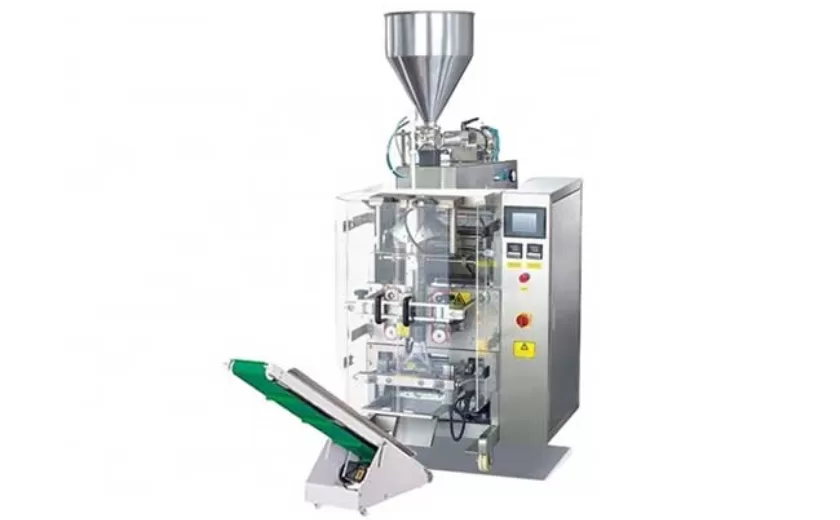
Advanced Packing Solutions: Snacks, Sugar, and Frozen Food Machines
29-10-2025 -
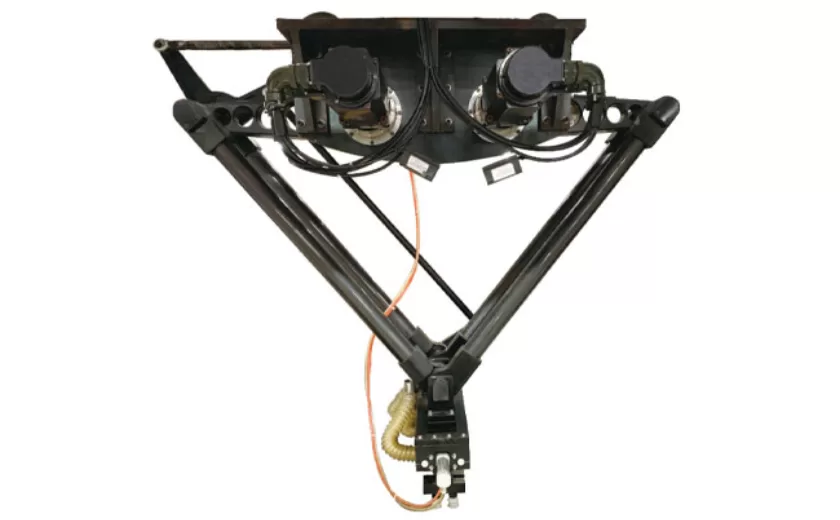
Efficient and Reliable Solutions for Salt, Nuts, and Frozen Dumplings Packing
29-10-2025 -
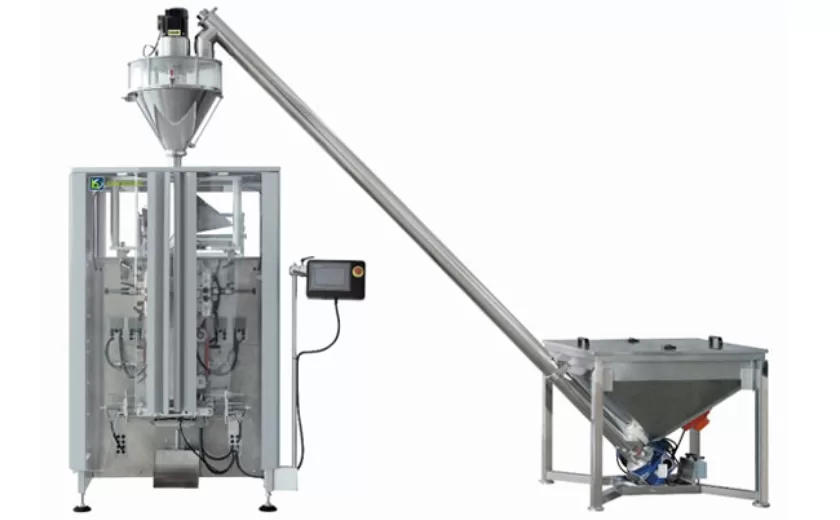
High-Performance Biscuits, Lollipop, and Ketchup Packing Machines for Modern Food Production
29-10-2025 -
Efficient Liquid Filling and Packing Machines for Modern Production
23-10-2025 -
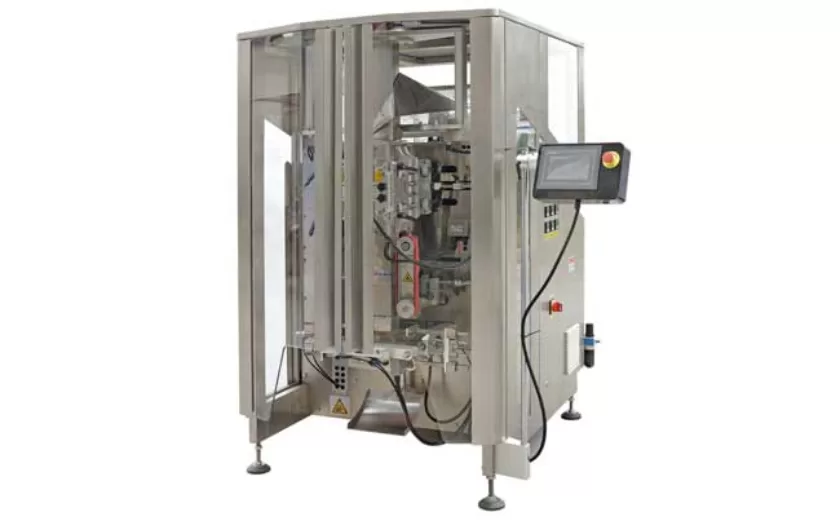
Reliable Granule Packaging Machines for Efficient Production
23-10-2025
