
Conserving Energy in Yarn Dyeing Machines: A Look into Full Automatic Solutions
Conserving Energy in Yarn Dyeing Machines: A Look into Full Automatic Solutions
Yarn dyeing is a crucial process in the textile industry, but it’s often associated with high energy consumption. In recent years, the focus has shifted towards developing full automatic yarn dyeing machines that not only streamline the dyeing process but also significantly reduce energy usage.
Traditional yarn dyeing methods are known for their high water and energy consumption, making them unsustainable in today’s eco-conscious world. This is where full automatic yarn dyeing machines come in, offering a more environmentally friendly and cost-effective solution.
The Benefits of Full Automatic Yarn Dyeing Machines
One of the key advantages of full automatic yarn dyeing machines is their energy efficiency. By automating the dyeing process, these machines can optimize energy usage, leading to significant cost savings for textile manufacturers. Additionally, the precise control offered by automatic systems ensures consistent dyeing results while minimizing waste.
Moreover, full automatic yarn dyeing machines are equipped with advanced features such as real-time monitoring and remote access. This not only improves operational efficiency but also allows manufacturers to track energy usage and make data-driven decisions to further optimize their processes.
Case Study: The Impact of Full Automatic Yarn Dyeing Machines
Let’s consider a case study of a textile mill that upgraded from traditional dyeing methods to full automatic yarn dyeing machines. The results were remarkable – the mill experienced a 30% reduction in energy consumption and a 20% increase in production output. This not only saved costs but also enhanced the overall sustainability of their operations.
Challenges and Future Outlook
While full automatic yarn dyeing machines offer numerous benefits, there are still challenges to overcome. Initial investment costs can be high, deterring some manufacturers from transitioning to automatic systems. However, the long-term savings and environmental benefits outweigh the upfront expenses.
Looking ahead, the future of yarn dyeing machines lies in continuous innovation. By integrating smart technology, machine learning algorithms, and IoT connectivity, manufacturers can further enhance energy efficiency and sustainability in yarn dyeing processes.
Conclusion
Full automatic yarn dyeing machines represent a significant step towards conserving energy in the textile industry. By embracing automation and smart technology, manufacturers can not only reduce their environmental footprint but also improve operational efficiency and profitability. As the industry continues to evolve, the widespread adoption of full automatic solutions will play a pivotal role in creating a more sustainable and energy-efficient future for textile manufacturing.


-
VFFS Equipment: The Ultimate Guide to Vertical Form Fill Seal Technology
13-03-2026 -
The Essential Guide to Weight Packing Machines for Precision Weighing
12-03-2026 -
Power Packing Machine: The Ultimate Guide to Heavy-Duty Packaging Efficiency
11-03-2026 -
Weigher Packing Machine: The Definitive Guide to Precision Weighing & Packaging
10-03-2026 -
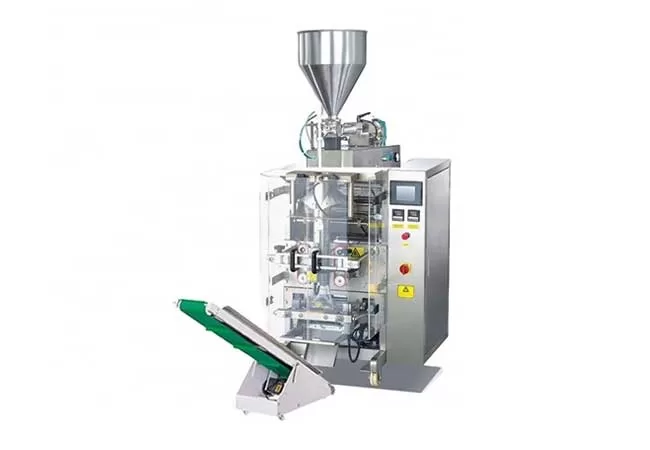
Auger Type Powder Filling Machine: The Ultimate Guide to Precision Packaging
09-03-2026 -
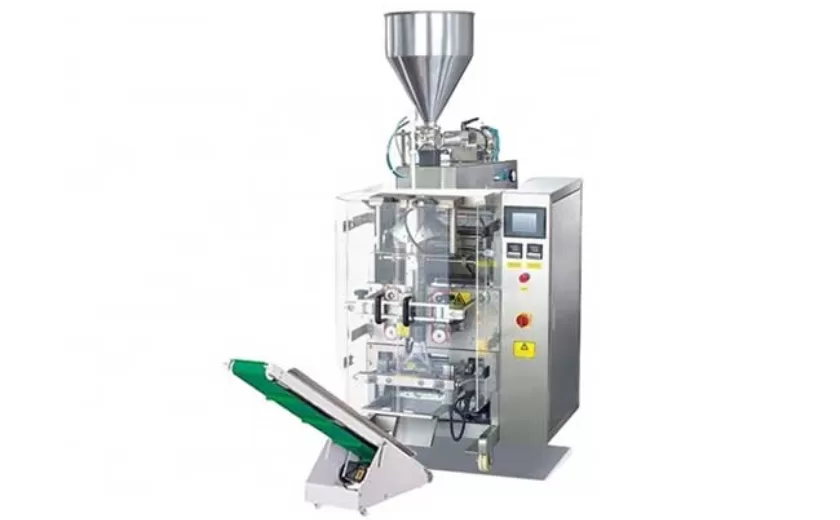
Advanced Packing Solutions: Snacks, Sugar, and Frozen Food Machines
29-10-2025 -
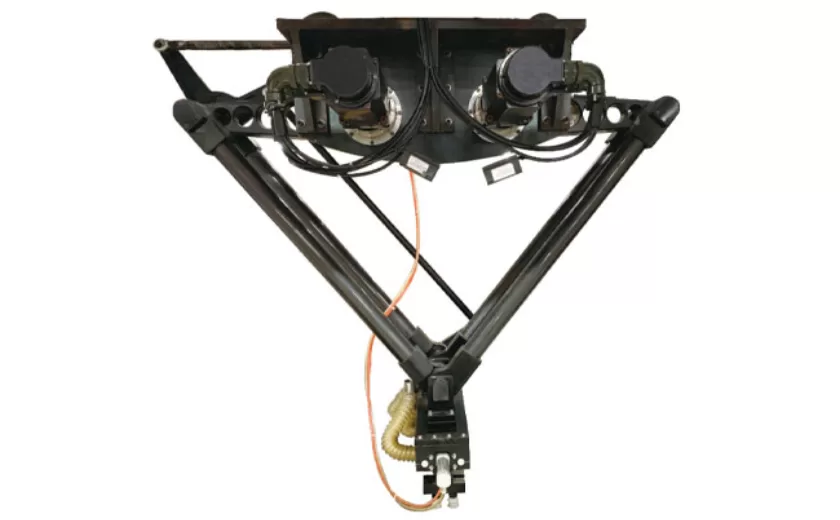
Efficient and Reliable Solutions for Salt, Nuts, and Frozen Dumplings Packing
29-10-2025 -
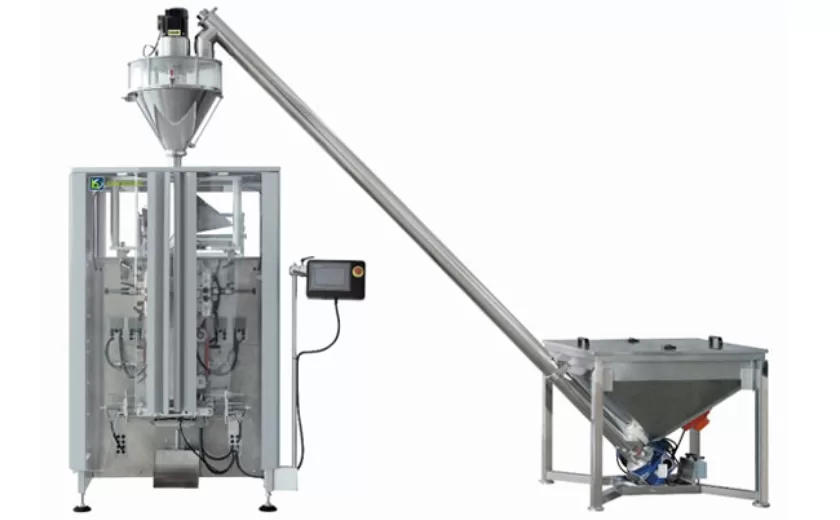
High-Performance Biscuits, Lollipop, and Ketchup Packing Machines for Modern Food Production
29-10-2025 -
Efficient Liquid Filling and Packing Machines for Modern Production
23-10-2025 -
Reliable Granule Packaging Machines for Efficient Production
23-10-2025
