
Innovations in Tomato Paste Packaging Technology- What鈥檚 New?
Innovations in Tomato Paste Packaging Technology: What’s New?
Tomato paste, a versatile condiment commonly used in various cuisines around the world, is highly susceptible to spoilage and deterioration due to its high moisture content. As a result, advanced packaging technologies play a pivotal role in preserving the quality and freshness of tomato paste. This article provides an overview of recent innovations in tomato paste packaging technology, exploring the latest trends and advancements in this field.
Sustainable and Eco-Friendly Packaging
Driven by the growing consumer demand for eco-conscious products, the tomato paste industry is shifting towards sustainable packaging solutions. Paper-based materials, biodegradable plastics, and plant-based films are gaining traction as alternatives to traditional plastic packaging. These materials offer comparable protection while minimizing environmental impact and reducing waste. Additionally, recyclable and reusable designs, such as squeezable pouches and glass jars, are becoming popular.
Aseptic Packaging
Aseptic packaging involves sterilizing the tomato paste and packaging it in a sterile environment to eliminate microbial contamination. It extends the shelf life of tomato paste significantly, reducing the need for preservatives. This technique is particularly advantageous for bulk packaging of tomato paste intended for industrial applications or long-term storage. Aseptic packaging systems often utilize multilayer films or coated paperboard containers to maintain sterility and protect the product from external factors.
Modified Atmosphere Packaging (MAP)
MAP is a technique that modifies the gas composition within the packaging atmosphere to slow down the deterioration process. By controlling the levels of oxygen, carbon dioxide, and nitrogen, MAP creates an environment that inhibits microbial growth and preserves the color, flavor, and nutritional value of tomato paste. The use of semi-permeable films allows for the exchange of gases while maintaining a controlled atmosphere. MAP has proven to be an effective method of extending the shelf life of tomato paste without compromising its quality.
Active Packaging
Active packaging incorporates additional components or functionalities into the packaging material to enhance product preservation. For tomato paste packaging, this includes the use of antimicrobial films that release antimicrobial agents to inhibit microbial growth. Active packaging can also involve the incorporation of oxygen absorbers to reduce oxygen levels within the package, slowing down oxidative spoilage. These advancements contribute to the extended shelf life of tomato paste while maintaining its safety and nutritional integrity.
Smart Packaging
Smart packaging integrates sensors or indicators into the packaging that provide real-time information about the product’s condition. Time-temperature indicators, for example, can monitor the temperature exposure of tomato paste during storage and transportation, ensuring proper handling and preventing spoilage. Smart packaging also allows for remote monitoring and tracking of product quality, enabling efficient inventory management and waste reduction throughout the supply chain.
Innovations in tomato paste packaging technology are continuously evolving, driven by the need for improved product quality, extended shelf life, and sustainable solutions. The adoption of sustainable materials, aseptic packaging, modified atmosphere packaging, active packaging, and smart packaging technologies is revolutionizing the preservation and distribution of tomato paste. These advancements enhance the shelf life of the product, reduce waste, and ensure the delivery of high-quality tomato paste to consumers around the world.


-
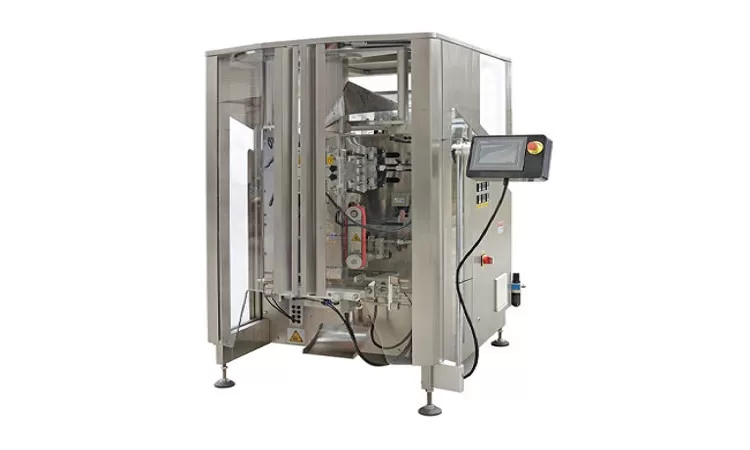
VFFS Equipment: The Ultimate Guide to Vertical Form Fill Seal Technology
13-03-2026 -
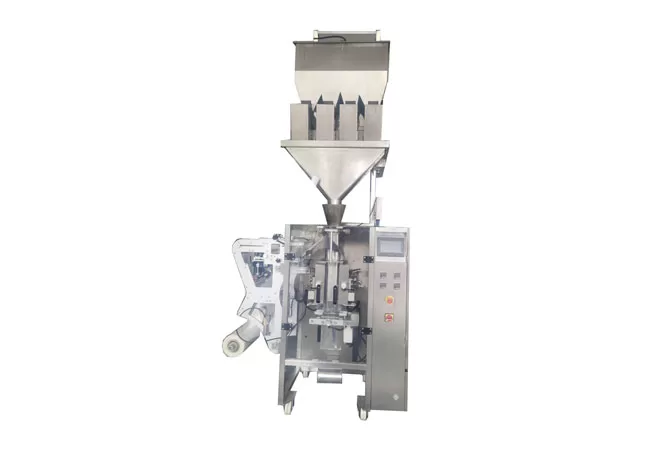
The Essential Guide to Weight Packing Machines for Precision Weighing
12-03-2026 -
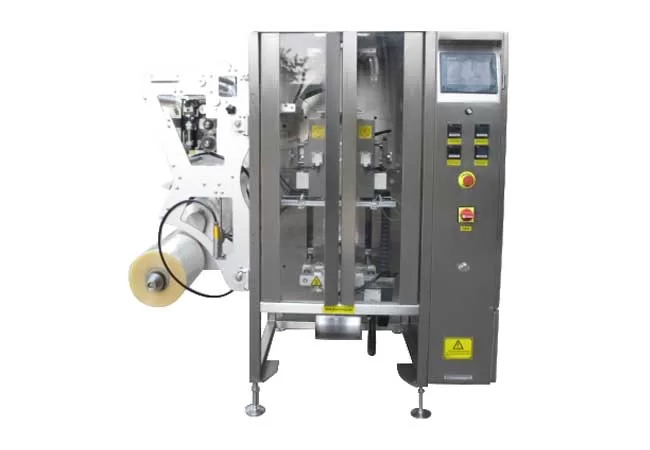
Power Packing Machine: The Ultimate Guide to Heavy-Duty Packaging Efficiency
11-03-2026 -
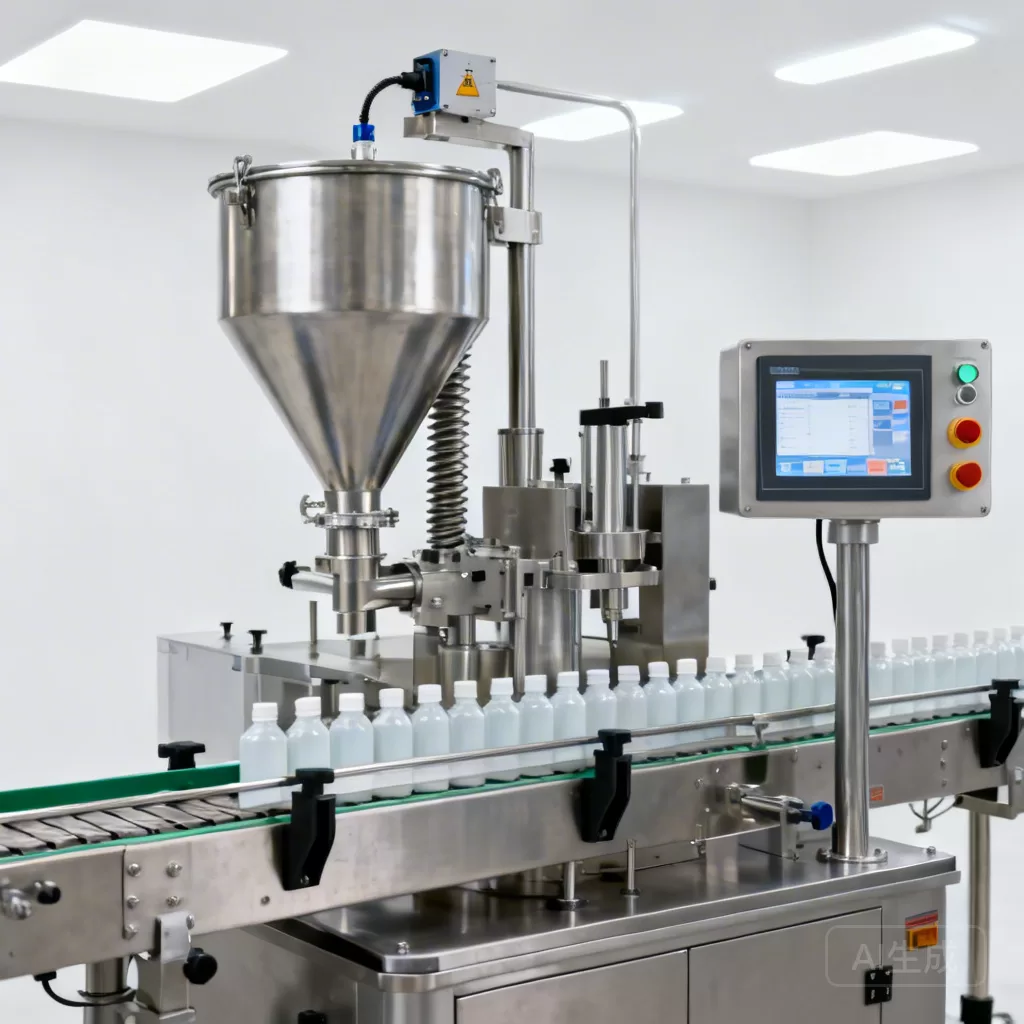
Weigher Packing Machine: The Definitive Guide to Precision Weighing & Packaging
10-03-2026 -
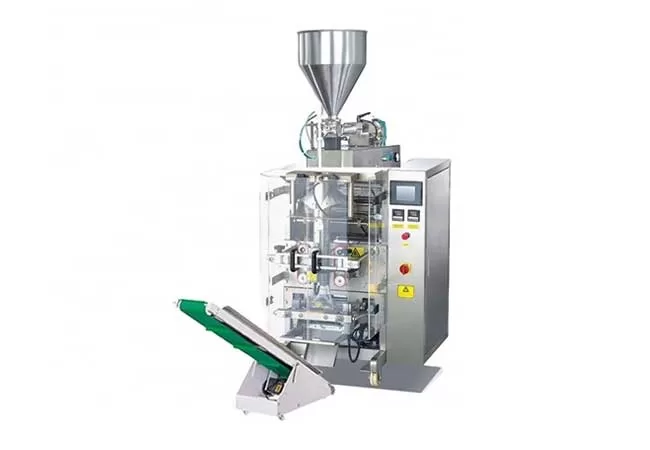
Auger Type Powder Filling Machine: The Ultimate Guide to Precision Packaging
09-03-2026 -
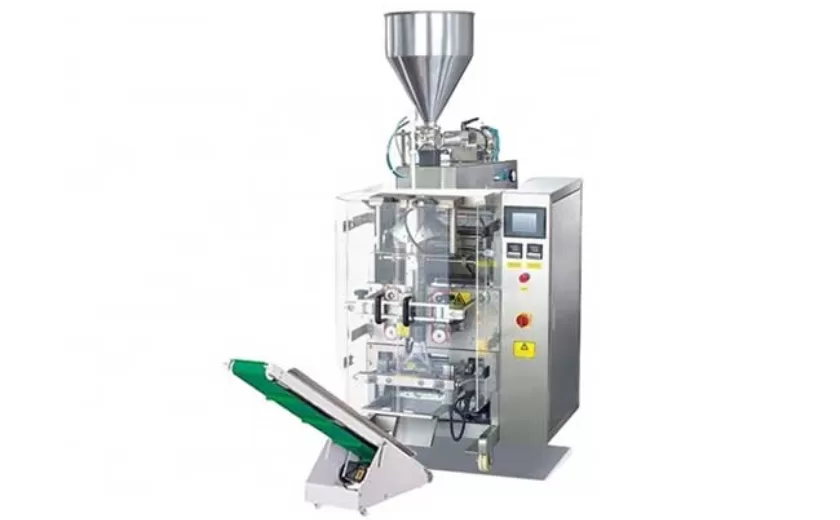
Advanced Packing Solutions: Snacks, Sugar, and Frozen Food Machines
29-10-2025 -
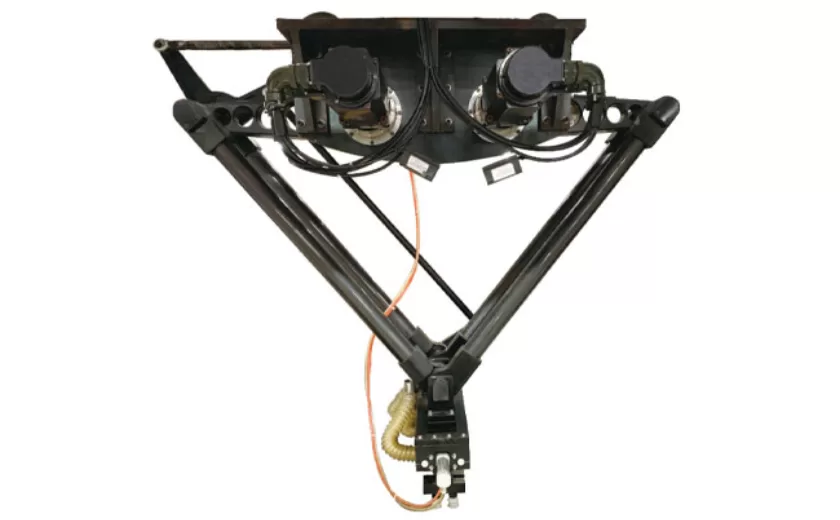
Efficient and Reliable Solutions for Salt, Nuts, and Frozen Dumplings Packing
29-10-2025 -
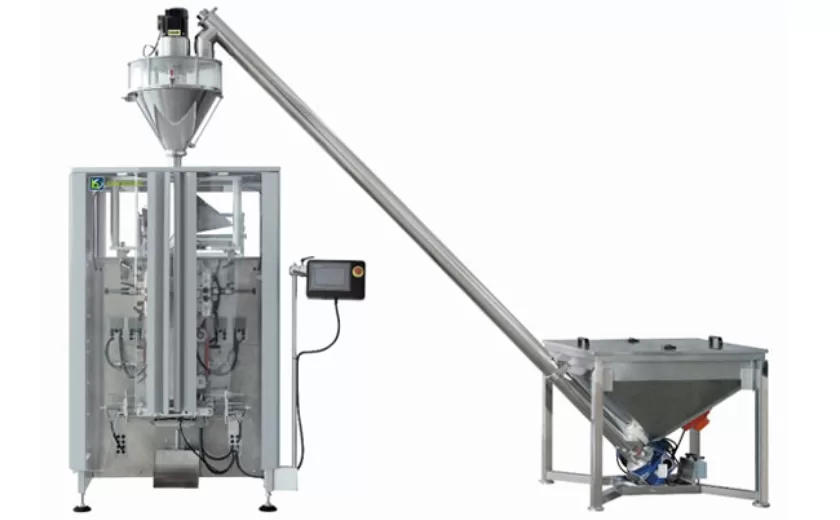
High-Performance Biscuits, Lollipop, and Ketchup Packing Machines for Modern Food Production
29-10-2025 -
Efficient Liquid Filling and Packing Machines for Modern Production
23-10-2025 -
Reliable Granule Packaging Machines for Efficient Production
23-10-2025
